All Activity
- Past hour
-
That is the correct one. Then I do not know anymore why yours does not work with recent Armbian images/installation.
-
 Technically CMA is not needed at all for the VOP. Rockchip VOP has its own MMU, it is not like raspberry pi or amlogic devices. It should not require to reserve and map memory by the kernel for the VOP as long as the MMU is enabled in the device tree and it is working correctly.
 - Today
-
Good evening. The BPI M1+ is powered via the side micro USB port. (next to the 5V SATA connector)
-
Which microUSB connector of the bananapi do you use for powering the bananapi itsef?
-
Hi, I wanted to report an issue with the currently available Armbian images for the PocketBeagle 2 (all of them from what I can tell), that stops them from booting up. I attempted to go through the bug reporting form, but it seems to only point you to the forum, so here I am. I couldn't find a location to post about the PocketBeagle 2 board specifically, so I am putting this under the Beagle Y board (they have the same maintainer listed). Please move this to the right place (or maybe create it if it doesn't exist?) or tell me how I should do this myself. The issue is in the file "/boot/extlinux/extlinux.conf", where a ".dts" file is being referenced from the directory "/boot/dtb/ti/", which contains only ".dtb" files. U-Boot fails to find the device tree file and fails to boot. Changing the file extension of the device tree in "extlinux.conf" to ".dtb" fixes the boot up issue and everything else seems to be working fine. If this is not the right place to be reporting this issue, please direct me to the correct place, so this can be brought to the attention of the appropriate maintainer. It should be a quick fix, but the images currently available to download are likely unusable for inexperienced users. Many Thanks, Paul
-
Hello, the SSD connected to the SATA port on the BPT M1+ works under Ubuntu 16.04 with an adapter and no external power supply. However, to rule out that as the cause, I powered the SSD externally, and it's still not recognized. So far, I've only found the Ubuntu 16.04 image that supports the SATA interface on the BPT M1+.
-

[Latest] Armbian Build HDMI Audio support Fix
Poka26ev2 replied to just_facking_about's topic in Radxa Dragon Q6A
Thank you a lot, my Dragon Q6A now has audio -
Hey just checking in. I haven't forgotten about this yet, I want to make sure everything is repeatable and possible to do on multiple versions of armbian before I write a guide and confuse a lot of people. Noticing that mpv doesn't work, I tried to do what jock suggested to Harleyyyu and update to a newer kernel version. So far... no luck. Seems like the problem boils down to having to write u-boot.bin to the eMCP before burning the actual OS onto it. I'll write again if anything goes.
-
If this is AW869A chip then it uses the AIC 8800 Linux Driver. My X98H TV box has a AIC8800 chip in it. https://linux-sunxi.org/Wifi#AW869A AW869A The AW869A is a highly integrated module with Dual band WiFi6 combination solution to support 1 × 1 IEEE 802.11b/g/n/ac/ax WLAN standards It uses the aic8800 firmware. A driver can be found at AIC 8800 Linux Driver. You'll need to compare the GPIO settings. Your Android dts uses HEX the mainline kernel is using DEC. https://www.rapidtables.com/convert/number/hex-to-decimal.html?x=12 rfkill { compatible = "allwinner,sunxi-rfkill"; status = "okay"; chip_en; power_en; pinctrl-0 = <0x63>; pinctrl-names = "default"; phandle = <0xcc>; wlan { compatible = "allwinner,sunxi-wlan"; clocks = <0x0e 0x04>; clock-names = "osc32k-out"; wlan_busnum = <0x01>; wlan_power; wlan_regon = <0x23 0x06 0x12 0x00>; wlan_hostwake = <0x23 0x06 0x0f 0x00>; wakeup-source; phandle = <0xcd>; }; bt { compatible = "allwinner,sunxi-bt"; clocks = <0x0e 0x04>; clock-names = "osc32k-out"; bt_power; bt_rst_n = <0x23 0x06 0x13 0x01>; phandle = <0xce>; }; }; btlpm { compatible = "allwinner,sunxi-btlpm"; status = "okay"; uart_index = <0x01>; bt_wake = <0x23 0x06 0x11 0x00>; bt_hostwake = <0x23 0x06 0x10 0x01>; wakeup-source; phandle = <0xd0>; }; Mainline dts: https://github.com/NickAlilovic/build/blob/666dc0fabd8a284ccf50d784f6bd0bf948dd073d/patch/kernel/archive/warpme-6.12/2001-arm64-dts-allwinner-h618-add-x98h.patch#L87-L95 https://github.com/NickAlilovic/build/blob/666dc0fabd8a284ccf50d784f6bd0bf948dd073d/patch/kernel/archive/warpme-6.12/2001-arm64-dts-allwinner-h618-add-x98h.patch#L182-L200 https://github.com/NickAlilovic/build/blob/666dc0fabd8a284ccf50d784f6bd0bf948dd073d/patch/kernel/archive/warpme-6.12/2001-arm64-dts-allwinner-h618-add-x98h.patch#L278-L297 The specific values <0x23 0x06 0x12 0x00> generally map to: 0x23: The controller or bank ID: pinctrl@300b000 { phandle = <0x23>; 0x06: The specific GPIO pin number: In Allwinner's pinctrl driver, banks are 32 pins wide. The formula is: (Bank_Letter_Index * 32) + Pin_Number 1. The Bank Index Map Bank Index PA 0 PB 1 PC 2 PD 3 PE 4 PF 5 PG 6 PH 7 PI 8 0x12: The active-high/low flags or drive strength. In the 3-cell GPIO format used by Allwinner (sunxi), the third cell (e.g., 0x12) is a bitmask that defines the electrical properties of the pin. To decode 0x12 (which is binary 0001 0010), you break it down into bits: 1. Bitmask Breakdown for 0x12 Bit 0 (0x01): Active Polarity. 0 = Active High. 1 = Active Low (Our bit 0 is 0, so this is Active High). Bit 1 (0x02): Open Drain / Open Source. 0 = Push-Pull. 1 = Single-ended/Open-Drain (Our bit 1 is 1, so this is Open-Drain). Bit 4 (0x10): Internal Pull-up. 0 = No pull-up. 1 = Pull-up Enabled (Our bit 4 is 1, so this is Pull-up Enabled). Summary of 0x12: This pin is configured as Active High, with an Open-Drain output and an internal Pull-up resistor enabled. 0x00: Reserved or additional configuration. In Allwinner-based systems (like the H6 or H616), this value is defined in the GPIO controller's device tree binding documentation within the Linux kernel source code. The structure is documented in the kernel under Documentation/devicetree/bindings/pinctrl/allwinner,sun4i-a10-pinctrl.yaml
-
 @jock I figured out why the cursor doesn't show and it's not an armbian issue, the issue is more on how i implemented ffmpeg (previously Kmssink) on openauto and also the same reason why i can't use eglfs for the gui is that i had set ffmpeg to use plane 31 (primary plane, zpos 0) when streaming Android Auto. Since I am forcing the video stream directly onto the Primary Plane (Plane 31) via DRM, the hardware VOP (Video Output Processor) stops scanning out the Linux Framebuffer (/dev/fb0). This means that while Qt is still technically "running" and drawing the mouse cursor to the framebuffer in software, that buffer is simply never sent to the screen. The video stream completely overrides the UI layer. I did manage to fix it tho, since the RK322x SOCs support Tri-Plane, I had to patch ffmpeg to utilize the Cursor Plane (plane 41). Now when AA starts ffmpeg initializes the video on the Primary plane as usual, but simultaneously commits the ARGB cursor buffer to Plane 41 using the shared DRM file descriptor. This allows the VOP to hardware-composite the mouse cursor directly on top of the video stream, finally making it visible without breaking the zero-copy pipeline. As per CMA=256M, ffmpeg was throwing buffer allocation warnings. Interestingly, these warnings persist even with CMA set to 256MB—so the larger CMA didn't actually silence the logs as I initially thought. ffmpeg benchmarks actually run successfully on both 16MB and 256MB despite the warnings. However, I decided to keep the requirement at 256MB purely as a precaution. Given that a 1080p NV12 pipeline with multiple buffers can eat up memory quickly, leaving it at the default 16MB felt risky for long-term stability in a car environment, even if it 'technically' runs. PS: i haven't posted the build with the cursor patch
 -

[Bug]: Ethernet rarely connecting successfully in Orange Pi 3 LTS
c0rnelius replied to iMagz's topic in Allwinner sunxi
https://github.com/armbian/build/pull/9323 -
Well that was fun. Termux wouldn't load so I found an older version from 2022 thinking that version is older than the box so has a higher chance of working. That also wouldn't open until I went a bit silly and attempted to open it multiple times. Just like Mustafa in Austin Powers, once I attempted to load it 3 times in a row it would show up. Bizarre but I now have a dump of Device.DTB How do I view it properly? I opened it in notepad++ and most of it is gibberish but I can make out a few details that are a bit surprising. Namely - allwinner,h616 arm,sun50iw9p1 The label on this thing says H618 but it appears to be a H616. Where do I go to from here? Edit: I have attached the dtb file and two dumps of the file. One using fdtdump and the other using dtc. It seems the btlpm section has the same values of a device Nick referenced on page 4 of this thread. I don't know if that means anything.... Edit2: I tried "Armbian-unofficial_25.05.0-trunk_Transpeed-8k618-t_bookworm_edge_6.12.11_xfce_desktop.img" this boots ok, ethernet works but again, no wifi/bluetooth. I'm a little surprised every image I've tried so far has mostly worked. I guess these vendors just throw together whatever parts they can get cheap but the core of the units is the same. Thanks. dtsdump.txt fdtdump.txt device.dtb
-
Nice, congratulations! I wonder why cursor does not show when video is playing by the way: there has always been a patch in the armbian code to support hardware cursor, in fact in X11/Wayland the cursor is handled in hardware and it is perfectly visible and usable when a hardware accelerated video is playing. Also I wonder why you need CMA=256M; normally rk322x VPU has its own MMU that is capable to handle direct to memory access without the need of CMA.
-
@robertoj the problem is not ffmpeg, which already is works totally fine on debian Trixie (and backwards), the problem is within mpv that changed in v0.4.0 carried by debian Trixie, and at the moment I don't have enough motivation to carry on a custom mpv package for Debian Trixie. You may try with debian forky by the way, but it is a moving target as long as it is still in development.
-
I didn't mention earlier but after I ran the update/upgrade commands I also manually updated the locale file. During the original setup I accidentally selected the wrong locale, I went into armbian config, deselected the wrong one and selected the correct one but the incorrect locale was still being referenced constantly. So I manually removed it from etc/default/locale. I thought this may have been a reason for it no longer booting and not the update/upgrade commands. I'm just explaining that so you understand why I also tried update/upgrade with the x98h image. Turns out it wasn't me messing with the locale that stopped it booting as this image also will not boot now after apt-get update, apt-get upgrade. This image originally booted ok and it seems the ethernet works better. Downloading from the commands listed above took about 20 seconds vs 30 minutes on the vontar image. But wifi/bluetooth still will not work. One other difference is when I select the bluetooth manager app it actually loaded whereas the vontar image would state something about a service not running. The app loaded but had no devices listed. I'll see how I go with termux. The play store doesn't work on it but I was able to sideload a couple of apps.
-

CSC Armbian for RK3318/RK3328 TV box boards
SanchopansA replied to jock's topic in Rockchip CPU Boxes
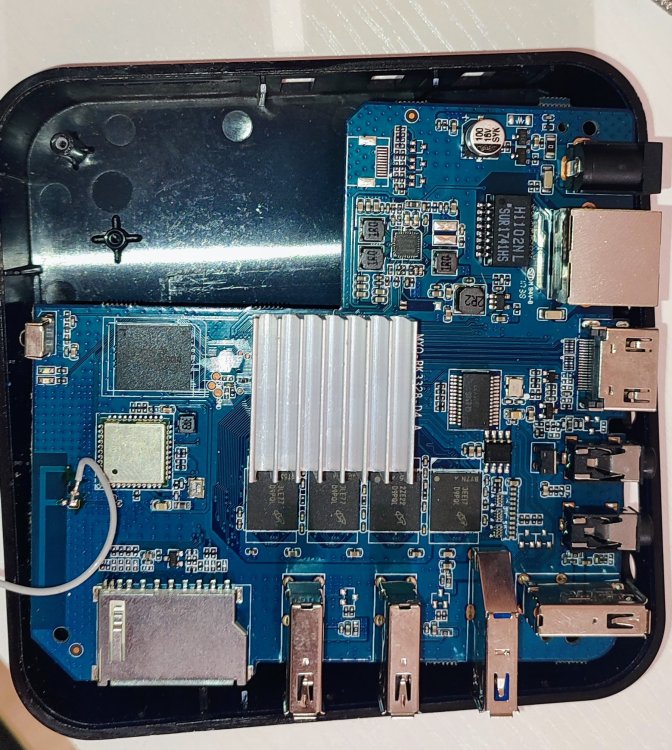
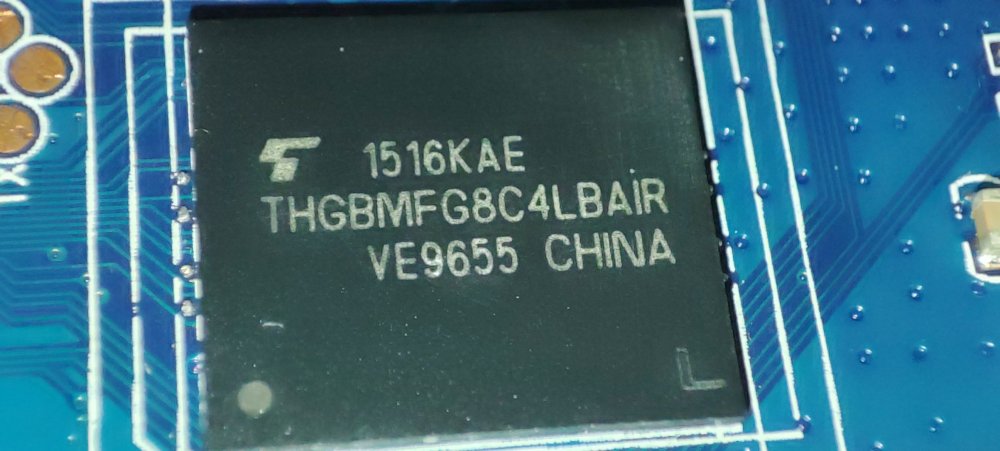
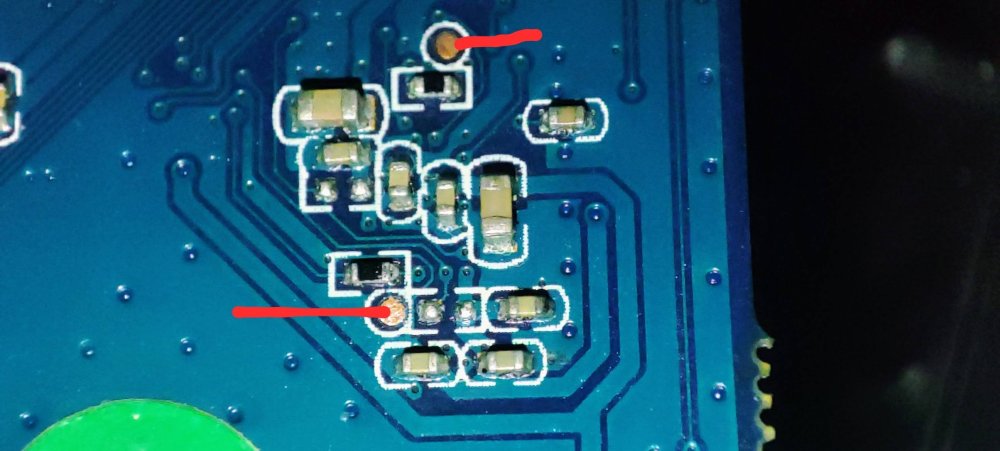
@jock Thank you for your reply. Unfortunately, I can't do it I tried to short it, but it doesn't load from the SD card. I shorted it with a piece of wire. When I do it with USB connected, I see the device is in Maskrom. Here the console output from rkdeveloptool using: root@lensky-lp:~# lsusb Bus 001 Device 001: ID 1d6b:0002 Linux Foundation 2.0 root hub Bus 001 Device 004: ID 10c4:8105 Silicon Labs USB OPTICAL MOUSE Bus 001 Device 005: ID 04ca:707f Lite-On Technology Corp. HP Wide Vision HD Camera Bus 001 Device 006: ID 0bda:b00b Realtek Semiconductor Corp. Realtek Bluetooth 4.2 Adapter Bus 001 Device 008: ID 1ea7:0066 SHARKOON Technologies GmbH [Mediatrack Edge Mini Keyboard] Bus 001 Device 009: ID 2207:320c Fuzhou Rockchip Electronics Company RK3328 in Mask ROM mode Bus 002 Device 001: ID 1d6b:0003 Linux Foundation 3.0 root hub root@lensky-lp:~# rkdeveloptool ld DevNo=1 Vid=0x2207,Pid=0x320c,LocationID=104 Maskrom root@lensky-lp:~# rkdeveloptool td Test Device failed! root@lensky-lp:~# rkdeveloptool ---------------------Tool Usage --------------------- Help: -h or --help Version: -v or --version ListDevice: ld DownloadBoot: db <Loader> UpgradeLoader: ul <Loader> ReadLBA: rl <BeginSec> <SectorLen> <File> WriteLBA: wl <BeginSec> <File> WriteLBA: wlx <PartitionName> <File> WriteGPT: gpt <gpt partition table> WriteParameter: prm <parameter> PrintPartition: ppt EraseFlash: ef TestDevice: td ResetDevice: rd [subcode] ChangeStorage: cs [storage: 1=EMMC, 2=SD, 9=SPINOR] ReadFlashID: rid ReadFlashInfo: rfi ReadChipInfo: rci ReadCapability: rcb PackBootLoader: pack UnpackBootLoader: unpack <boot loader> TagSPL: tagspl <tag> <U-Boot SPL> ------------------------------------------------------- root@lensky-lp:~# rkdeveloptool rid Reading flash ID failed! root@lensky-lp:~# rkdeveloptool cs 2 AMO: ERR_DEVICE_WRITE_FAILED Change Storage failed! root@lensky-lp:~# rkdeveloptool ppt Read GPT failed! Read parameter failed! Not found any partition table! root@lensky-lp:~# rkdeveloptool db /home/lensky/Downloads/For\ RK3328\ devices/RK3328MiniLoaderAll_V2.50.bin Downloading bootloader succeeded. root@lensky-lp:~# rkdeveloptool ppt **********Partition Info(parameter)********** NO LBA Name 00 00002000 uboot 01 00004000 trust 02 00008000 misc 03 0000A000 baseparamer 04 0000A800 resource 05 00012000 kernel 06 00022000 boot 07 00032000 recovery 08 00042000 backup 09 00062000 cache 10 000A2000 metadata 11 000AA000 kpanic 12 000AC000 system 13 003AC000 userdata As you see after boot it looks like the flash is empty. I can't ready any info and there no partitions. But after download bootloader command I see partiosions and can read flash info and chip info. After reboot all is disappear again. This is my board: This is my eMMC chip: I have found YouTube video how to short the clock pin for my board. On the opposite side, I need to short these pins: When I insert the SD card and boot the device, it just lights the red led and nothing more. Is something I do wrong?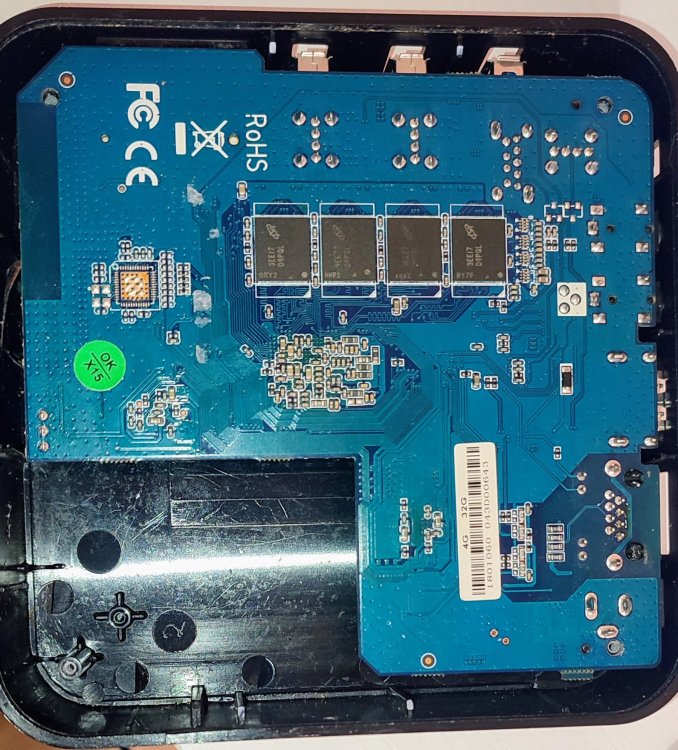
-
I tried apt-get update and apt-get upgrade thinking it might grab what it needs but that was a bad idea as it will not boot at all now. So I may as well start from scratch and try the x98h image. The wifi chip is the same but item 3 on mine is samsung and item 7 is an FD650 which is referenced on that page as a possible alternative. It might be worth noting the units digital clock display was blank using the vontar image, I expect that was due to the chip mismatch. I'll see how the x98h image goes, if that fails I'll look into termux. No wifi isn't the end of the world as I can find a use for it just using ethernet but wifi (and bluetooth) would be nice. Thanks.
-

Gaming experience with Orange Pi 5 (RK3588) on Armbian
KhanhDTP replied to KhanhDTP's topic in Orange Pi 5
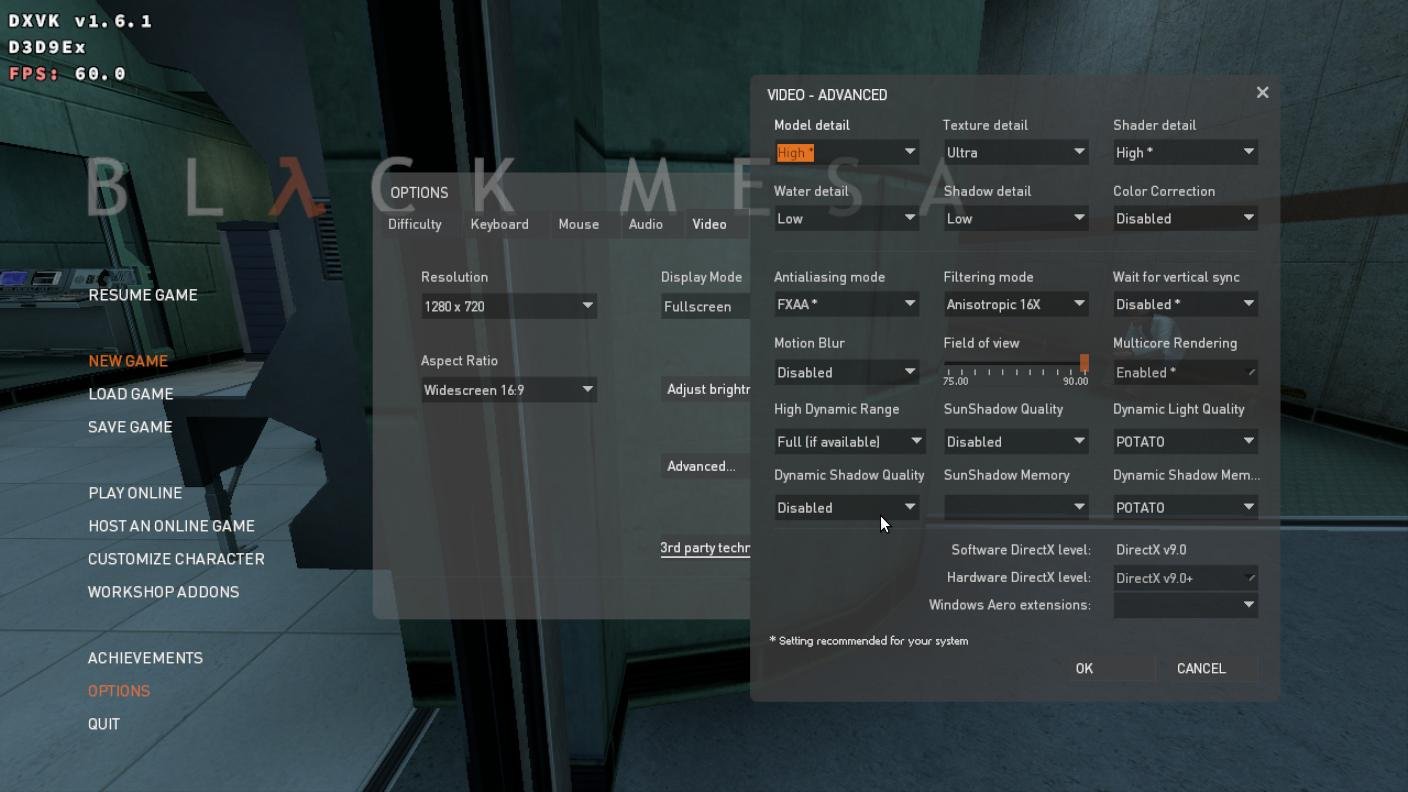
Armbian 25.11.2 Noble XFCE (BSP Kernel: 6.1.115) + PanVk - mesa 26.0 (https://launchpad.net/~ernstp/+archive/ubuntu/mesaaco) + Box64 arm64 v0.4.1 652da4fbc (https://ryanfortner.github.io/box64-debs/) + proton-10.0-3-amd64-wow64 (https://github.com/Kron4ek/Wine-Builds/releases/download/proton-10.0-3/wine-proton-10.0-3-amd64-wow64.tar.xz) + DXVK-stripped v1.6.1 30~60fps@720p (low settings, high texture, no AA) box64 environment variables: Black Mesa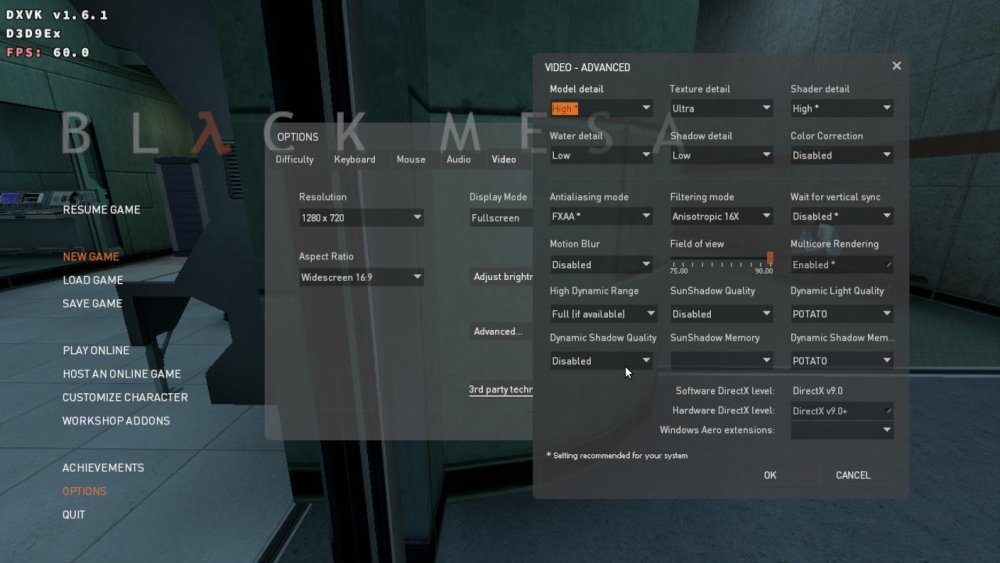
.thumb.jpg.5320f0ed7c0b1a851f264728ab382a01.jpg)
-
If you can get termux app to run in android, you may be able to dump the dtb, which may give you clues as to the compatability of the chip. I have issues with some tv boxes with termux versions, but there are older versions available if the current one in playstore won't load or just doesn't work. su -c 'dd if=/sys/firmware/fdt of=<USB_PATH>/device.dtb' or simply su -c 'cp /sys/firmware/fdt <USB_PATH>/device.dtb' [Change USB_PATH as required, of course] The path /sys/firmware/fdt is correct for accessing the in-memory DTB on most running Linux/Android systems. The link http://nskhuman.ru/allwinner/krugh618.php?np=3 refers to what looks like your box or similar: "The board contains a microcircuit with the designation HK5236F - this is a hybrid microcircuit, its possible analogue is AW869A manufactured by Allwinner. AW869A is a dual-band WiFi6, BT5.2 highly integrated module, supporting WLAN 1*1 IEEE 802.11a/b/g/n/ac/ax and BT 5.2 standard, can realize WLAN/BT, has low power consumption" The links after that text give more info....
-
diy image and you get it immediately
-
Looks like we are getting PCIe and USB 3.0 support soon. https://github.com/armbian/build/pull/9280
-
@BoringName I wonder if this wifi chip is a aic8800. Try booting the x98h image.
-
Gaming experience with Orange Pi 5 (RK3588) on Armbian
KhanhDTP replied to KhanhDTP's topic in Orange Pi 5
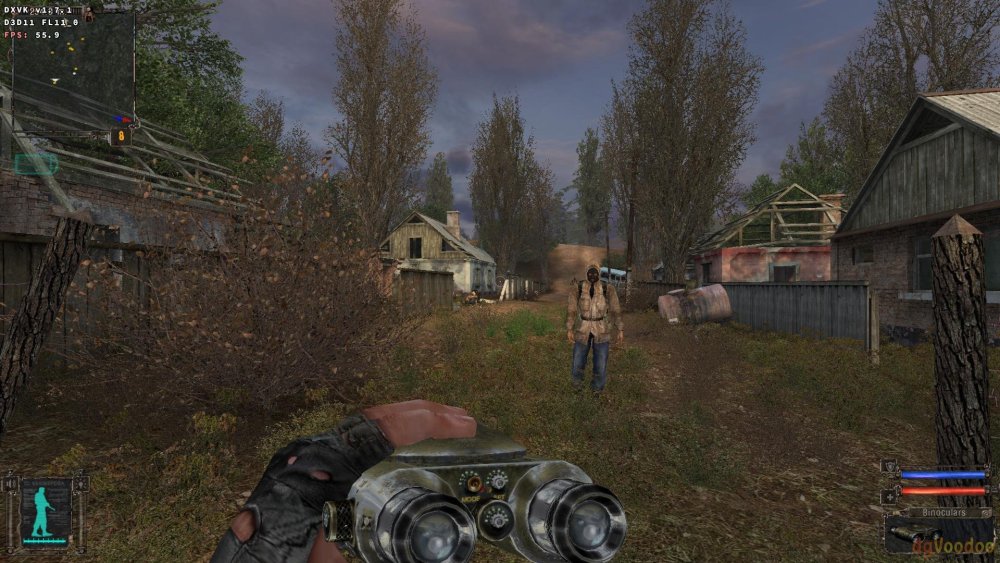
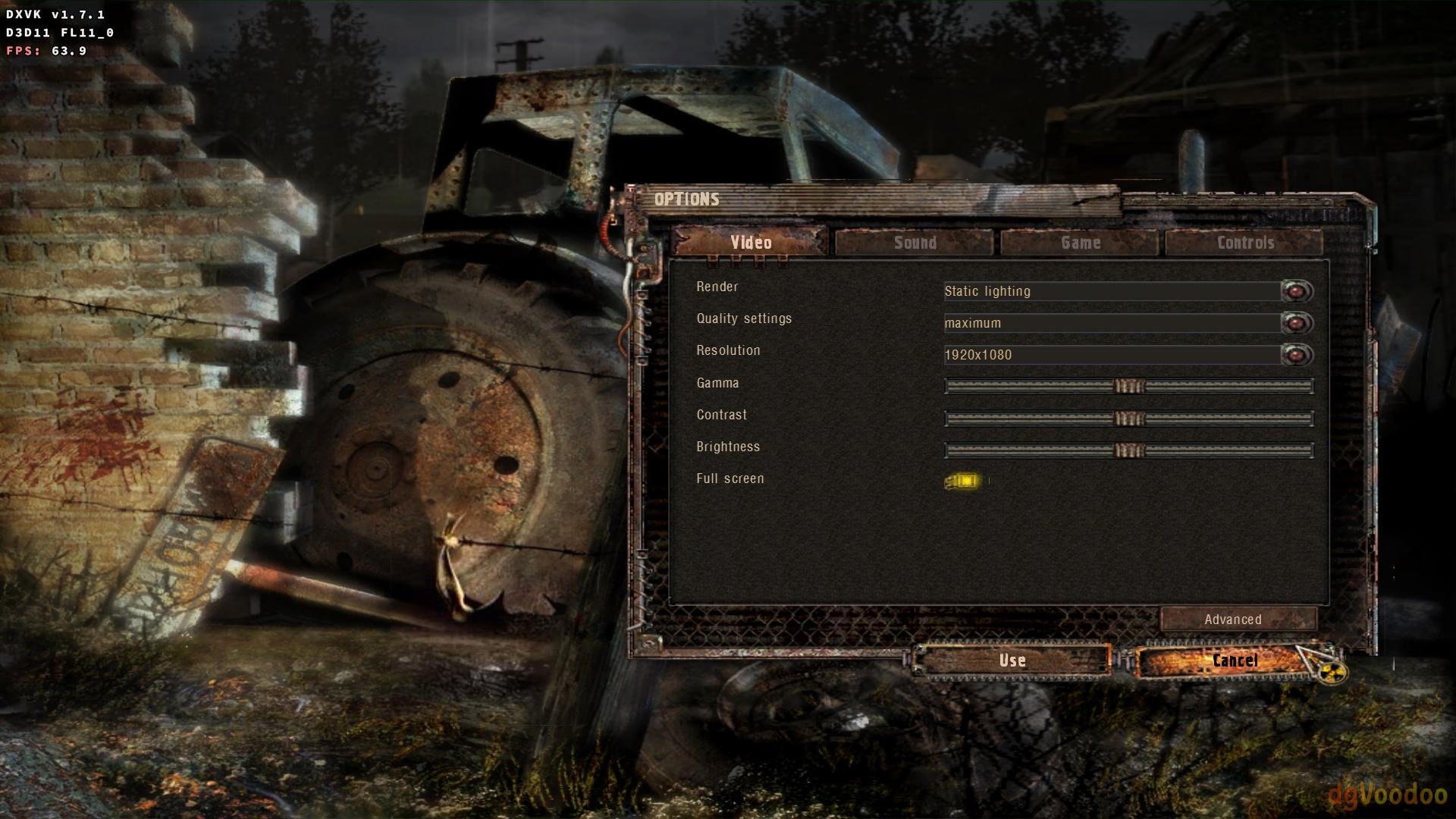
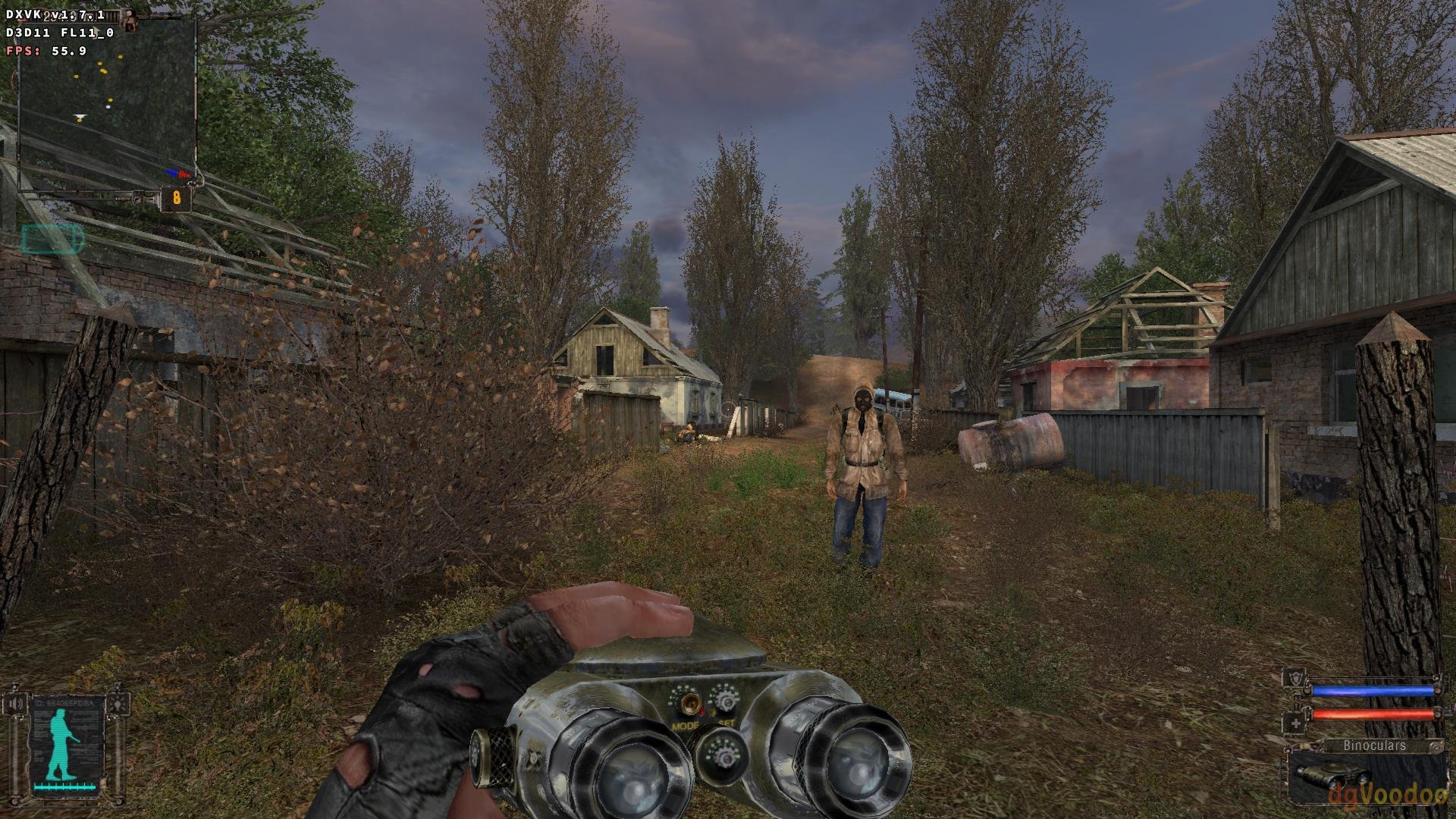
Armbian 25.11.2 Noble XFCE (BSP Kernel: 6.1.115) + PanVk - mesa 26.0 (https://launchpad.net/~ernstp/+archive/ubuntu/mesaaco) + Box64 arm64 v0.4.1 652da4fbc (https://ryanfortner.github.io/box64-debs/) + proton-10.0-3-amd64-wow64 (https://github.com/Kron4ek/Wine-Builds/releases/download/proton-10.0-3/wine-proton-10.0-3-amd64-wow64.tar.xz) + dgVoodoo2 (https://github.com/dege-diosg/dgVoodoo2/releases) + DXVK-stripped v1.7.1 ~60fps@1080p (max settings, static lightning, no AA) box64 environment variables: S.T.A.L.K.E.R. Shadow of Chernobyl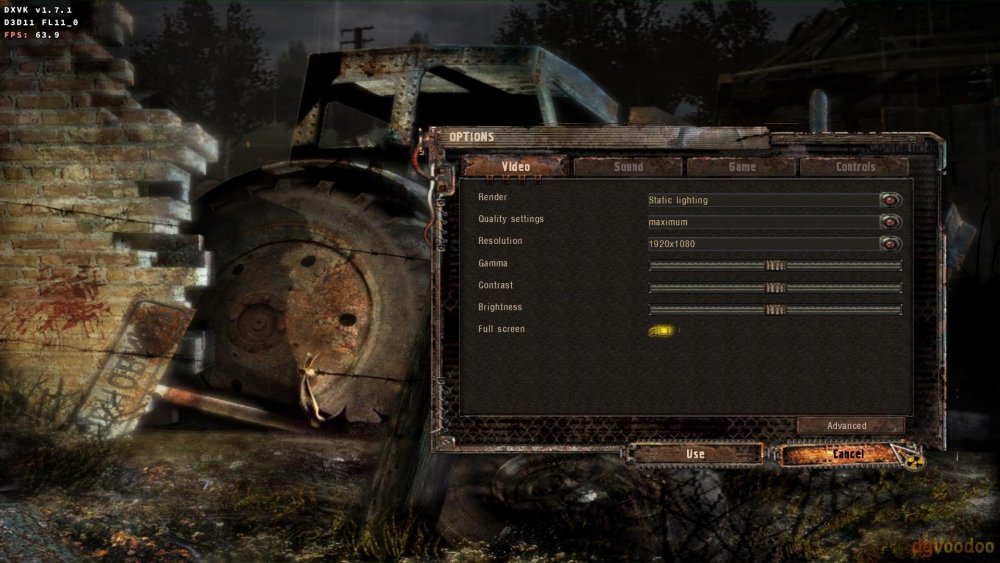
-
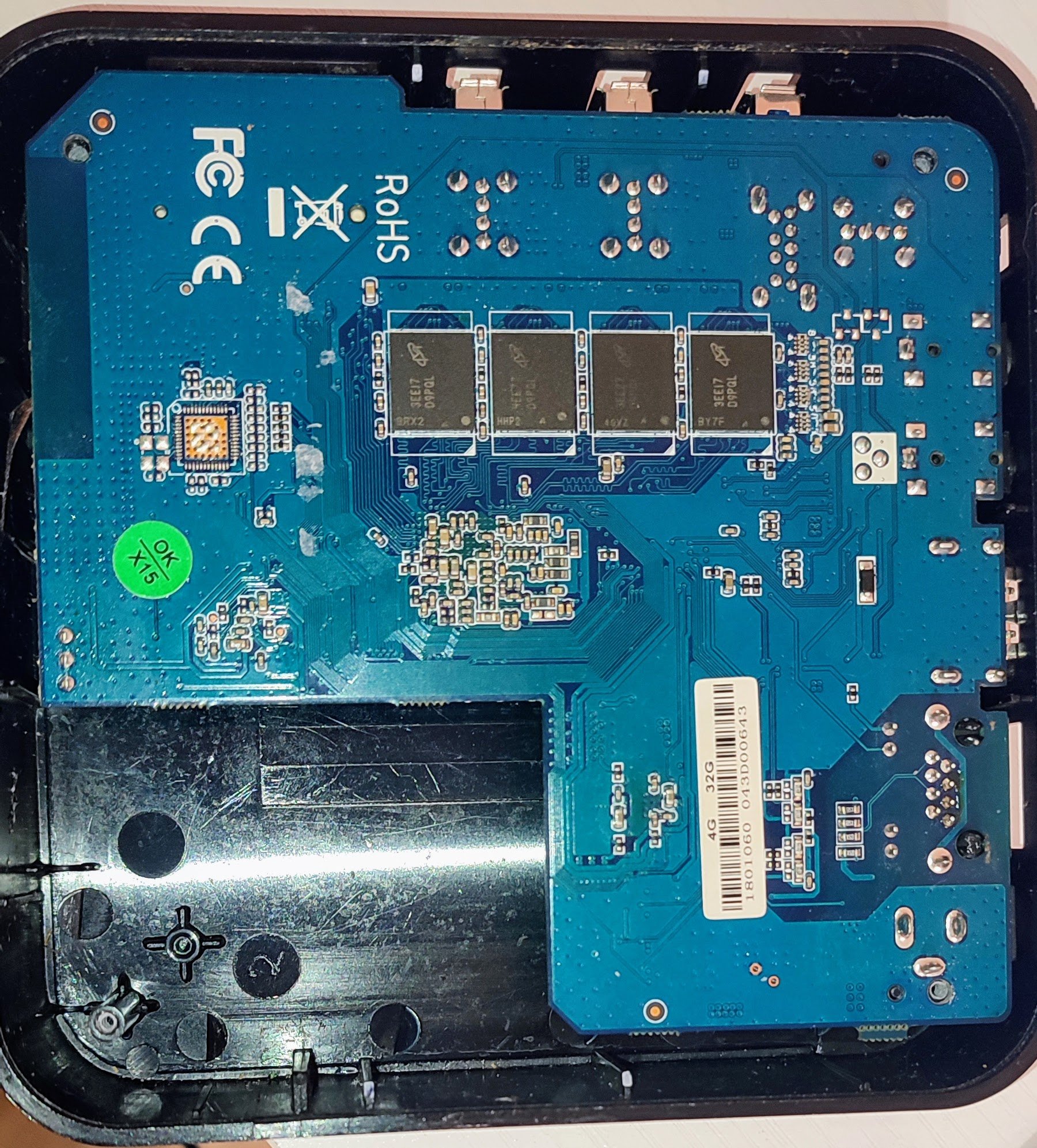
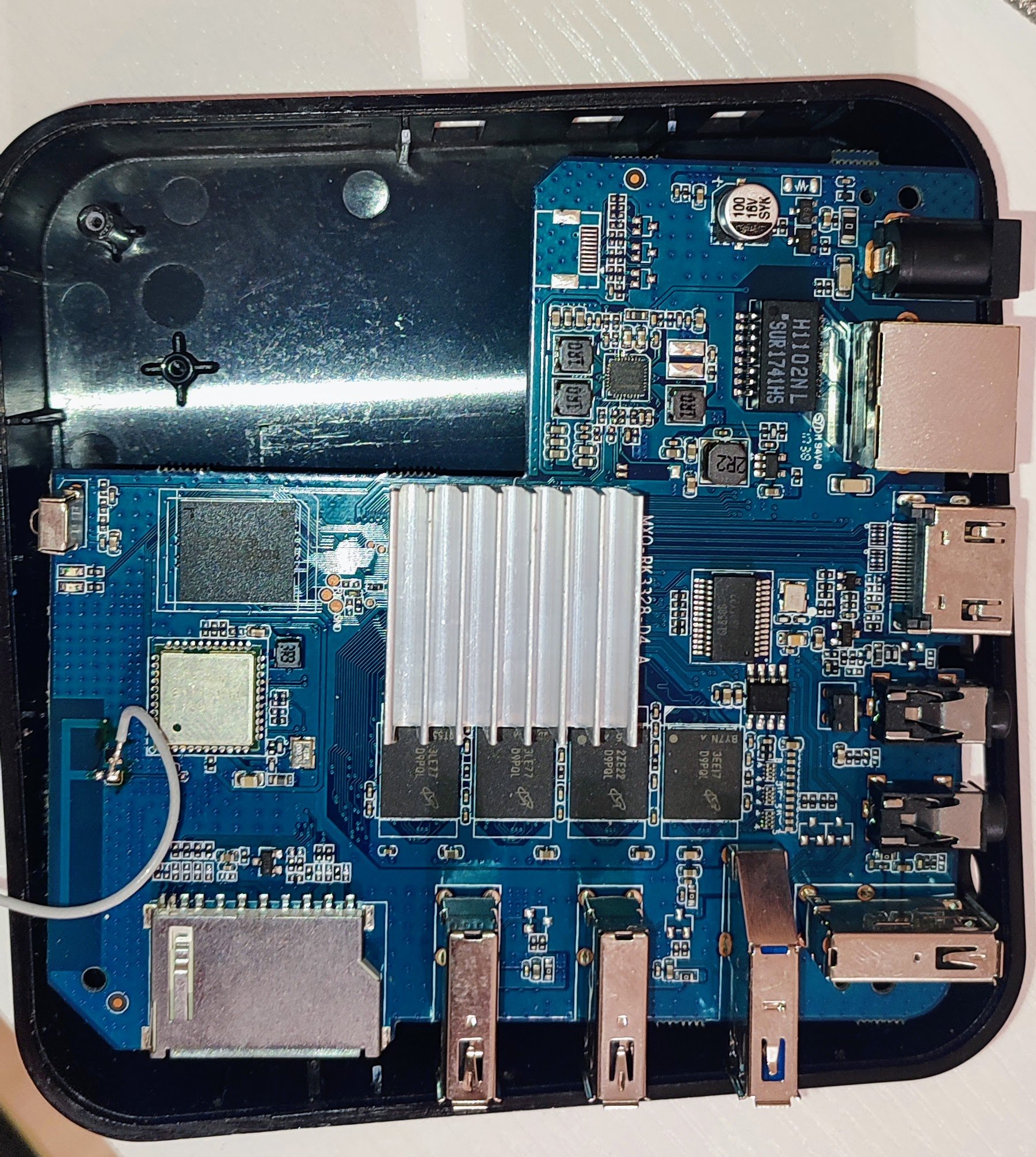
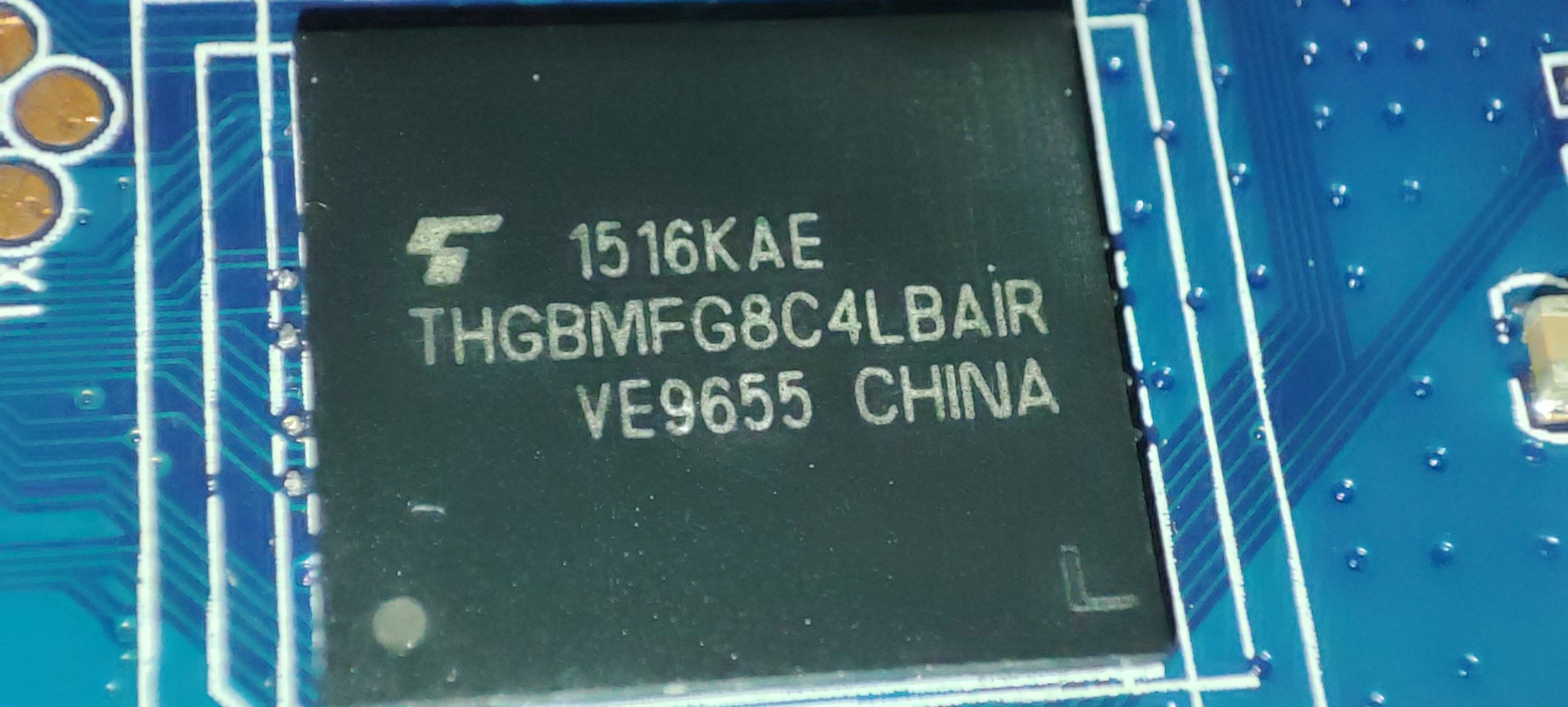
This is a great thread. I've had a magcubic android 12 box I've been using for a while just to watch things off a USB when we stay at hotels. It looks like the one in this video but the chip ID's are different. Mine seems to be running with Samsung memory, the clock chip? is FD650 instead of FD6551 and the wifi chip is labelled as HK5236F. Most hotel TV's don't support modern video codecs so this has worked ok. But I want to look at accessing my NAS remotely and this box is a bit of a dud if you want to install your own apps. Play store doesn't work, aurora store doesn't work. Tried sideloading Tailscale and it just crashes. While doing some research I noticed it also seems to be sold under the Vontar brand so I flashed @Nick A "Armbian-unofficial_25.05.0-trunk_Vontar-h618_bookworm_edge_6.12.11_xfce_desktop.img" to an SD card and it booted up. Happy days. It appears to have ethernet but I have not plugged it in yet. No wifi though. I just have 2 questions. 1. Is there any way this can be made to boot from internal storage or do I need to keep the SD card in if I want to run Armbian on it? 2. Is there a driver available for this wifi chip and do I need to mess around updating the boot image or can I just run a command for it? I'm not a regular linux user but I've got a bit of experience messing around. I don't currently have an environment setup to build my own image but I've played around with WSL before so I could probably set something up. Thanks for everyone that has contributed to this. It's good to make use of these boxes considering how cheap they are.
-
Gaming experience with Orange Pi 5 (RK3588) on Armbian
KhanhDTP replied to KhanhDTP's topic in Orange Pi 5
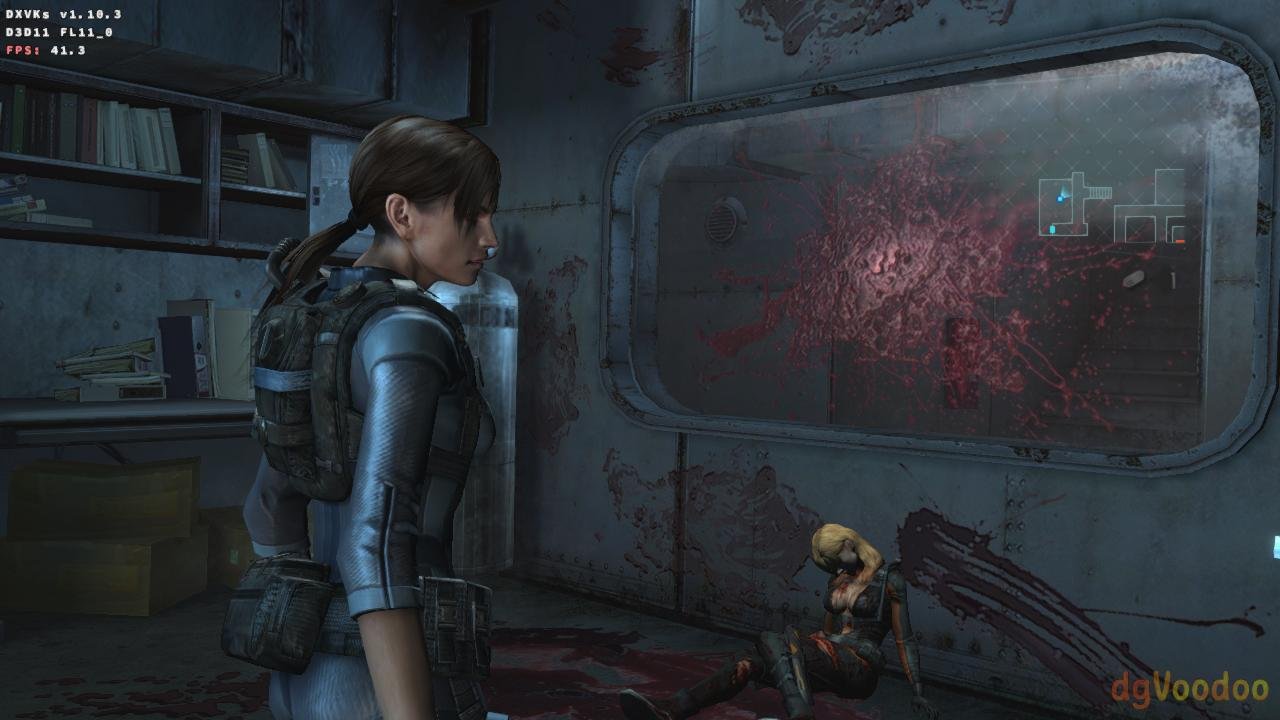
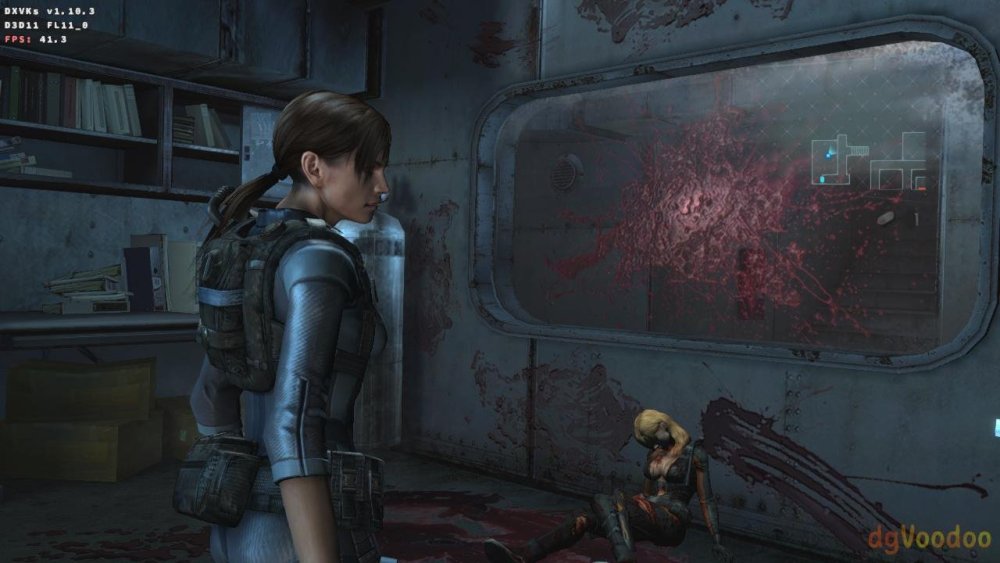
Armbian 25.11.2 Noble XFCE (BSP Kernel: 6.1.115) + PanVk - mesa 26.0 (https://launchpad.net/~ernstp/+archive/ubuntu/mesaaco) + Box64 arm64 v0.4.1 652da4fbc (https://ryanfortner.github.io/box64-debs/) + wine-10.20-staging-tkg-amd64-wow64 (https://github.com/Kron4ek/Wine-Builds/releases/tag/10.20) + dgVoodoo2 (https://github.com/dege-diosg/dgVoodoo2/releases) + DXVK-stripped v1.10.3 ~40fps@720p (low shadow setting, high texture, no AA) box64 environment variables: Resident Evil - Revelations.thumb.jpg.10f19df1865405ec6a270d02ef0a5328.jpg)






.jpg.c1569deb1b49915ff40a02634d1dcf96.jpg)



.jpg.b6242127691e14538185b15fc229a9fd.jpg)