All Activity
- Past hour
-
Has anyone successfully set up a MIPI screen with their LCD ribbon connectors on Armbian? Any wisdom from someone who has done this would be appreciated.
-
@sven-olaTrying the latest RC2 and RC3 7.1 bundles at https://sven-ola.commando.de/privat-in/ by flashing it to a MicroSD card and booting from it, I get the following boot failure. Booting your 6.18 image works though. Any idea how make it work? By the way, is the U-Boot binary inside Armbian the same in your 7.1 and 6.18 versions? Perhaps I could boot the 6.18 from MicroSD card, use it to flash the SPI, and then try to boot the 7.1 from the SPI?
- Yesterday
-
That sounds like a Klipper message, not from the armbian OS. If there is new functionality in Klipper it will show this error, but you don't always need to reflash the MCU depending on if you use those functions. You can post in a more detailed error and versions in a Klipper forum for advice.
-

BTT Pi - ethernet not working after upgrade from 6.12.68 to 6.18.33
mattjm replied to ilmarietto's topic in BIGTREETECH CB1
I ran into this as well. Downgrade to kernel 6.12.58 fixed the physical interface. My board that initially had Trixie required the NetworkManager fix to get wifi working even after reverting. Something about the upgrade and/or downgrade broke netplan. -
As a data point, I had a CB1 with Trixie that was working fine with netplan until I did an apt upgrade to 26.2.1 and kernel 6.18.xx. The upgrade made my physical interface disappear, which required a kernel downgrade (to 6.12.58) to get back. But even after the downgrade my wireless interfaces still wouldn't connect. The ultimate fix was to switch this board to NetworkManager like I did with my other CB1 that was running bookworm and required the NetworkManager fix from day one.
-

How you can help test upcoming Armbian 26.05 images?
Igor replied to Igor's topic in Advanced users - Development
Tested: - Odroid C4 / HC4 - Tinkerboard - Odroid XU4 - Rockpi E -
Hi, I'm using it at the moment as a containers server, thanks for link. I not that changing kernel may run in trouble, so I still keep the 6.1.115 and wait for update. Thanks for your help Regards
-
Hi, It depends on what you want to do with your device. You should check this sheet if the features you depend on are actually available in mainline linux: https://gitlab.collabora.com/hardware-enablement/rockchip-3588/notes-for-rockchip-3588/-/blob/main/mainline-status.md Also take note that you may run into trouble booting when switching kernels. The reason is that vendor kernel images may (I don't know for this particular board) also come with (from guts feel from the stoneage) 2017 vendor uboot which may have issues booting an up to date mainline kernel. Fixing can be a bit of a pain if you don't have a second arm64 device which you could plug your microsd (via usb adapter for example) into, chroot into and fix this.
-
I'm using Armbian Orange Pi 5 Plus based on Debian 13 with vendor kernel v26.2.1 for Orange Pi 5 Plus running Armbian Linux 6.1.115-vendor-rk35xx I'm thinking about switching to Armbian based on Debian 13 with kernel current 6.18.33 because 6.1.115 is an old one => current the kernel is more recent Is that a good idea to swith to vendor kernel to current ? How can I do this ?
-
It's fixed in 7.1.0-rc6-bleedingedge-rockchip64 Cheers !
-
Hi there, I recently upgraded my Orange Pi 5 Plus to "Armbian 26.5.1" and noticed in the MOTD (on logins) that it is still showing version "26.2.1". I found differences in this 2 files, and the latter is the one used as reference for MOTD: cat /etc/os-release: PRETTY_NAME="Armbian 26.5.1 trixie" NAME="Debian GNU/Linux" VERSION_ID="13" VERSION="13 (trixie)" VERSION_CODENAME=trixie DEBIAN_VERSION_FULL=13.5 ID=debian HOME_URL="https://www.armbian.com" SUPPORT_URL="https://forum.armbian.com" BUG_REPORT_URL="https://www.armbian.com/bugs" ARMBIAN_PRETTY_NAME="Armbian 26.5.1 trixie" cat /etc/armbian-release: # PLEASE DO NOT EDIT THIS FILE BOARD=orangepi5-plus BOARD_NAME="Orange Pi 5 Plus" BOARDFAMILY=rockchip-rk3588 BUILD_REPOSITORY_URL=https://github.com/armbian/build BUILD_REPOSITORY_COMMIT=77f919f6c LINUXFAMILY=rockchip64 ARCH=arm64 BOOT_SOC=rk3588 IMAGE_TYPE=stable BOARD_TYPE=conf INITRD_ARCH=arm64 KERNEL_IMAGE_TYPE=Image KERNEL_TARGET=current,edge,vendor KERNEL_TEST_TARGET=vendor,current FORCE_BOOTSCRIPT_UPDATE= FORCE_UBOOT_UPDATE= OVERLAY_DIR="/boot/dtb/rockchip/overlay" VENDOR="Armbian" VENDORCOLOR="247;16;0" VENDORDOCS="https://docs.armbian.com" VENDORURL="https://www.armbian.com" VENDORSUPPORT="https://forum.armbian.com" VENDORBUGS="https://www.armbian.com/bugs" BOOTSCRIPT_FORCE_UPDATE="no" BOOTSCRIPT_DST="boot.cmd" VERSION=26.2.1 REVISION=26.2.1 BRANCH=edge Can somebody explain why armbian-release doesn't get properly updated? I belive this is not the first time I see this, I recall seeing this behaviour from previuos upgrades too. Thanks!
-

Efforts to develop firmware for H96 MAX V56 RK3566 8G/64G
Hqnicolas replied to Hqnicolas's topic in Rockchip CPU Boxes
These Chinese people are very creative. I never imagined seeing a TV box with a SATA port. @Astlin You will need to interact with the .dts file to build a .dtb file with this capability. Before taking any action, check if your board is not from this other JP-Box project. https://github.com/armbian/build/blob/main/patch/kernel/archive/rockchip64-7.1/dt/rk3566-jp-tvbox.dts The topic you should interact with is this one here: https://forum.armbian.com/topic/31887-jianpian-rk3566-tv-box-8g32g-develop-log/#comment-175700 I don't actually have access to the JP-box @Astlin. If you are using the H96 max RK3566 firmware, the SATA port may not be enabled, but you can enable kernel changes within the Armbian compilation menu and insert your changes into the board's DTS file. https://github.com/armbian/build/blob/main/patch/kernel/archive/rockchip64-7.1/dt/rk3566-h96-tvbox.dts I believe the person responsible for this sign is @tdleiyao @ning have tested our DTB file on JianPian device https://github.com/armbian/build/blob/main/config/boards/jp-tvbox-3566.tvb If you have time, we can update the JP-box project in the correct topic. https://forum.armbian.com/topic/31887-jianpian-rk3566-tv-box-8g32g-develop-log/#comment-175700 I have maintained a sample repository with the necessary data to enable RK3566 cards in Armbian. https://github.com/hqnicolas/ArmBoardBringUp The reason JP-box isn't working is that it was enabled in kernel 6.6, and we're already on 7.1, nobody updates this since then. You can use the H96 modifications as start point. this modifications apply to the JP-box, but some functions, such as the SATA port, require customization. -
 Hi, my knowledge about Armbian is limited. For such a specific configuration/compilation I suggest that you open a new topic under "Allwinner sunxi". Best regards.
 -

Efforts to develop firmware for H96 MAX V56 RK3566 8G/64G
Astlin replied to Hqnicolas's topic in Rockchip CPU Boxes
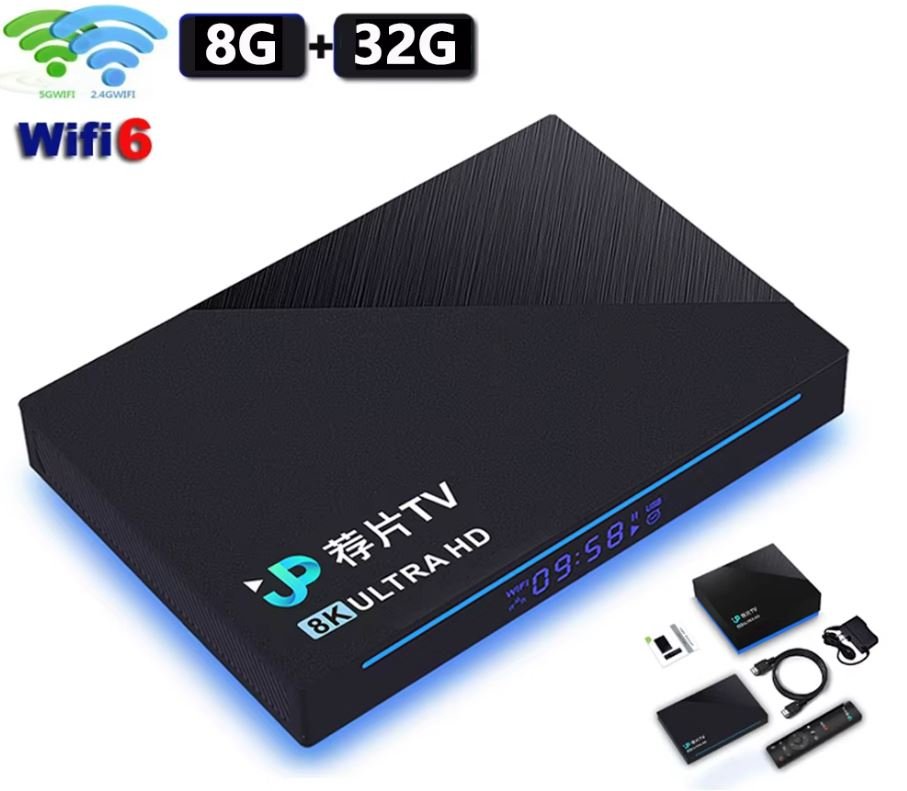
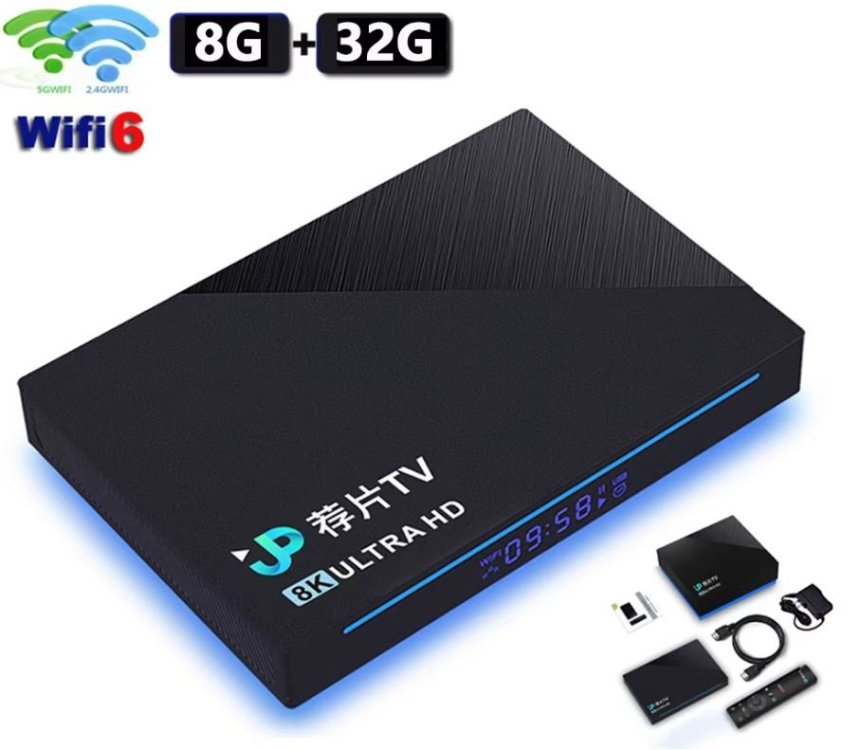
Tell me please. TV Box JPTV RK3566 8GB RAM eMMC 32GB, WIFI/BT, USB2, USB3, there is no SATA. There is no microSD connector and wiring for it on the board. (I can attach additional photos of the board). Android 11 was working fine. According to the instructions, I flashed on Armbian_community_26.2.0-trunk.904_Jp-tvbox-3566_trixie_current_6.18.29_minimal.img. When loading in the terminal, I got this error: Then I tried to flash on Armbian_community_26.2.0-trunk.904_H96-tvbox-3566_resolute_current_6.18.30_kde-plasma_desktop.img - the board started and I was able to safely run a couple of tests for the presence of a decoder/encoder through the terminal and ssh: but SATA does not work. Can you tell me why the "native" firmware for this board does not start?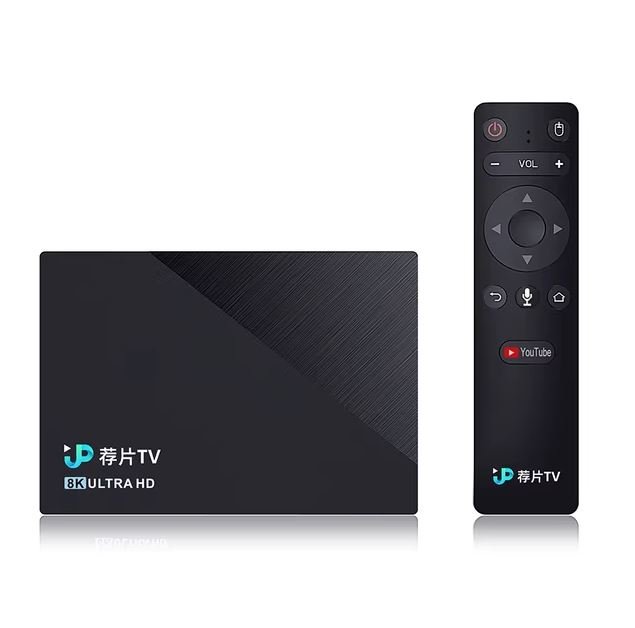
-
OK, good that you see the higher voltage selected. I have also seen it, but was on a NanoPi-R6C, although it did not work with RPi5 27W PSU, but OK with HP tablet 45W PSU. The rest is then a matter of kernel and DTB. My ROCK5B runs fine with rolling release/latest Linux kernels (Debian Sid, Opensuse Tumbleweed), currently 7.0.10 version. Don't know about NixOS (on aarch64), but maybe first get some basic stability with standard Armbian Trixie image (mainline based). It gets tricky when you mix vendor and mainline/distro based. Also vendor (6.1.115) can show various issues if you try/use various external HW. Like an mt9721u USB stick of mine causes a failure in paging on ROCK3A, so need reboot, then it works, but don't know for how long (weeks or months)
-
Yes, true. Meaning dirty spi Yes and no. If SPI is detected and valid it is used. However if this one detects a microsd card with a boot loader it will chain-load this one to ultimately load the os from microsd. Having mixups between vendor and mainline u-boot and/or mixed blobs (like ddr training) this will much likely cause issues.
- Last week
-
I will try to download and flash the armbian u-boot to SPI. The main issue is that I don't have a fixed USB-C 12V power supply In the meantime I instrumented the fusb302 driver in my Nixos U-boot (v2025.11) an I can see the negociation working and selecting 20v 3.25A with my Lenovo laptop charger. But Linux still stop sudently, but that's a nixos issue, not an armbian on I guess.
-
The solution I've found is to use a HDMI to VGA converter and use the VGA port
-
 I already build a lot of images for another boards. My problem is uboot spl corrected 1536mb ram okay, but after that, it load uboot and say dram 2gb 0gb effective. Real ram is 1,5gb
 -

Trying to boot Armbian on LinknLink iSG Box SE
rosic replied to Sancho's topic in Rockchip CPU Boxes
@Sancho perfect. I will try it out and will inform you later. I have also discovered that the power adaptors packed with the iSG Box are low quality and some of those can't even reach 1,5 A. Which can cause instability issues and failed HA updates, install, armbian crashes, etc. -
this means bootloader in SPI-flash is used if armbian is booted from sd-card slot, the armbian bootloader from sd-card it used, at least that is what i think so you can wipe spi-flash or wriie a working bootloader in there
-
Then my guess was correct. That's the image I tested a few minutes ago. https://paste.armbian.com/enadozucir
-
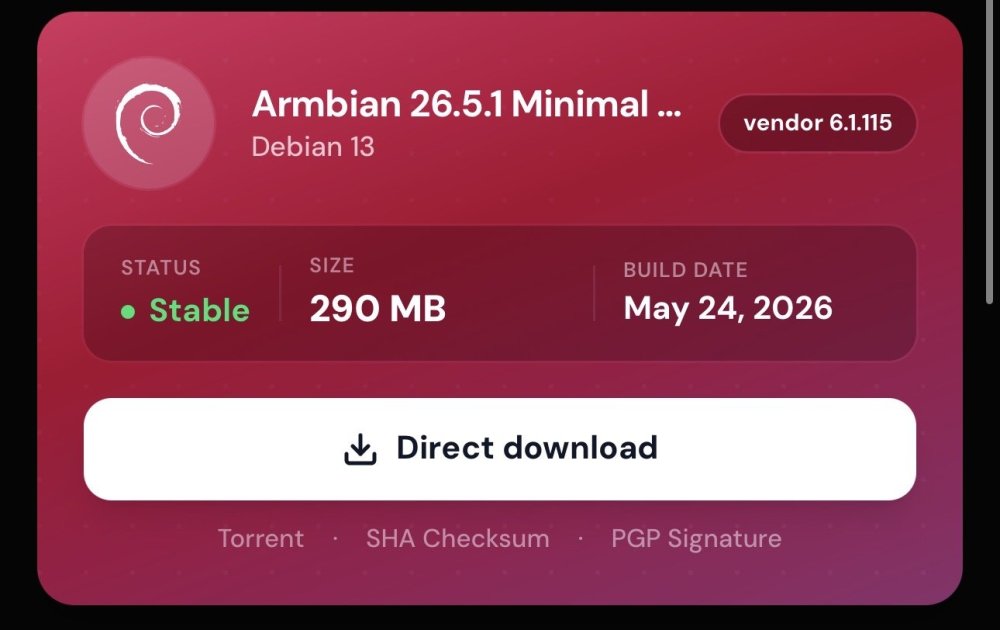
This one Armbian_26.5.1_Orangepi5_trixie_vendor_6.1.115_minimal.img
-
Tried booting cli minimal with vendor kernel from microsd, boots just fine. How to debug boot issues: https://www.youtube.com/watch?v=UpVMO7gbnYM
-
which image did you try?