Jump to content

All Activity

This stream auto-updates

  1. Today
  2. Hello @BipBip1981, with Kernel 6.18.35 / Armbian 26.5.1, are you using @iav's new DTP patch or the old DTP file? I'm not sure if it makes any difference, so I was curious what you're using.
  3. Now that I posted this I revisited the debian install the only thing missing was to add the root partition before booting setenv bootargs root=/dev/sda3 rw Of course the networking does not work as the interfaces on the dtb are for freebsd If I manage to properly build this I will post the steps to create the installer (if possible having network enabled so netinst could be used arm debian has the drivers for the network controllers already compiled mv88e6xxx) and some kind of step by step guide how to
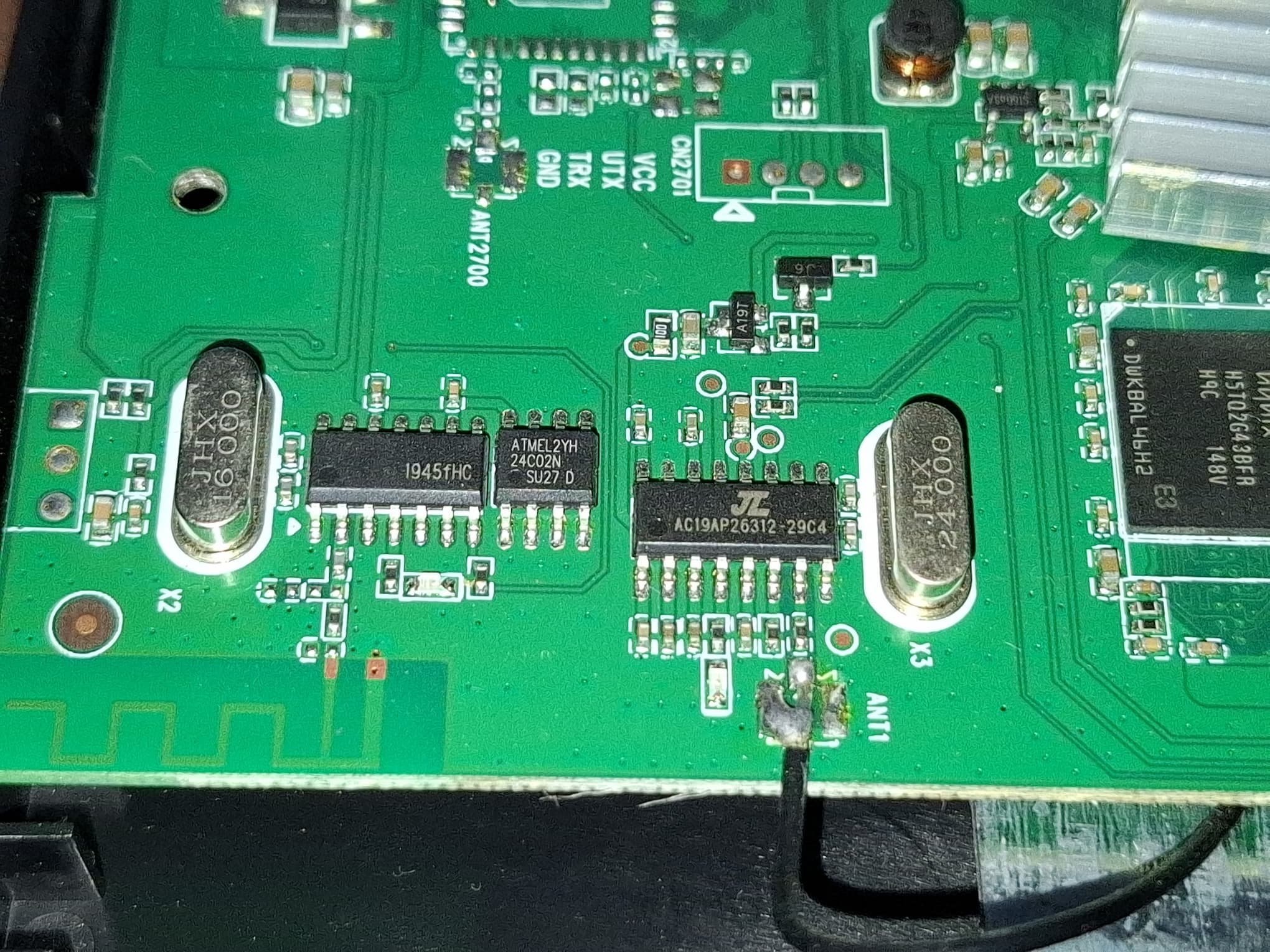
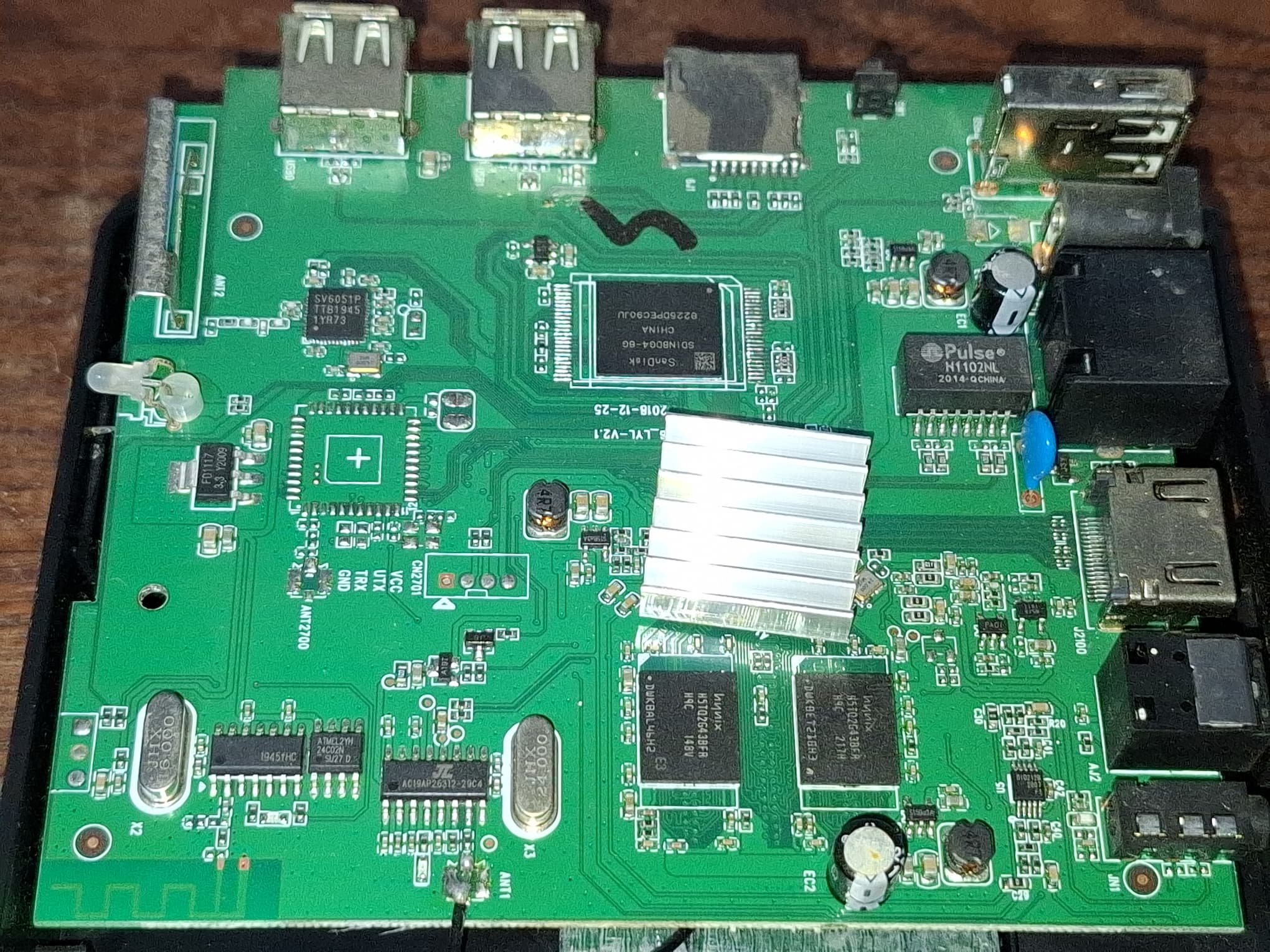
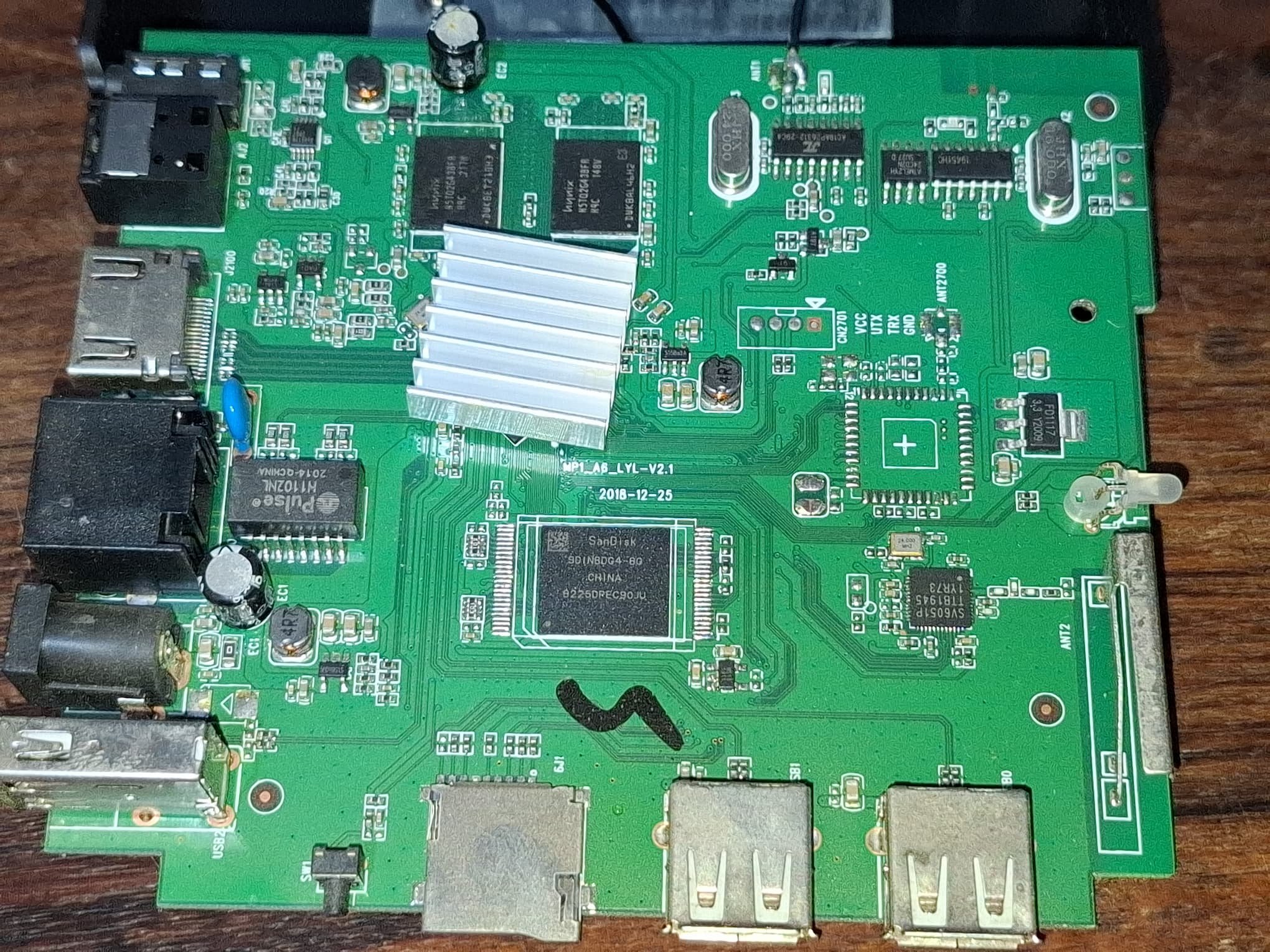
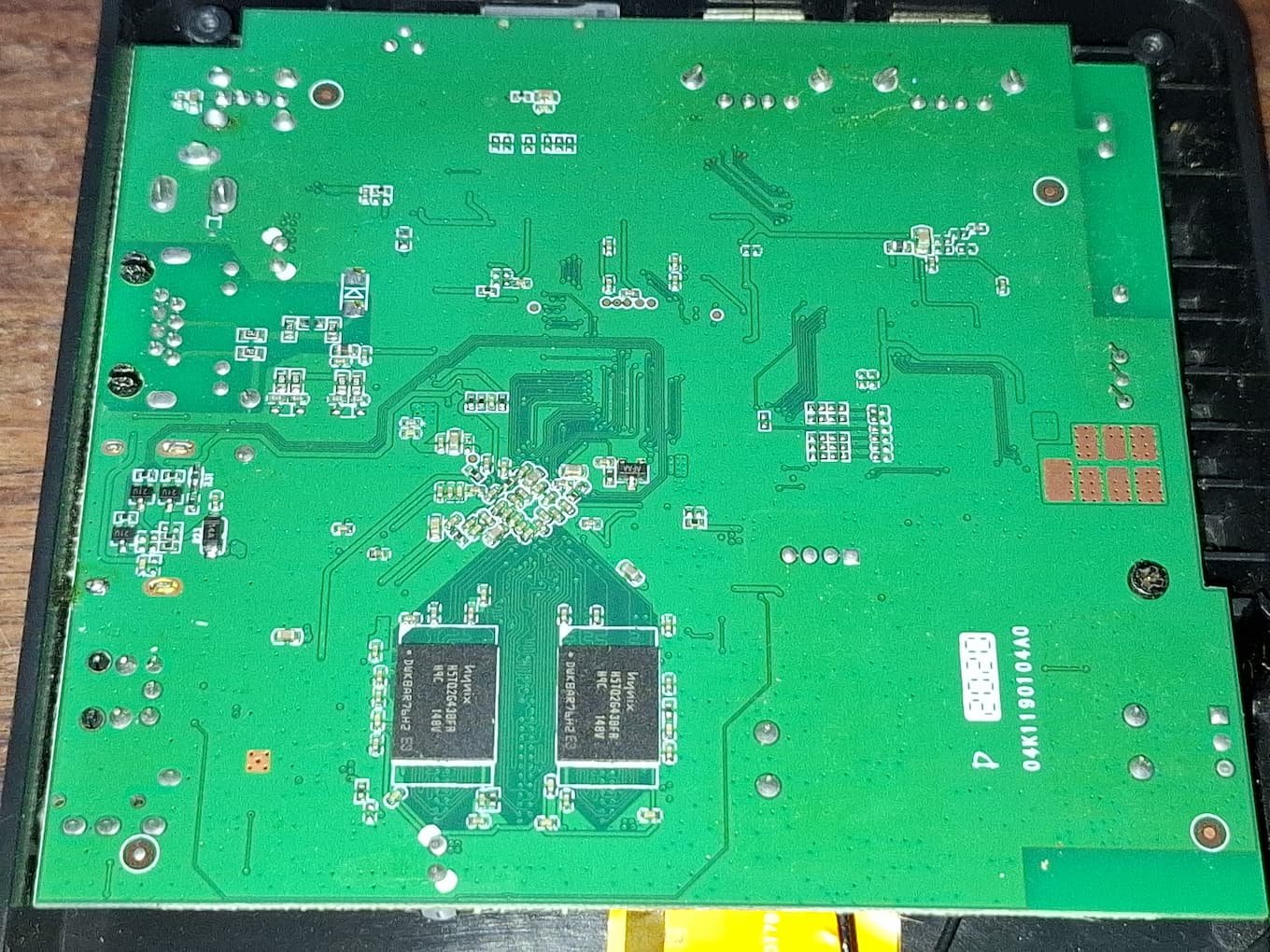
  4. I'm trying to do exactly this, I was able to build an arm64 Debian installer, and install it on the the m.2 storage. I've decided to start experimenting with armbian but have not got anywhere yet. If its worth anything this is how far i've got booting Debian for arm64 Marvell>>setenv initrd_high 0xffffffffffffffff Marvell>>setenv fdt_high 0xffffffffffffffff Marvell>>setenv ramdisk_addr_r 0x8000000 Marvell>> load scsi 0:2 ${kernel_addr_r} /vmlinuz 37605312 bytes read in 614 ms (58.4 MiB/s) Marvell>> load mmc 0:2 ${fdt_addr_r} /armada-3720-netgate-2100.dtb 13737 bytes read in 12 ms (1.1 MiB/s) Marvell>> load scsi 0:2 ${ramdisk_addr_r} /initrd.img 36549593 bytes read in 596 ms (58.5 MiB/s) Marvell>> booti ${kernel_addr_r} ${ramdisk_addr_r}:${filesize} ${fdt_addr_r} ## Flattened Device Tree blob at 00c00000 Booting using the fdt blob at 0xc00000 Using Device Tree in place at 0000000000c00000, end 0000000000c065a8 Starting kernel ... [ 0.000000] Booting Linux on physical CPU 0x0000000000 [0x410fd034] [ 0.000000] Linux version 6.12.94+deb13-arm64 (debian-kernel@lists.debian.org) (aarch64-linux-gnu-gcc-14 (Debian 14.2.0-19) 14.2.0, GNU ld (GNU Binutils for Debian) 2.44) #1 SMP Debian 6.12.94-1 (2026-06-20) [ 0.000000] KASLR disabled due to lack of seed [ 0.000000] Machine model: Netgate 2100 [ 0.000000] efi: UEFI not found. [ 0.000000] OF: reserved mem: Reserved memory: No reserved-memory node in the DT [ 0.000000] NUMA: Faking a node at [mem 0x0000000000000000-0x00000000e7ffffff] [ 0.000000] NODE_DATA(0) allocated [mem 0xe7940280-0xe79439bf] [ 0.000000] Zone ranges: [ 0.000000] DMA [mem 0x0000000000000000-0x00000000e7ffffff] [ 0.000000] DMA32 empty [ 0.000000] Normal empty [ 0.000000] Device empty [ 0.000000] Movable zone start for each node [ 0.000000] Early memory node ranges [ 0.000000] node 0: [mem 0x0000000000000000-0x0000000003ffffff] [ 0.000000] node 0: [mem 0x0000000005400000-0x00000000cfffffff] [ 0.000000] node 0: [mem 0x00000000e0000000-0x00000000e7ffffff] [ 0.000000] Initmem setup node 0 [mem 0x0000000000000000-0x00000000e7ffffff] [ 0.000000] On node 0, zone DMA: 5120 pages in unavailable ranges [ 0.000000] cma: Reserved 64 MiB at 0x00000000e0200000 on node -1 [ 0.000000] psci: probing for conduit method from DT. [ 0.000000] psci: PSCIv1.1 detected in firmware. [ 0.000000] psci: Using standard PSCI v0.2 function IDs [ 0.000000] psci: Trusted OS resident on physical CPU 0x0 [ 0.000000] psci: SMC Calling Convention v1.1 [ 0.000000] percpu: Embedded 34 pages/cpu s101528 r8192 d29544 u139264 [ 0.000000] Detected VIPT I-cache on CPU0 [ 0.000000] CPU features: detected: GIC system register CPU interface [ 0.000000] CPU features: detected: ARM erratum 845719 [ 0.000000] alternatives: applying boot alternatives [ 0.000000] Kernel command line: [ 0.000000] Dentry cache hash table entries: 524288 (order: 10, 4194304 bytes, linear) [ 0.000000] Inode-cache hash table entries: 262144 (order: 9, 2097152 bytes, linear) [ 0.000000] Fallback order for Node 0: 0 [ 0.000000] Built 1 zonelists, mobility grouping on. Total pages: 879616 [ 0.000000] Policy zone: DMA [ 0.000000] mem auto-init: stack:all(zero), heap alloc:on, heap free:off [ 0.000000] software IO TLB: SWIOTLB bounce buffer size adjusted to 3MB [ 0.000000] software IO TLB: area num 2. [ 0.000000] software IO TLB: SWIOTLB bounce buffer size roundup to 4MB [ 0.000000] software IO TLB: mapped [mem 0x00000000cf800000-0x00000000cfc00000] (4MB) [ 0.000000] SLUB: HWalign=64, Order=0-3, MinObjects=0, CPUs=2, Nodes=1 [ 0.000000] ftrace: allocating 50860 entries in 199 pages [ 0.000000] ftrace: allocated 199 pages with 5 groups [ 0.000000] rcu: Hierarchical RCU implementation. [ 0.000000] rcu: RCU restricting CPUs from NR_CPUS=512 to nr_cpu_ids=2. [ 0.000000] Rude variant of Tasks RCU enabled. [ 0.000000] Tracing variant of Tasks RCU enabled. [ 0.000000] rcu: RCU calculated value of scheduler-enlistment delay is 25 jiffies. [ 0.000000] rcu: Adjusting geometry for rcu_fanout_leaf=16, nr_cpu_ids=2 [ 0.000000] RCU Tasks Rude: Setting shift to 1 and lim to 1 rcu_task_cb_adjust=1 rcu_task_cpu_ids=2. [ 0.000000] RCU Tasks Trace: Setting shift to 1 and lim to 1 rcu_task_cb_adjust=1 rcu_task_cpu_ids=2. [ 0.000000] NR_IRQS: 64, nr_irqs: 64, preallocated irqs: 0 [ 0.000000] GICv3: GIC: Using split EOI/Deactivate mode [ 0.000000] GICv3: 192 SPIs implemented [ 0.000000] GICv3: 0 Extended SPIs implemented [ 0.000000] Root IRQ handler: gic_handle_irq [ 0.000000] GICv3: GICv3 features: 16 PPIs [ 0.000000] GICv3: GICD_CTRL.DS=0, SCR_EL3.FIQ=0 [ 0.000000] GICv3: CPU0: found redistributor 0 region 0:0x00000000d1d40000 [ 0.000000] rcu: srcu_init: Setting srcu_struct sizes based on contention. [ 0.000000] arch_timer: cp15 timer(s) running at 12.50MHz (phys). [ 0.000000] clocksource: arch_sys_counter: mask: 0xffffffffffffff max_cycles: 0x2e2049cda, max_idle_ns: 440795202628 ns [ 0.000000] sched_clock: 56 bits at 13MHz, resolution 80ns, wraps every 4398046511080ns [ 0.000560] Console: colour dummy device 80x25 [ 0.000574] printk: legacy console [tty0] enabled [ 0.002499] Calibrating delay loop (skipped), value calculated using timer frequency.. 25.00 BogoMIPS (lpj=50000) [ 0.002524] pid_max: default: 32768 minimum: 301 [ 0.005411] LSM: initializing lsm=lockdown,capability,landlock,yama,apparmor,tomoyo,bpf,ipe,ima,evm [ 0.006568] landlock: Up and running. [ 0.006578] Yama: disabled by default; enable with sysctl kernel.yama.* [ 0.006897] AppArmor: AppArmor initialized [ 0.006984] TOMOYO Linux initialized [ 0.007597] LSM support for eBPF active [ 0.008869] Mount-cache hash table entries: 8192 (order: 4, 65536 bytes, linear) [ 0.008926] Mountpoint-cache hash table entries: 8192 (order: 4, 65536 bytes, linear) [ 0.012629] cacheinfo: Unable to detect cache hierarchy for CPU 0 [ 0.014344] rcu: Hierarchical SRCU implementation. [ 0.014392] rcu: Max phase no-delay instances is 1000. [ 0.014774] Timer migration: 1 hierarchy levels; 8 children per group; 1 crossnode level [ 0.016382] EFI services will not be available. [ 0.016923] smp: Bringing up secondary CPUs ... [ 0.017751] Detected VIPT I-cache on CPU1 [ 0.017833] GICv3: CPU1: found redistributor 1 region 0:0x00000000d1d60000 [ 0.017890] CPU1: Booted secondary processor 0x0000000001 [0x410fd034] [ 0.018133] smp: Brought up 1 node, 2 CPUs [ 0.018185] SMP: Total of 2 processors activated. [ 0.018195] CPU: All CPU(s) started at EL2 [ 0.018228] CPU features: detected: 32-bit EL0 Support [ 0.018239] CPU features: detected: 32-bit EL1 Support [ 0.018253] CPU features: detected: CRC32 instructions [ 0.018309] alternatives: applying system-wide alternatives [ 0.075040] node 0 deferred pages initialised in 56ms [ 0.075159] Memory: 3303084K/3518464K available (15680K kernel code, 3826K rwdata, 13964K rodata, 3072K init, 940K bss, 146392K reserved, 65536K cma-reserved) [ 0.076302] devtmpfs: initialized [ 0.081834] clocksource: jiffies: mask: 0xffffffff max_cycles: 0xffffffff, max_idle_ns: 7645041785100000 ns [ 0.081914] futex hash table entries: 512 (order: 3, 32768 bytes, linear) [ 0.086738] 23328 pages in range for non-PLT usage [ 0.086766] 514848 pages in range for PLT usage [ 0.088412] pinctrl core: initialized pinctrl subsystem [ 0.089886] DMI not present or invalid. [ 0.093894] NET: Registered PF_NETLINK/PF_ROUTE protocol family [ 0.096297] DMA: preallocated 512 KiB GFP_KERNEL pool for atomic allocations [ 0.096977] DMA: preallocated 512 KiB GFP_KERNEL|GFP_DMA pool for atomic allocations [ 0.097924] DMA: preallocated 512 KiB GFP_KERNEL|GFP_DMA32 pool for atomic allocations [ 0.098133] audit: initializing netlink subsys (disabled) [ 0.098571] audit: type=2000 audit(0.096:1): state=initialized audit_enabled=0 res=1 [ 0.099860] thermal_sys: Registered thermal governor 'fair_share' [ 0.099879] thermal_sys: Registered thermal governor 'bang_bang' [ 0.099903] thermal_sys: Registered thermal governor 'step_wise' [ 0.099914] thermal_sys: Registered thermal governor 'user_space' [ 0.099925] thermal_sys: Registered thermal governor 'power_allocator' [ 0.100025] cpuidle: using governor ladder [ 0.100091] cpuidle: using governor menu [ 0.100186] hw-breakpoint: found 6 breakpoint and 4 watchpoint registers. [ 0.100267] ASID allocator initialised with 65536 entries [ 0.101877] Serial: AMBA PL011 UART driver [ 0.105146] /soc/internal-regs@d0000000/interrupt-controller@1d00000: Fixed dependency cycle(s) with /soc/internal-regs@d0000000/interrupt-controller@1d00000 [ 0.105211] /soc/pcie@d0070000: Fixed dependency cycle(s) with /soc/pcie@d0070000 [ 0.105709] /soc/internal-regs@d0000000/interrupt-controller@1d00000: Fixed dependency cycle(s) with /soc/internal-regs@d0000000/interrupt-controller@1d00000 [ 0.112080] /soc/pcie@d0070000: Fixed dependency cycle(s) with /soc/pcie@d0070000 [ 0.112134] /soc/pcie@d0070000: Fixed dependency cycle(s) with /soc/pcie@d0070000/interrupt-controller [ 0.120245] HugeTLB: registered 1.00 GiB page size, pre-allocated 0 pages [ 0.120290] HugeTLB: 0 KiB vmemmap can be freed for a 1.00 GiB page [ 0.120303] HugeTLB: registered 32.0 MiB page size, pre-allocated 0 pages [ 0.120314] HugeTLB: 0 KiB vmemmap can be freed for a 32.0 MiB page [ 0.120327] HugeTLB: registered 2.00 MiB page size, pre-allocated 0 pages [ 0.120338] HugeTLB: 0 KiB vmemmap can be freed for a 2.00 MiB page [ 0.120350] HugeTLB: registered 64.0 KiB page size, pre-allocated 0 pages [ 0.120361] HugeTLB: 0 KiB vmemmap can be freed for a 64.0 KiB page [ 0.129959] ACPI: Interpreter disabled. [ 0.130924] iommu: Default domain type: Translated [ 0.130974] iommu: DMA domain TLB invalidation policy: strict mode [ 0.137841] pps_core: LinuxPPS API ver. 1 registered [ 0.137884] pps_core: Software ver. 5.3.6 - Copyright 2005-2007 Rodolfo Giometti <giometti@linux.it> [ 0.137910] PTP clock support registered [ 0.137953] EDAC MC: Ver: 3.0.0 [ 0.138537] scmi_core: SCMI protocol bus registered [ 0.141141] NetLabel: Initializing [ 0.141184] NetLabel: domain hash size = 128 [ 0.141194] NetLabel: protocols = UNLABELED CIPSOv4 CALIPSO [ 0.141274] NetLabel: unlabeled traffic allowed by default [ 0.144587] vgaarb: loaded [ 0.148125] clocksource: Switched to clocksource arch_sys_counter [ 0.194400] VFS: Disk quotas dquot_6.6.0 [ 0.194566] VFS: Dquot-cache hash table entries: 512 (order 0, 4096 bytes) [ 0.196938] AppArmor: AppArmor Filesystem Enabled [ 0.197112] pnp: PnP ACPI: disabled [ 0.206822] NET: Registered PF_INET protocol family [ 0.207304] IP idents hash table entries: 65536 (order: 7, 524288 bytes, linear) [ 0.270460] tcp_listen_portaddr_hash hash table entries: 2048 (order: 3, 32768 bytes, linear) [ 0.270677] Table-perturb hash table entries: 65536 (order: 6, 262144 bytes, linear) [ 0.270838] TCP established hash table entries: 32768 (order: 6, 262144 bytes, linear) [ 0.271571] TCP bind hash table entries: 32768 (order: 8, 1048576 bytes, linear) [ 0.272800] TCP: Hash tables configured (established 32768 bind 32768) [ 0.273373] MPTCP token hash table entries: 4096 (order: 5, 98304 bytes, linear) [ 0.273682] UDP hash table entries: 2048 (order: 4, 65536 bytes, linear) [ 0.273806] UDP-Lite hash table entries: 2048 (order: 4, 65536 bytes, linear) [ 0.274227] NET: Registered PF_UNIX/PF_LOCAL protocol family [ 0.274272] NET: Registered PF_XDP protocol family [ 0.274298] PCI: CLS 0 bytes, default 64 [ 0.274881] Trying to unpack rootfs image as initramfs... [ 0.281554] kvm [1]: nv: 554 coarse grained trap handlers [ 0.282145] kvm [1]: IPA Size Limit: 40 bits [ 0.285641] kvm [1]: vgic-v2@d1da0000 [ 0.285729] kvm [1]: GIC system register CPU interface enabled [ 0.285779] kvm [1]: vgic interrupt IRQ9 [ 0.285816] kvm [1]: Hyp nVHE mode initialized successfully [ 0.288612] Initialise system trusted keyrings [ 0.288739] Key type blacklist registered [ 0.292418] workingset: timestamp_bits=42 max_order=20 bucket_order=0 [ 0.292600] zbud: loaded [ 0.294214] fuse: init (API version 7.41) [ 0.295518] integrity: Platform Keyring initialized [ 0.295611] integrity: Machine keyring initialized [ 0.376869] Key type asymmetric registered [ 0.376929] Asymmetric key parser 'x509' registered [ 1.069734] Freeing initrd memory: 35692K [ 1.100634] Block layer SCSI generic (bsg) driver version 0.4 loaded (major 245) [ 1.100921] io scheduler mq-deadline registered [ 1.115509] ledtrig-cpu: registered to indicate activity on CPUs [ 1.115761] shpchp: Standard Hot Plug PCI Controller Driver version: 0.4 [ 1.116059] advk-pcie d0070000.pcie: host bridge /soc/pcie@d0070000 ranges: [ 1.116183] advk-pcie d0070000.pcie: MEM 0x00e8000000..0x00e8ffffff -> 0x00e8000000 [ 1.116216] advk-pcie d0070000.pcie: IO 0x00e9000000..0x00e900ffff -> 0x00e9000000 [ 1.116502] advk-pcie d0070000.pcie: PHY unavailable (-19) [ 2.116674] advk-pcie d0070000.pcie: link never came up [ 2.117033] advk-pcie d0070000.pcie: PCI host bridge to bus 0000:00 [ 2.117066] pci_bus 0000:00: root bus resource [bus 00-ff] [ 2.117085] pci_bus 0000:00: root bus resource [mem 0xe8000000-0xe8ffffff] [ 2.117102] pci_bus 0000:00: root bus resource [io 0x0000-0xffff] (bus address [0xe9000000-0xe900ffff]) [ 2.117167] pci 0000:00:00.0: [11ab:0100] type 01 class 0x060400 PCIe Root Port [ 2.117199] pci 0000:00:00.0: PCI bridge to [bus 00] [ 2.117215] pci 0000:00:00.0: bridge window [io 0x0000-0x0fff] [ 2.117230] pci 0000:00:00.0: bridge window [mem 0x00000000-0x000fffff] [ 2.117247] pci 0000:00:00.0: bridge window [mem 0x00000000-0x000fffff 64bit pref] [ 2.118080] pci 0000:00:00.0: bridge configuration invalid ([bus 00-00]), reconfiguring [ 2.118248] pci_bus 0000:01: busn_res: [bus 01-ff] end is updated to 01 [ 2.118286] pci 0000:00:00.0: PCI bridge to [bus 01] [ 2.118307] pci_bus 0000:00: resource 4 [mem 0xe8000000-0xe8ffffff] [ 2.118323] pci_bus 0000:00: resource 5 [io 0x0000-0xffff] [ 2.118698] pcieport 0000:00:00.0: PME: Signaling with IRQ 32 [ 2.119184] pcieport 0000:00:00.0: AER: enabled with IRQ 32 [ 2.126274] mv_xor d0060900.xor: Marvell shared XOR driver [ 2.161710] mv_xor d0060900.xor: Marvell XOR (Descriptor Mode): ( xor cpy intr ) [ 2.193689] mv_xor d0060900.xor: Marvell XOR (Descriptor Mode): ( xor cpy intr ) [ 2.193936] debugfs: Directory 'd0060900.xor' with parent 'dmaengine' already present! [ 2.197771] Serial: 8250/16550 driver, 4 ports, IRQ sharing enabled [ 2.201122] Serial: AMBA driver [ 2.201554] msm_serial: driver initialized [ 2.201666] SuperH (H)SCI(F) driver initialized [ 2.204642] mousedev: PS/2 mouse device common for all mice [ 2.209486] hw perfevents: enabled with armv8_pmuv3 PMU driver, 7 (0,8000003f) counters available [ 2.211682] NET: Registered PF_INET6 protocol family [ 2.241921] Segment Routing with IPv6 [ 2.242053] In-situ OAM (IOAM) with IPv6 [ 2.242152] mip6: Mobile IPv6 [ 2.242185] NET: Registered PF_PACKET protocol family [ 2.242432] mpls_gso: MPLS GSO support [ 2.253720] registered taskstats version 1 [ 2.254108] Loading compiled-in X.509 certificates [ 2.366829] Loaded X.509 cert 'Build time autogenerated kernel key: 3f09b375e8d2d562e2a3808cdf65e52339e5a933' [ 2.378691] Demotion targets for Node 0: null [ 2.379479] Key type .fscrypt registered [ 2.379514] Key type fscrypt-provisioning registered [ 2.516330] Key type encrypted registered [ 2.516391] AppArmor: AppArmor sha256 policy hashing enabled [ 2.516469] ima: No TPM chip found, activating TPM-bypass! [ 2.516485] ima: Allocated hash algorithm: sha256 [ 2.516543] ima: No architecture policies found [ 2.516616] evm: Initialising EVM extended attributes: [ 2.516628] evm: security.selinux [ 2.516638] evm: security.SMACK64 (disabled) [ 2.516647] evm: security.SMACK64EXEC (disabled) [ 2.516657] evm: security.SMACK64TRANSMUTE (disabled) [ 2.516667] evm: security.SMACK64MMAP (disabled) [ 2.516676] evm: security.apparmor [ 2.516685] evm: security.ima [ 2.516694] evm: security.capability [ 2.516703] evm: HMAC attrs: 0x1 [ 2.600612] d0012000.serial: ttyMV0 at MMIO 0xd0012000 (irq = 0, base_baud = 1562500) is a mvebu-uart [ 2.600692] printk: legacy console [ttyMV0] enabled [ 4.101860] clk: Disabling unused clocks [ 4.105987] PM: genpd: Disabling unused power domains [ 4.117167] Freeing unused kernel memory: 3072K [ 4.175939] Checked W+X mappings: passed, no W+X pages found [ 4.181850] Run /init as init process Loading, please wait... Starting systemd-udevd version 257.13-1~deb13u1 [ 5.586850] i2c i2c-0: PXA I2C adapter [ 5.767543] sdhci: Secure Digital Host Controller Interface driver [ 5.774088] sdhci: Copyright(c) Pierre Ossman [ 5.886076] sdhci-pltfm: SDHCI platform and OF driver helper [ 6.011197] xenon-sdhci d00d8000.sdhci: Unable to determine SoC PHY PAD ctrl type [ 6.036497] SCSI subsystem initialized [ 6.040731] mvneta d0030000.ethernet eth0: Using hardware mac address 90:ec:77:01:9f:a6 [ 6.052382] xenon-sdhci d00d8000.sdhci: probe with driver xenon-sdhci failed with error -22 [ 6.054114] (unnamed net_device) (uninitialized): fixed link full duplex 2500Mbps not recognised [ 6.073454] usbcore: registered new interface driver usbfs [ 6.085829] mvneta d0040000.ethernet eth1: Using hardware mac address 90:ec:77:01:9f:a7 [ 6.094463] usbcore: registered new interface driver hub [ 6.100878] usbcore: registered new device driver usb [ 6.217074] orion-ehci d005e000.usb: EHCI Host Controller [ 6.222996] orion-ehci d005e000.usb: new USB bus registered, assigned bus number 1 [ 6.231202] orion-ehci d005e000.usb: irq 45, io mem 0xd005e000 [ 6.252295] orion-ehci d005e000.usb: USB 2.0 started, EHCI 1.00 [ 6.261338] usb usb1: New USB device found, idVendor=1d6b, idProduct=0002, bcdDevice= 6.12 [ 6.270018] usb usb1: New USB device strings: Mfr=3, Product=2, SerialNumber=1 [ 6.277541] usb usb1: Product: EHCI Host Controller [ 6.282601] usb usb1: Manufacturer: Linux 6.12.94+deb13-arm64 ehci_hcd [ 6.289406] usb usb1: SerialNumber: d005e000.usb [ 6.296654] hub 1-0:1.0: USB hub found [ 6.300715] hub 1-0:1.0: 1 port detected [ 6.403120] xhci-hcd d0058000.usb: xHCI Host Controller [ 6.409118] xhci-hcd d0058000.usb: new USB bus registered, assigned bus number 2 [ 6.417140] xhci-hcd d0058000.usb: hcc params 0x0a000998 hci version 0x100 quirks 0x0000000000000090 [ 6.417854] ahci-mvebu d00e0000.sata: supply ahci not found, using dummy regulator [ 6.426780] xhci-hcd d0058000.usb: irq 46, io mem 0xd0058000 [ 6.435267] ahci-mvebu d00e0000.sata: supply phy not found, using dummy regulator [ 6.441445] xhci-hcd d0058000.usb: xHCI Host Controller [ 6.448493] ahci-mvebu d00e0000.sata: supply target not found, using dummy regulator [ 6.453642] xhci-hcd d0058000.usb: new USB bus registered, assigned bus number 3 [ 6.461863] ahci-mvebu d00e0000.sata: AHCI vers 0001.0300, 32 command slots, 6 Gbps, platform mode [ 6.469469] xhci-hcd d0058000.usb: Host supports USB 3.0 SuperSpeed [ 6.478547] ahci-mvebu d00e0000.sata: 1/1 ports implemented (port mask 0x1) [ 6.478556] ahci-mvebu d00e0000.sata: flags: ncq sntf led only pmp fbs pio slum part sxs [ 6.501026] usb usb2: New USB device found, idVendor=1d6b, idProduct=0002, bcdDevice= 6.12 [ 6.508689] scsi host0: ahci-mvebu [ 6.509620] usb usb2: New USB device strings: Mfr=3, Product=2, SerialNumber=1 [ 6.515027] ata1: SATA max UDMA/133 mmio [mem 0xd00e0000-0xd00e1fff] port 0x100 irq 47 lpm-pol 0 [ 6.520568] usb usb2: Product: xHCI Host Controller [ 6.520577] usb usb2: Manufacturer: Linux 6.12.94+deb13-arm64 xhci-hcd [ 6.520583] usb usb2: SerialNumber: d0058000.usb [ 6.547259] hub 2-0:1.0: USB hub found [ 6.551311] hub 2-0:1.0: 1 port detected [ 6.556177] usb usb3: We don't know the algorithms for LPM for this host, disabling LPM. [ 6.564779] usb usb3: New USB device found, idVendor=1d6b, idProduct=0003, bcdDevice= 6.12 [ 6.573345] usb usb3: New USB device strings: Mfr=3, Product=2, SerialNumber=1 [ 6.580828] usb usb3: Product: xHCI Host Controller [ 6.585876] usb usb3: Manufacturer: Linux 6.12.94+deb13-arm64 xhci-hcd [ 6.592625] usb usb3: SerialNumber: d0058000.usb [ 6.598483] hub 3-0:1.0: USB hub found [ 6.602534] hub 3-0:1.0: 1 port detected [ 6.996140] ata1: SATA link up 6.0 Gbps (SStatus 133 SControl 300) [ 7.003506] ata1.00: ATA-9: TS32GMTS400S, S0903D, max UDMA/133 [ 7.009553] ata1.00: 62533296 sectors, multi 1: LBA48 NCQ (depth 32) [ 7.016683] ata1.00: Features: Dev-Sleep [ 7.021454] ata1.00: configured for UDMA/133 [ 7.026593] scsi 0:0:0:0: Direct-Access ATA TS32GMTS400S 3D PQ: 0 ANSI: 5 [ 7.102316] sd 0:0:0:0: [sda] 62533296 512-byte logical blocks: (32.0 GB/29.8 GiB) [ 7.110375] sd 0:0:0:0: [sda] Write Protect is off [ 7.115475] sd 0:0:0:0: [sda] Write cache: enabled, read cache: enabled, doesn't support DPO or FUA [ 7.124963] sd 0:0:0:0: [sda] Preferred minimum I/O size 512 bytes [ 7.151707] sda: sda1 sda2 sda3 sda4 [ 7.156761] sd 0:0:0:0: [sda] Attached SCSI disk [ 31.204156] rtc-pcf8563 1-0051: pcf8563_write_block_data: err=-121 addr=0e, data=03 [ 31.212138] rtc-pcf8563 1-0051: pcf8563_probe: write error [ 31.217824] rtc-pcf8563 1-0051: probe with driver rtc-pcf8563 failed with error -5 [ 31.226088] i2c i2c-1: PXA I2C adapter Begin: Loading essential drivers ... done. Begin: Running /scripts/init-premount ... done. Begin: Mounting root file system ... Begin: Running /scripts/local-top ... done. Begin: Running /scripts/local-premount ... done. No root device specified. Boot arguments must include a root= parameter. BusyBox v1.37.0 (Debian 1:1.37.0-6+b8) built-in shell (ash) Enter 'help' for a list of built-in commands. (initramfs) (initramfs) login (none) login: root Password: Login incorrect login[208]: invalid password for 'UNKNOWN' on 'ttyMV0' (none) login: frank Password: Login incorrect login[208]: invalid password for 'UNKNOWN' on 'ttyMV0' Here attached the device tree binary files from my device. those are for freebsd but fairly similar As I have not been able to login armada-3720-netgate-2100.dtb armada-3720-sg2100.dtb
  5. nand-sata-install has been a symlink to armbian-install for quite a while and yes, this tool didn't receive much love. However it could be replaced soon by this:https://github.com/armbian/configng/pull/951
  6. @Sancho this is really cool, and helped to turn that device from paperweight to usable linux OS. Everything seems "ok", though wifi is jittery at best. I also tried building my own image from the github repo, but after completing the build and repack steps, it fails to send to the device. $ sudo ~/Linux_Upgrade_Tool/upgrade_tool uf output/factory/apftool-rs-patched/Armbian-unofficial_26.08.0-trunk_Linknlink-isg-box-se_bookworm_vendor_6.1.115-factorytool.img Loading firmware... Support Type:3528 FW Ver:c.0.00 FW Time:2026-07-16 02:46:46 Loader ver:1.04 Loader Time:2023-12-13 16:28:48 Start to upgrade firmware... Test Device Start Test Device Success Check Chip Start Check Chip Success Get FlashInfo Start Get FlashInfo Success Prepare IDB Start Prepare IDB Success Download IDB Start Download IDB Success Download Firmware Start Download Firmware Fail I'd love to experiment more with it, but no idea how to get past this part.
  7. on my system nand-sata-install is just a link to armbian-install ls -l /usr/bin/nand-sata-install lrwxrwxrwx 1 root root 15 Nov 22 2025 /usr/bin/nand-sata-install -> armbian-install do you mean that the nand-sata-install part of armbian-install is not maintained
  8. Yesterday
  9. hi. can you make only cli image? i will test it
  10. Thanks @AurealNix - that's good intel. Only 20 of those patches of the 109 failed - I had a quick look through them and I can see you are looking to prioritise the GPU (all those GOOGLE_ flags to make youtube stream better etc) amongst other things. For my project I only needed to run headless so I could install your image and uninstall KDE if it didn't work out with my current prototype for this outdoor noise cancelling thing (I was attracted to the opi 4a because it had a bit more all round grunt) I figured I'd stick with armbian as it would have a better chance of the PR for changes to dtb etc being accepted into "stable".. I think I might go with your .dts and manually apply the changes to the other files and then build from there - used to have the stomach for this back in the day when I used to hack stuff before the internet, but I really need to get onto the noise cancelling project as my wife complains about the noise of the road when we have a BBQ outdoors and I reckon i could go some way to disturb that with some software. Your retro gaming image sounds top notch! I'm still to Master Halo 4 on the X-Box one given all these other distractions. The board is now in the bottom drawer for now as the DJI Mic Mini 2 just turned up today and the other board recognises it ok and its on to stage 2 of this prototype. Enjoy the football .. Cheers
  11. you fancy a fun distraction rather than a frustrating one: I'm also putting together a retro-gaming image for this SoC (HDMI to the TV + a gamepad = a neat little emulation box, and it's the same chip as some of the new handhelds). Early days, but it's in the works โ€” one more reason to keep the board out of the eBay pile. ๐Ÿ™‚
  12. Hi @bickns, thanks a lot for giving it a go! ๐Ÿ™ The reason dropping them into userpatches/kernel/archive/sunxi-6.18 fails is that these aren't Armbian-style patches โ€” they're a git format-patch series on top of plain vanilla 6.18.38 (base commit 1db74811b), meant to be applied to a clean tree in order. Armbian applies its own sunxi patch set first, so they conflict against that. I didn't use the Armbian build system at all โ€” I built mainline from scratch: Clone/checkout vanilla 6.18.38, then git am /path/to/patches/0*.patch (all 106, in order). Copy opi4a_blindboot_defconfig into arch/arm64/configs/ and make opi4a_blindboot_defconfig. make ARCH=arm64 CROSS_COMPILE=aarch64-linux-gnu- -j$(nproc) Image dtbs modules Wrap it for the BSP U-Boot (this is the important bit โ€” it only boots a legacy uImage): mkimage -A arm -O linux -T kernel -C none -a 0x41000000 -e 0x41000000 -d arch/arm64/boot/Image uImage Two things to know: A handful of the patches are BSP-U-Boot workarounds (static /memory, display FDT stubs, etc.) โ€” only needed to boot under the proprietary BSP U-Boot. If you're on mainline U-Boot / a normal Armbian boot flow, you'd skip those. The README groups the patches by destination so you can see which is which. If you want to integrate into Armbian proper, the cleaner path is probably the board DTS + defconfig + the generic sunxi fixes as individual patches, rather than the whole display series in one go (that one's a big port of the minimyth2/Suess work and would need adapting to Armbian's tree). Happy to help however's useful โ€” glad it's of interest!
  13. Yes, I already forgot this and maybe more; Armbian uses this by default now AFAIK, so this is another issue like netplan; I normally do in-place dist-upgrades, so my older SBC's I bought when Buster was the current Debian version, so that is still somewhere in a tag in a image generation file or so, but os-release is 13 and kernel 6.18. But for 1 case, I did take a recent/new Armbian image (Trixie) and it did cost a lot of time as the default settings for that don't work properly in my home network, so after reading freedesktop.org docs and with extra setting in conf file, it worked. But openresolv and a fixed resolv.conf is a simpler base.
  14. @AurealNix - great effort and thanks for putting me in touch with Claude 5, I was just using Gemini and it was struggling a fair bit!! In fact I had just put this board on ebay as it was causing too much distraction so your last two posts looked hopeful. Sorry my spanish isn't that great so I'll stick with English. I was hoping to just put these 106 patch files directly into the userpatches/kernel/archive/sunxi-6.18 folder and then run compile.sh with USER_PATCHES=yes, but that didn't work as patch files in that location seem to be tempremental and it couldn't find a lot of the targets. I tried removing the ones with errors which didn't work either, so went down the route of adding running compile.sh with kernel-patch parameter then copying your sun55i-t527-orangepi-4a.dts into ./cache/sources/linux-kernel-worktree/6.18__sunxi64__arm64/arch/arm64/boot/dts/allwinner/sun55i-t527-orangepi-4a.dts to get a new patch file, but this failed to compile likely because it doesn't have the changes you made to the .dtsi and other files . It would be good to know how you and Claude were building the kernel - I can see in your README that you are doing it directly into linux 6.18.38 tree, whereas I was working out of a clone of armbian in github. I would like to spend more time on this but need to get onto the real reason I bought the board (an outdoor noise cancelling project) so I'm going to use another board in the meantime. Cheers
  15. Hello, I am experiencing the same issue: CPU1-3 are offline, and they can't be activated by echo 1 > /sys/devices/system/cpu/cpu1/online or similar commands, the system is responding with "invalid argument" error. I did not notice this nuisance until last week. I would like not having to reinstall the hole system, because it is running my Nextcloud and some other home services. Is there any way to install a kernel that uses all 4 CPU, without having to reinstall the hole system? Will it work, if I just copy /boot from one of the older images onto the sdcard in use?
  16. Now I attacked the issue from the clients side and tried to connect from a "real" (Debian) system. Client Syslog output on connect looks quite comparable, but on the "failing" AP I seem to have a DNS issue: ping and traceroute do not work from the client in that case (and work when I connect to the "Bookworm AP"). From the AP computers I can alway resolve hostnames. So I will investigate this further (on Bookworm the resolveconf service is used, on Trixie systemd-resolved: so I assume an issue in the DNS setup of dnsmasq). I will not follow the "RADIUS" path anymore (for now), the brcmf_psm_watchdog_notify issue will also remain untouched (it is with me for a long time on the BPiPro now).
  17. Perhaps here: https://issues.chromium.org/issues?q=status:open as xtradeb ppa is packaking service only. I don't think they do anything else that that.
  18. I've seen this same issue with Discord, since March/April this year. Just going to https://discord.com/app (no login necessary) is enough to trigger it. From what I gather, this seems to be some sort of problem with the Chromium build Armbian uses (it appears to be the same build from the xtradeb ppa). This seems to happen on: 1. Raspberry Pi 4 on Armbian Ubuntu Noble 2. Some random Ubuntu VM ARM64 on Apple Silicon using Chromium from xtradeb/apps PPA 3. Dragon Q6A w/ Armbian Ubuntu Noble No workarounds seem to work. Turning off GPU acceleration, disabling sandboxing, etc. all make no difference. But it does not occur on: 1. Google Chrome 2. Chromium 145 or earlier ARM64 from Armbian or Xtradeb PPA, on all devices. Only 146 or later is affected for some reason 3. Linux Mint's Chromium x64 build 4. x64 Chromium snap package on Ubuntu I have not tested xtradeb PPA (or Armbian)'s x64 build of Chromium. Based on the above, I do not think this is an Armbian specific issue. Anyone have any ideas on where to report this?
  19. Last week
  20. Update: the ready-to-flash Debian 13 + KDE Plasma image is now available: https://github.com/ut-slayer/orangepi-4a-mainline/releases/tag/v0.1 Boots straight to an accelerated Plasma desktop. Feedback welcome!
  21. So you try routed AP instead of bridged. Trixie might handle 'iptables' in a different way, depends also what alternatives you have for that and/or if it is netfilter underneath. This kind of manual setup (routed, hostapd) I did before Bookworm only a few times, rest is always bridged and basically using only NM. It seems to me that something on IP layer is not accepted by your phone, so it disconnects. You need to dig more and deeper and also still take in to account what is said about that brcmf_psm_watchdog_notify issue. But it seems yest another issues.
  22. Unnoficial Image: Download Link enabled CMA, increased CMA to 32mb and enabled rknn Board logs: https://paste.armbian.com/hoqejiqeno Build logs: https://paste.armbian.eu/cekehuhule Installing ffmpeg with encoders and decoders, armhf - armv7: ffmpeg-rockchip-armhf.zip On rv1126 armbian device: cd /media/usb/esp32-rv1126-ffmpeg-rockchip ./install-on-target.sh Verify: /opt/ffmpeg-rockchip/bin/ffmpeg -hide_banner -encoders | grep -Ei 'rkmpp|mpp' /opt/ffmpeg-rockchip/bin/ffmpeg -hide_banner -decoders | grep -Ei 'rkmpp|mpp' /opt/ffmpeg-rockchip/bin/ffmpeg -hide_banner -filters | grep -Ei 'rkrga|rga' Please don't trust pre-compiled files. compile yourself: Use this only if you really want hardware H.264 encode for the go2rtc bridge. A normal upstream FFmpeg build with --enable-rkmpp may expose Rockchip decoders but not the encoder set needed here. For encoder support, use an encoder-capable Rockchip FFmpeg fork such as nyanmisaka/ffmpeg-rockchip, which documents h264_rkmpp, hevc_rkmpp, and mjpeg_rkmpp under encoders. Build FFmpeg With RKMpp Encoders: sudo apt update sudo apt install -y \ git build-essential pkg-config cmake meson ninja-build \ yasm nasm libdrm-dev libudev-dev The MPP and RGA sources below are hosted on Gitee. If git clone prompts with Username for 'https://gitee.com':, sign in with a Gitee account. That prompt is expected for these URLs and is not an FFmpeg/RKMpp build error. Build and install Rockchip MPP runtime and headers: mkdir -p ~/src cd ~/src if [ -d rkmpp/.git ]; then git -C rkmpp pull --ff-only elif [ -e rkmpp ]; then echo "rkmpp exists but is not a git checkout; move it aside or choose a new directory" >&2 exit 1 else git clone -b jellyfin-mpp --depth=1 https://gitee.com/nyanmisaka/mpp.git rkmpp fi cd rkmpp cmake -S . -B build \ -DCMAKE_BUILD_TYPE=Release \ -DCMAKE_INSTALL_PREFIX=/usr/local \ -DBUILD_SHARED_LIBS=ON \ -DBUILD_TEST=OFF cmake --build build -j"$(nproc)" sudo cmake --install build sudo ldconfig Build and install RGA. The FFmpeg fork can use RGA for hardware color conversion/scaling; this is useful because the ESP32 camera enters as raw YUYV and encoders usually want a YUV420/NV12-style input. cd ~/src if [ -d rkrga/.git ]; then git -C rkrga pull --ff-only elif [ -e rkrga ]; then echo "rkrga exists but is not a git checkout; move it aside or choose a new directory" >&2 exit 1 else git clone -b jellyfin-rga --depth=1 https://gitee.com/nyanmisaka/rga.git rkrga fi if [ -d rkrga_build ]; then meson setup --reconfigure rkrga_build else meson setup rkrga rkrga_build \ --prefix=/usr/local \ --libdir=lib \ --buildtype=release \ --default-library=shared \ -Dcpp_args=-fpermissive \ -Dlibdrm=false \ -Dlibrga_demo=false fi meson compile -C rkrga_build sudo meson install -C rkrga_build sudo ldconfig Build FFmpeg to /opt/ffmpeg-rockchip so it does not overwrite the system FFmpeg: set -e cd ~/src if [ -d ffmpeg-rockchip/.git ]; then git -C ffmpeg-rockchip pull --ff-only elif [ -e ffmpeg-rockchip ]; then echo "ffmpeg-rockchip exists but is not a git checkout; move it aside or choose a new directory" >&2 exit 1 else git clone --depth=1 https://github.com/nyanmisaka/ffmpeg-rockchip.git ffmpeg-rockchip fi cd ffmpeg-rockchip make distclean >/dev/null 2>&1 || true # RV1126 is ARMv7-A. Disabling ARMv5TE avoids assembler failures in # libavcodec/arm/mlpdsp_armv5te.S on some armhf toolchains. PKG_CONFIG_PATH=/usr/local/lib/pkgconfig:/usr/local/lib/arm-linux-gnueabihf/pkgconfig:/usr/lib/arm-linux-gnueabihf/pkgconfig \ ./configure \ --prefix=/opt/ffmpeg-rockchip \ --enable-gpl \ --enable-version3 \ --enable-libdrm \ --enable-rkmpp \ --enable-rkrga \ --disable-armv5te \ --enable-shared \ --disable-static \ --disable-doc \ --disable-debug make -j"$(nproc)" sudo make install echo /opt/ffmpeg-rockchip/lib | sudo tee /etc/ld.so.conf.d/ffmpeg-rockchip.conf sudo ldconfig This only disables FFmpeg's CPU hand-written assembly. It does not disable the Rockchip MPP encoder or RGA support, and it is acceptable for this camera path because the input is only 320x240 @ 3 fps. Verify that FFmpeg was built with actual encoders: /opt/ffmpeg-rockchip/bin/ffmpeg -hide_banner -encoders | grep -Ei 'rkmpp|mpp' /opt/ffmpeg-rockchip/bin/ffmpeg -hide_banner -decoders | grep -Ei 'rkmpp|mpp' /opt/ffmpeg-rockchip/bin/ffmpeg -hide_banner -filters | grep -Ei 'rkrga|rga' Expected Result: /opt/ffmpeg-rockchip/bin/ffmpeg -hide_banner -encoders | grep -Ei 'rkmpp|mpp' /opt/ffmpeg-rockchip/bin/ffmpeg -hide_banner -decoders | grep -Ei 'rkmpp|mpp' /opt/ffmpeg-rockchip/bin/ffmpeg -hide_banner -filters | grep -Ei 'rkrga|rga' V..... h264_rkmpp Rockchip MPP (Media Process Platform) H264 encoder (codec h264) V..... hevc_rkmpp Rockchip MPP (Media Process Platform) HEVC encoder (codec hevc) V..... mjpeg_rkmpp Rockchip MPP (Media Process Platform) MJPEG encoder (codec mjpeg) V..... av1_rkmpp Rockchip MPP (Media Process Platform) AV1 decoder (codec av1) V..... h263_rkmpp Rockchip MPP (Media Process Platform) H263 decoder (codec h263) V..... h264_rkmpp Rockchip MPP (Media Process Platform) H264 decoder (codec h264) V..... hevc_rkmpp Rockchip MPP (Media Process Platform) HEVC decoder (codec hevc) V..... mjpeg_rkmpp Rockchip MPP (Media Process Platform) MJPEG decoder (codec mjpeg) V..... mpeg1_rkmpp Rockchip MPP (Media Process Platform) MPEG1VIDEO decoder (codec mpeg1video) V..... mpeg2_rkmpp Rockchip MPP (Media Process Platform) MPEG2VIDEO decoder (codec mpeg2video) V..... mpeg4_rkmpp Rockchip MPP (Media Process Platform) MPEG4 decoder (codec mpeg4) V..... vp8_rkmpp Rockchip MPP (Media Process Platform) VP8 decoder (codec vp8) V..... vp9_rkmpp Rockchip MPP (Media Process Platform) VP9 decoder (codec vp9) ... overlay_rkrga VV->V Rockchip RGA (2D Raster Graphic Acceleration) video compositor ... scale_rkrga V->V Rockchip RGA (2D Raster Graphic Acceleration) video resizer and format converter ... vpp_rkrga V->V Rockchip RGA (2D Raster Graphic Acceleration) video post-process (scale/crop/transpose)
  23. Gemini info ๐Ÿ˜ž ..... In the official, pure Armbian for Banana Pi M2 Pro, enabling SPI is currently extremely difficult (and even impossible for the average user) If you absolutely need the SPI bus for your project: Operating system change: SPI works without any problems on official system images provided directly by the board manufacturer (BPI-M2 Pro Debian/Ubuntu with kernel 4.9 from Amlogic). The manufacturer uses an older but fully modified kernel (Kernel BSP), where all pins are rigidly and correctly assigned. Or... Staying with Armbian: If you must stick with Armbian, it's safer to abandon SPI attempts andโ€”if possibleโ€”connect the target device to a free I2C bus or UART serial communication (which work flawlessly in Armbian on this board). But ultimately, the Armbian system developer will have to decide. (Maybe there is some method to enable SPI on the latest Armbian images/firmware?) ๐Ÿ™‚ Check https://docs.banana-pi.org/en/BPI-M2_Pro/BananaPi_BPI-M2_Pro Armbian older firmware (bananapi manufacturer's firmware) (bookworm): https://drive.google.com/drive/folders/1DPkc7AHEZVS7PT_yzhNH1Dfuiz99mE0p
  24. I'm facing the same issue and haven't found a way to enable USB 3.0. There doesn't seem to be an overlay like the one in Radxa OS for enabling it. If anyone knows how to get USB 3.0 working, I'd really appreciate the help.
  25. Now I have tried to bring my non-working Trixie setup as near as possible to my working Bookworm setup (both BananaPi Pro boards) (and: no bridging stuff here!): -I replaced systemd-networkd with NetworkManager on Trixie -I restricted NM to handling of end0 (wlan0 as "unmanaged"), set up everything "the old way" as it is working on Bookworm (manual hostapd, dnsmasq, iptables) And now I try to connect from my mobile phone to both APs: Bookworm is okay as always, Trixie says "connect w/o internet" (although the very first time before rebooting it connected w/ Internet). In the extended dnsmasq log I see in both cases lots of connection names, but anyway the Trixie AP claims to have "no internet". The only visible difference is the log output for hostapd (both v2.10): in the failing case the following lines are printed for every connection, whereas in the working case these are not there: 2026-07-14T19:15:41.505822+02:00 bananapipro hostapd: wlan0: STA 22:50:7b:ac:e3:2e IEEE 802.11: associated 2026-07-14T19:15:41.541156+02:00 bananapipro hostapd: wlan0: STA 22:50:7b:ac:e3:2e RADIUS: starting accounting session 0F32AA180BFF0C2C 2026-07-14T19:15:41.542161+02:00 bananapipro hostapd: wlan0: STA 22:50:7b:ac:e3:2e WPA: pairwise key handshake completed (RSN) ....(many lines of log output from dnsmasq) 2026-07-14T19:15:58.724493+02:00 bananapipro hostapd: wlan0: STA 22:50:7b:ac:e3:2e IEEE 802.11: disassociated I have no clue what activates this RADIUS stuff and why there is this associated / disassociated pair (or why it is not there in the Bookworm case).
  26. Hi, I can confirm that the issue is present in Armbian v26.5.1 with current kernel versions 6.18.x, and that it is resolved in the edge kernels 6.19.x and 7.1.x. Armbian v26.5.1 - current kernel 6.18.x - NOT OK (many retrans and ~368 Mb/sec): root@odroidtest:~# grep -a --null-data U-Boot /dev/mtd0ro U-Boot SPL 2026.01_armbian-2026.01-S127a-Pb401-H8652-Vab81-Bd0d2-R448a (May 20 2026 - 22:28:40 +0000) root@odroidtest:~# uname -a Linux odroidtest 6.18.35-current-rockchip64 #2 SMP PREEMPT Tue Jun 9 10:28:53 UTC 2026 aarch64 GNU/Linux root@odroidtest:~# iperf3 -c 192.168.0.1 Connecting to host 192.168.0.1, port 5201 [ 5] local 192.168.0.15 port 42940 connected to 192.168.0.1 port 5201 [ ID] Interval Transfer Bitrate Retr Cwnd [ 5] 0.00-1.00 sec 43.0 MBytes 360 Mbits/sec 199 26.9 KBytes [ 5] 1.00-2.00 sec 44.9 MBytes 376 Mbits/sec 172 26.9 KBytes [ 5] 2.00-3.00 sec 41.8 MBytes 350 Mbits/sec 188 39.6 KBytes [ 5] 3.00-4.00 sec 45.1 MBytes 379 Mbits/sec 178 33.9 KBytes [ 5] 4.00-5.00 sec 41.9 MBytes 351 Mbits/sec 185 17.0 KBytes [ 5] 5.00-6.00 sec 46.5 MBytes 390 Mbits/sec 168 35.4 KBytes [ 5] 6.00-7.00 sec 42.8 MBytes 359 Mbits/sec 170 24.0 KBytes [ 5] 7.00-8.00 sec 47.0 MBytes 394 Mbits/sec 164 31.1 KBytes [ 5] 8.00-9.00 sec 41.0 MBytes 344 Mbits/sec 178 18.4 KBytes [ 5] 9.00-10.00 sec 44.8 MBytes 375 Mbits/sec 167 15.6 KBytes - - - - - - - - - - - - - - - - - - - - - - - - - [ ID] Interval Transfer Bitrate Retr [ 5] 0.00-10.00 sec 439 MBytes 368 Mbits/sec 1769 sender [ 5] 0.00-10.00 sec 438 MBytes 368 Mbits/sec receiver iperf Done. Armbian v26.5.1 - edge kernel 6.19 - OK root@odroidtest:~# grep -a --null-data U-Boot /dev/mtd0ro U-Boot SPL 2026.01_armbian-2026.01-S127a-Pb401-H8652-Vab81-Bd0d2-R448a (May 20 2026 - 22:28:40 +0000) root@odroidtest:~# uname -a Linux odroidtest 6.19.0-edge-rockchip64 #1 SMP PREEMPT Sun Feb 8 21:03:27 UTC 2026 aarch64 GNU/Linux root@odroidtest:~# iperf3 -c 192.168.0.1 Connecting to host 192.168.0.1, port 5201 [ 5] local 192.168.0.15 port 35634 connected to 192.168.0.1 port 5201 [ ID] Interval Transfer Bitrate Retr Cwnd [ 5] 0.00-1.00 sec 113 MBytes 950 Mbits/sec 0 1.81 MBytes [ 5] 1.00-2.00 sec 111 MBytes 933 Mbits/sec 0 1.81 MBytes [ 5] 2.00-3.00 sec 112 MBytes 944 Mbits/sec 0 1.81 MBytes [ 5] 3.00-4.00 sec 113 MBytes 947 Mbits/sec 0 1.81 MBytes [ 5] 4.00-5.00 sec 112 MBytes 941 Mbits/sec 0 1.81 MBytes [ 5] 5.00-6.00 sec 111 MBytes 933 Mbits/sec 0 1.81 MBytes [ 5] 6.00-7.00 sec 113 MBytes 948 Mbits/sec 0 1.81 MBytes [ 5] 7.00-8.00 sec 111 MBytes 934 Mbits/sec 1 929 KBytes [ 5] 8.00-9.00 sec 113 MBytes 948 Mbits/sec 0 929 KBytes [ 5] 9.00-10.00 sec 113 MBytes 944 Mbits/sec 0 929 KBytes - - - - - - - - - - - - - - - - - - - - - - - - - [ ID] Interval Transfer Bitrate Retr [ 5] 0.00-10.00 sec 1.10 GBytes 942 Mbits/sec 1 sender [ 5] 0.00-10.00 sec 1.09 GBytes 939 Mbits/sec receiver iperf Done. Armbian v26.5.1 - edge kernel 7.1 - OK root@odroidtest:~# grep -a --null-data U-Boot /dev/mtd0ro U-Boot SPL 2026.01_armbian-2026.01-S127a-Pb401-H8652-Vab81-Bd0d2-R448a (May 20 2026 - 22:28:40 +0000) root@odroidtest:~# uname -a Linux odroidtest 7.1.0-edge-rockchip64 #1 SMP PREEMPT Sun Jun 14 14:58:38 UTC 2026 aarch64 GNU/Linux root@odroidtest:~# iperf3 -c 192.168.0.1 Connecting to host 192.168.0.1, port 5201 [ 5] local 192.168.0.15 port 37256 connected to 192.168.0.1 port 5201 [ ID] Interval Transfer Bitrate Retr Cwnd [ 5] 0.00-1.00 sec 114 MBytes 958 Mbits/sec 0 1.72 MBytes [ 5] 1.00-2.00 sec 111 MBytes 933 Mbits/sec 0 1.72 MBytes [ 5] 2.00-3.00 sec 113 MBytes 948 Mbits/sec 0 1.72 MBytes [ 5] 3.00-4.00 sec 112 MBytes 944 Mbits/sec 0 1.72 MBytes [ 5] 4.00-5.00 sec 112 MBytes 936 Mbits/sec 0 1.72 MBytes [ 5] 5.00-6.00 sec 113 MBytes 947 Mbits/sec 0 1.72 MBytes [ 5] 6.00-7.00 sec 112 MBytes 935 Mbits/sec 0 1.72 MBytes [ 5] 7.00-8.00 sec 113 MBytes 945 Mbits/sec 0 1.72 MBytes [ 5] 8.00-9.00 sec 112 MBytes 943 Mbits/sec 0 2.19 MBytes [ 5] 9.00-10.00 sec 112 MBytes 937 Mbits/sec 0 2.19 MBytes - - - - - - - - - - - - - - - - - - - - - - - - - [ ID] Interval Transfer Bitrate Retr [ 5] 0.00-10.00 sec 1.10 GBytes 943 Mbits/sec 0 sender [ 5] 0.00-10.00 sec 1.10 GBytes 941 Mbits/sec receiver iperf Done.
  27. Hi โ€” I've been following this thread, the 100 Mbit ethernet cap and the silent mainline boot hang especially. I ended up doing a full mainline bring-up of the 4A on 6.18.38 and got gigabit ethernet working properly (RX/TX), plus the boot hang sorted, so I wanted to share the whole patch series in case it helps here. Full disclosure: I'm not a kernel developer by trade โ€” I got most of this working with a lot of help from AI coding agents, leaning hard on the BSP 5.15 as the source of truth. In my own testing everything seems stable, but I'd genuinely welcome anyone who actually knows this stuff to review the patches and tell me what I got wrong or did in a hacky way. No egos here โ€” I'm sharing it in case it's useful and to get feedback, not claiming it's perfect. ๐Ÿ™‚ What works (confirmed on hardware): HDMI KMS display (DE33/DE3.5 + TCON-TV + DW-HDMI 2.0 + Inno PHY) โ€” 720p/1080p, clean VSU8 scaling GPU Mali-G57 (Panfrost) โ€” accelerated (KDE Plasma Wayland) HDMI audio (i2s2 โ†’ dw-hdmi) โ€” PCM out to the TV Ethernet GMAC1 (YT8531 PHY, RGMII) โ€” full gigabit RX/TX WiFi AP6256 (BCM43456, brcmfmac, SDIO) โ€” 2.4/5 GHz scan + assoc reboot / poweroff (sunxi_wdt / AXP717) AFBC scanout (v350 AFBD decoder) USB โ€” the 4 rear ports (all USB 2.0; the board doesn't wire the SoC's USB3) โ€” HID + mass storage, hotplug THS thermal sensors (5 zones: cpu_l / cpu_b / gpu / npu / ddr) + 110 ยฐC critical trip CPU cpufreq/DVFS (little cluster up to 1.416 GHz, big cluster up to 1.8 GHz) + thermal throttling GPU devfreq/DVFS (Panfrost, 150โ€“600 MHz) + thermal throttling HDMI HPD / hotplug (native, no force) Known not working / help wanted: eMMC โ€” not tested (I don't have a module). I saw the mmc2: error -110 reports earlier in the thread; happy to dig into it with anyone who has eMMC. Hardware video decode (VPU) โ€” no driver in 6.18 yet (software decode works). Suspend/hibernate โ€” untested. 4GB variant โ€” expected to work out of the box (the bootloader auto-detects the RAM size and fills in /memory at boot; verified over UART on the 2GB board). I only own the 2GB variant, so if you have the 4GB one, a free -h confirmation would be very welcome. NVMe SSD โ€” untested, no drive here. Everything so far has only run from microSD. Freshness note: the cpufreq/thermal/GPU-devfreq block landed this very week and is still under soak testing on my board โ€” everything else has more mileage. I'll report anything that shakes out in this thread. Repo / patches: https://github.com/ut-slayer/orangepi-4a-mainline It's a git format-patch series (~106 patches) on top of 6.18.38 vanilla, plus a defconfig and the board .dts. The README groups the patches by intended destination: generic sunxi fixes (pinctrl, watchdog vs PSCI, AXP717 poweroff, a RESET_GPIO/mmc-pwrseq bug affecting any sunxi board with SDIO WiFi), the HDMI KMS display series (largely ported/adapted from the minimyth2 / Justin Suess H728 work, with original authorship kept in the patch headers), the A523 CPU CCU + thermal + DVFS, board integration (dts + defconfig), and a few U-Boot BSP workarounds that go away with mainline U-Boot. Coming next: a ready-to-flash Debian 13 (Trixie) image with accelerated Panfrost and KDE Plasma on Wayland โ€” I'll share it in this thread once it's had a bit more soak testing. Happy to open a PR against armbian/build (sun55iw3 family) with the board dts + defconfig + patches if there's interest. Feedback and testers welcome! Credits: minimyth2 / Justin Suess for the H728 display groundwork, and the linux-sunxi community. Cheers.
  1. Load more activity
ร—
ร—
  • Create New...

Important Information

Terms of Use - Privacy Policy - Guidelines