All Activity
- Today
-
I have wifi and it worked without building or installing anything. During the first boot I was asked if I would like to use wifi, I saw the list of SSIDs, but I was unable to connect. I used nmcli and I'm connected now. dkms status outputs: bcmdhd-spacemit-sdio/101.10.591.84.37-4, 6.18.36-current-spacemit, riscv64: installed Update: It boots from eMMC
-
As an addon to @sivert: Ubuntu has dkms "3.0.11-1ubuntu13" while Debian has the newer "3.2.2-1~deb13u1". There is a difference in /etc/kernel/prerm.d/dkms: Ubuntu starts "dkms remove..." and Debian starts "dkms kernel_prerm". Both should work normally, because if you update the kernel there are two kernels: the old one and the incoming one. If you happen to have only one kernel, and thus only one compiled dkms module version, the Ubuntu "remove" completely removes anything dkms-module related. Now Armbian is offering a kernel update to the absolute same kernel version number, thus simply overwriting linux-image. Also, a "dpkg-reconfigure linux-image-current-spacemit" (with only one Ubuntu kernel version installed) will also remove the Wifi module. I am not sure how to fix this...
-

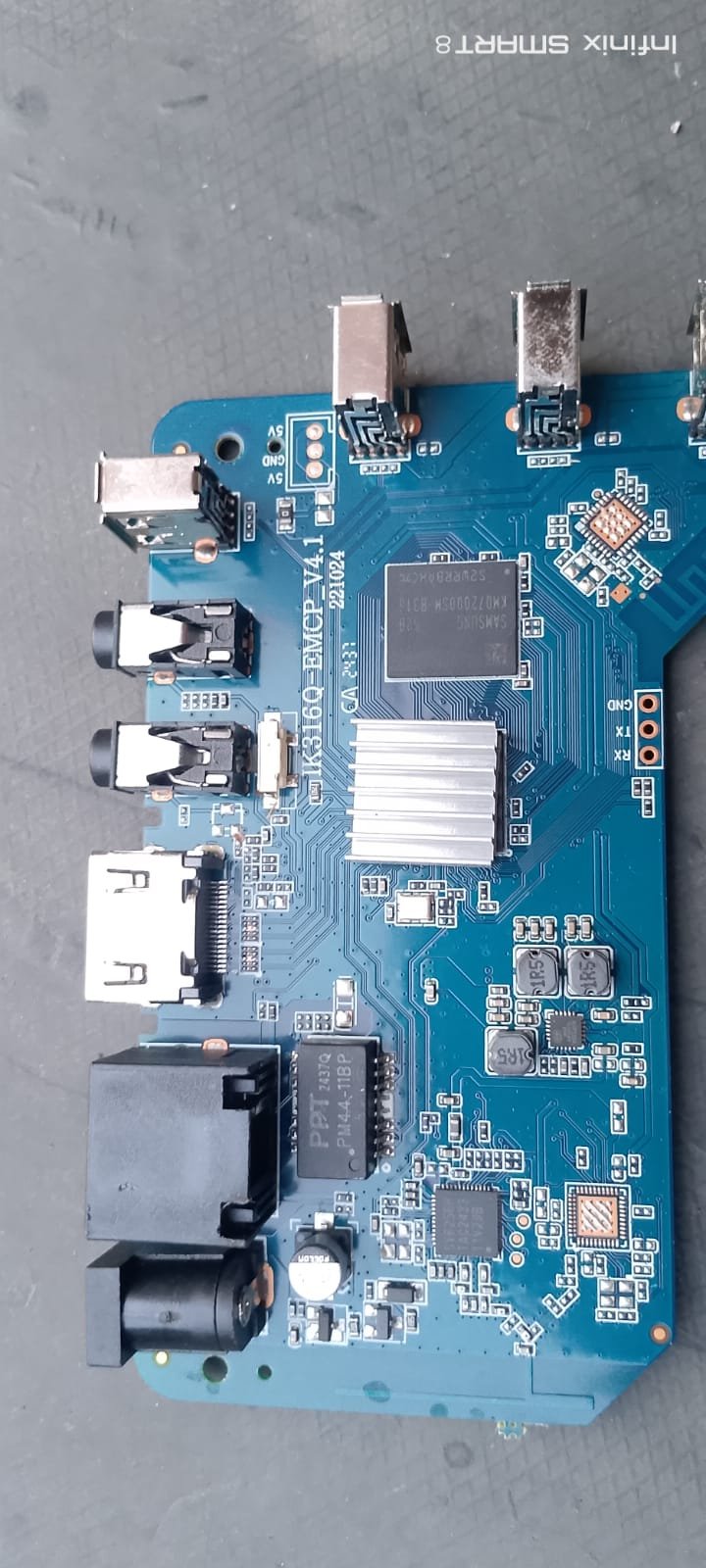
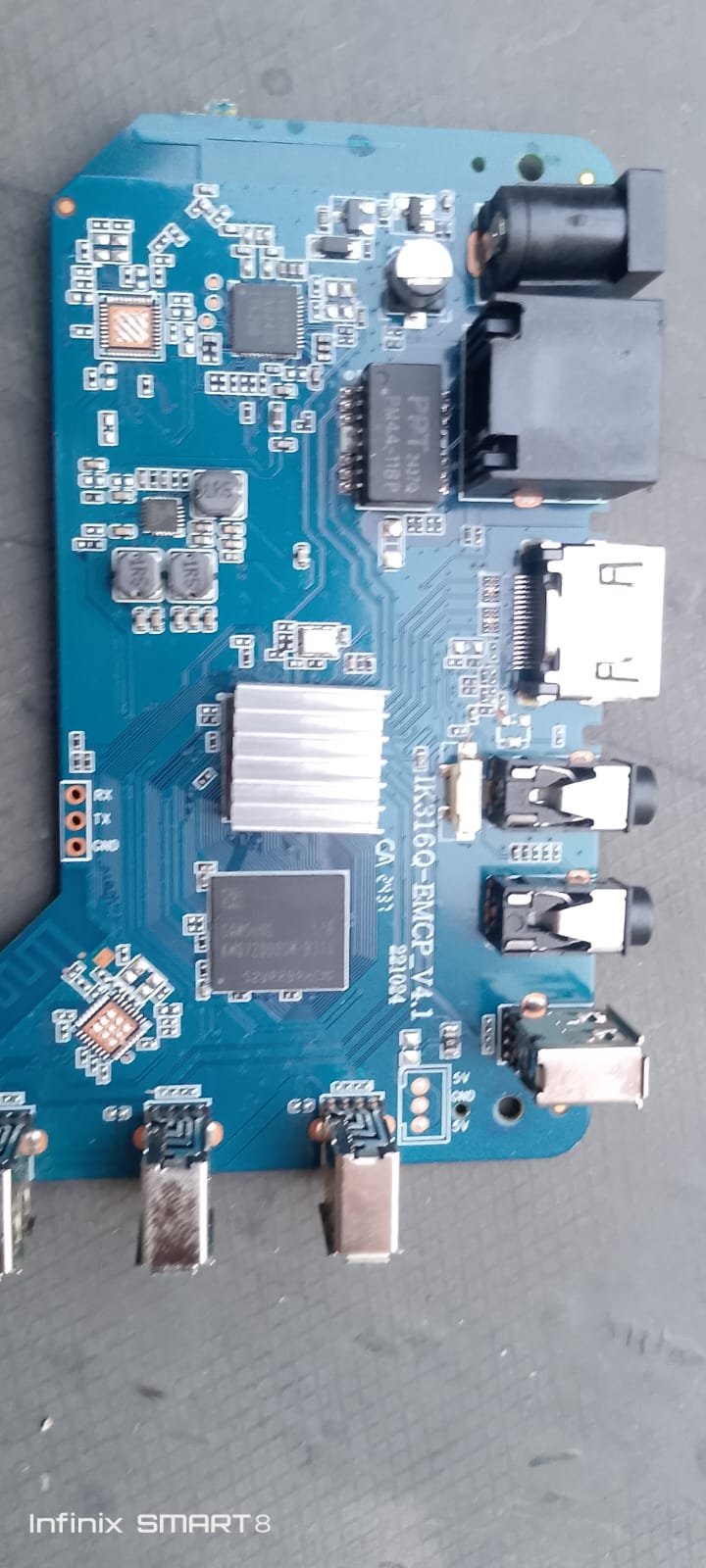
Armbian in IK316-EMCP_v4.1
Aldiansyah Permana replied to Matheus Gomes's topic in Allwinner CPU Boxes
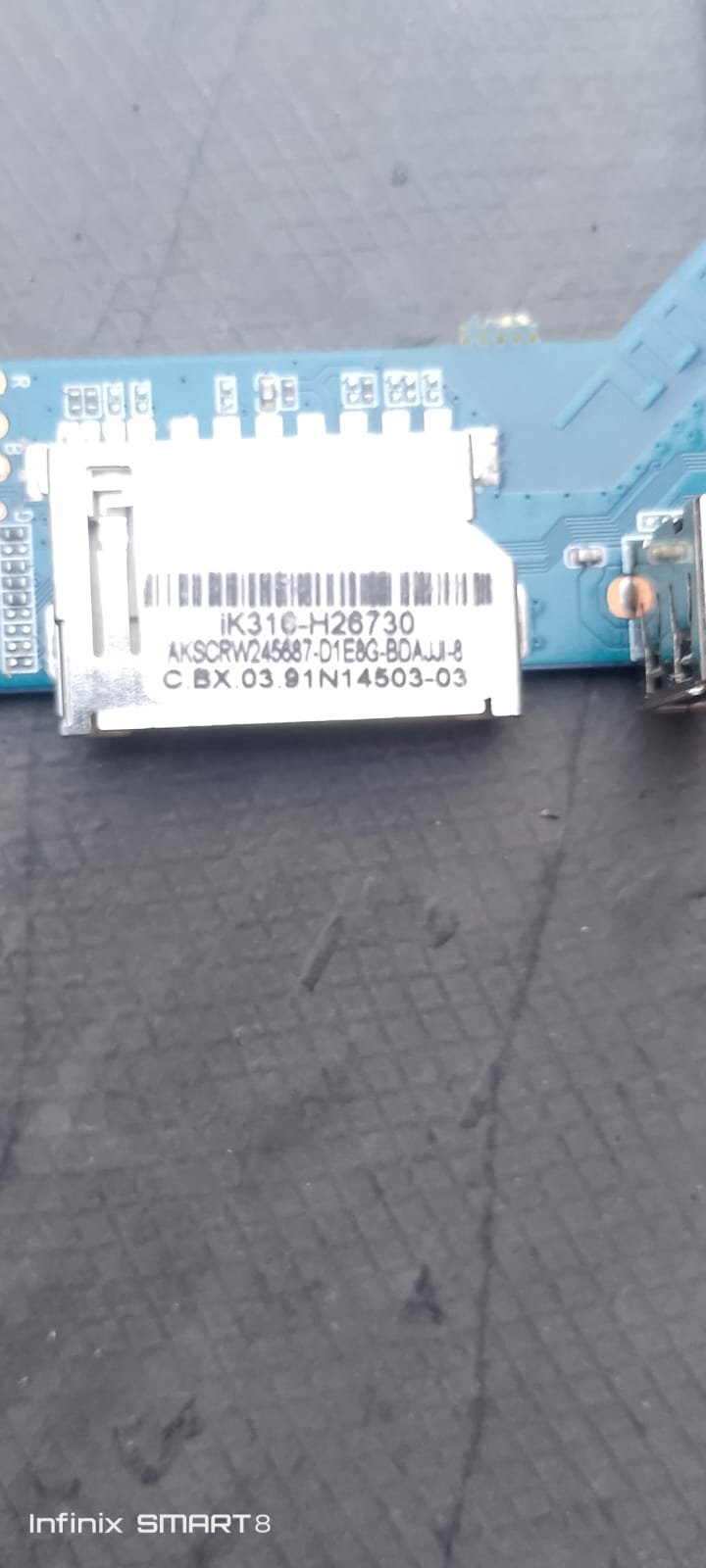
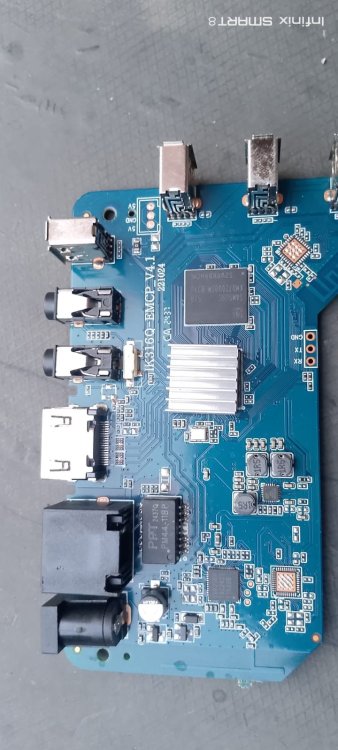
please help me I need firmware STB MXQPRO 4K 5G ADVANCE mainbord type IK316Q-EMCP_V4.1 221024.send me FW as the same board please,i need install for android tv.and tool I'have as I flash for 8 firmware while I install program full after reboot or shutdown then start again my stb did'nt start to menu.Thank's Best Regard brothers,.jpeg.40b0d79a49f98e9c83a5e45df94ee1ca.jpeg)
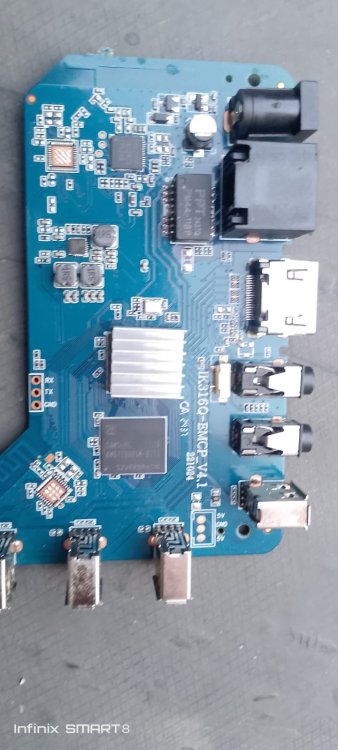
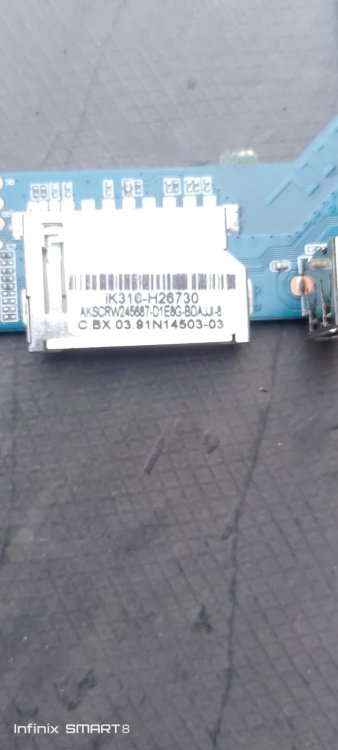
-
Hey @sivert. The Ubuntu "dkms" package is borked somehow. It removes the dkms config from the file system during kernel update. The Debian "dkms" package works as expected, it removes the modules and rebuilds them on kernel update. The bcmdhd driver is of -ähh- questionable code quality and will never made it in the official kernel. For that reason, I have added an internal package named bcmdhd-spacemit-sdio-dkms that contains driver source in /usr/src and a dkms.conf which is build and installed during Armbian compile.sh. Internal means: that package is installed during build but is not installable via Armbian package repo. Using "dpkg-reconfigure bcmdhd-spacemit-sdio-dkms" is a shorter command than the previously posted "dkms add, dkms build, dkms install" sequence. If your build does not include the bcmdhd-spacemit-sdio-dkms package and therefore does not have /usr/src/bcmdhd-spacemit-sdio-101.10.591.84.37-4/ directory, then something else is wrong here. HTH // Sven-Ola
-
Hi @sven-ola, thanks for the reply. Before you edited it, I have seen different set of commands to build the module. I'm not using ubuntu, I tried a debian trixie without desktop. I build the image few days ago and I have no exact command but it seems to be something like: ./compile.sh BOARD=orangepirv2 BRANCH=current RELEASE=trixie KERNEL_CONFIGURE=no BUILD_MINIMAL=no BUILD_DESKTOP=no and there is no (apt) package with bcmdhd in the name, I suppose that the older version of your post was helpful, because it was about compiling from the source. I just started a new build using: ./compile.sh BOARD=orangepirv2 BRANCH=current RELEASE=trixie KERNEL_CONFIGURE=yes KERNEL_GIT=shallow BUILD_MINIMAL=no SKIP_ARMBIAN_REPO=yes KERNEL_BTF=no INSTALL_HEADERS=yes I'll report the status later.
-

Gaming experience with Orange Pi 5 (RK3588) on Armbian
KhanhDTP replied to KhanhDTP's topic in Orange Pi 5
@Alex Ling Yeah, I hope it will boost the performance or compatibility even more. -
I don't have this device so I can only give generic advice. Set verbosity to 7 in /boot/armbianEnv.txt to get more details besides this unhandled SMC message. From what I've read over the years is that this device seems quite fragile and has lots of quirks in to get it halfway decently running. It would be not uncommon that (on first glance unrelated) upstream changes break something.
-
Today I upgraded my Helios64, and after reboot it didn't come back. (Waited for 5 minutes or so) After connecting a serial cable (via the USB-C connector), and rebooting, I saw a normal bootloader log (as far as I can see), but no kernel log, just a repeated 'ERROR: rockchip_plat_sip_handler: unhandled SMC (0x82000003)'. I rebooted again, to create a bootlog file, and I saw the same. Then suddenly, after a minute or so, I saw network activity, and my Helios64 was back. Now I have 3 questions. 1) Why didn't it boot twice, and then succeeded? 2) Why is there no kernel bootlog? 3) What is an unhandled SMC? The log ended with ERROR: rockchip_plat_sip_handler: unhandled SMC (0x82000003) ERROR: rockchip_plat_sip_handler: unhandled SMC (0x82000003) p104^Gp104^G Armbian 26.5.1 trixie ttyS2 helios64 login: So apparently the serial port is ttyS2. dmesg gave me this info: sudo dmesg | grep tty [ 0.000000] Kernel command line: root=UUID=d03fc106-73e9-4465-89a6-b23dbd26eddd rootwait rootfstype=btrfs splash=verbose console=ttyS2,1500000 console=tty1 consoleblank=0 loglevel=1 ubootpart= usb-storage.quirks=0x2537:0x1066:u,0x2537:0x1068:u cgroup_enable=cpuset cgroup_memory=1 cgroup_enable=memory [ 0.001587] printk: legacy console [tty1] enabled [ 1.986600] ff180000.serial: ttyS0 at MMIO 0xff180000 (irq = 31, base_baud = 1500000) is a 16550A [ 1.988766] ff1a0000.serial: ttyS2 at MMIO 0xff1a0000 (irq = 32, base_baud = 1500000) is a 16550A [ 1.988911] printk: legacy console [ttyS2] enabled [ 7.930510] systemd[1]: Created slice system-getty.slice - Slice /system/getty. [ 7.934926] systemd[1]: Created slice system-serial\x2dgetty.slice - Slice /system/serial-getty. [ 7.938724] systemd[1]: Expecting device dev-ttyS2.device - /dev/ttyS2... [ 8.771412] systemd[1]: Found device dev-ttyS2.device - /dev/ttyS2. Is it normal that there are 2 legacy consoles enabled? minicom.cap
-

Gaming experience with Orange Pi 5 (RK3588) on Armbian
Alex Ling replied to KhanhDTP's topic in Orange Pi 5
In addition, there's a develop branch for the VK_EXT_transform_feedback extension. It is another important requirement for DXVK. -
I see no clear error, only something with hdmi-audio-codec, but that is somehow expected AFAIK with mainline based rockchip64 kernel. I think Xfce is X11 and others default to wayland. You can try KDE in X11. 4K is not fully mainlined AFAIK, but you need to check yourself. You can try an edge kernel, is 7.1.x based, maybe it fixes things. I have seen many such issues (RK3588 SoC) in the past, but thing are remarkably fine with 'latest Linux' (KDE6 1080p60, don't have a 4K monitor/TV).
-

NVMe not recognized on OrangePi 5 Pro with Armbian
eselarm replied to Folaht Pjehrsohmehj's topic in Beginners
I see several time the following log line: rk-pcie fe180000.pcie: PCIe Linking... LTSSM is 0x2 I do not know what it means, but the fact that is is listed quite often is a hint I would say. There is also an earlier failure w.r.t. PCIE Usually is it power of some incompatibility of the NVME SSD in conjunction with the RK3588 based board. OrangePi5 Pro has questionable device-tree support, that is what I remember. It might be better nowadays, but I guess you will need to try an see if you can get any OS working/recognizing the SSD. -
 Moved to off-topic.
 -
Hi @sivert! The downloadable Ubuntu noble image has a bcmdhd module for Wifi, so basically Wifi is working. While checking, I discovered that the bcmdhd kernel module is removed and not rebuilt during kernel update. You need to re-add it manually until I know whats wrong with that: dpkg-reconfigure bcmdhd-spacemit-sdio-dkms The bcmdhd automatic rebuild seems to work with the Debian Trixie image. Also, that "edge" Image is meant for devel. No UART, no devel so to speak 😉 HTH // Sven-Ola
-
 Hi everyone, I am developing an industrial system using a Raspberry Pi 5 (Raspberry Pi OS Bookworm). Because it is deployed in an environment with abrupt power cutoffs, I am facing an issue where the default pink and white splash screen randomly reappears during boot, overriding my configuration. Here is what I have already implemented to prevent this: Disabled Splash Screen: Added disable_splash=1 to /boot/firmware/config.txt. Read-Only File System: Enabled the native Overlay File System via raspi-config to protect the boot and root partitions from corruption. Industrial Hardware: Tested with high-end storage to rule out basic SD card degradation. The Problem: The system boots cleanly with no display text or logo for several cycles. However, after a few abrupt hardware power cutoffs, the pink and white splash screen unexpectedly pops back up during boot. Since the Overlay FS is active, config.txt should theoretically be protected from corruption or modification. My Questions: Does the Raspberry Pi 5 EEPROM/bootloader force the fallback splash screen if it detects an improper shutdown flag, completely bypassing the config.txt directive? Is there a specific EEPROM configuration parameter (via sudo rpi-eeprom-config -e) that permanently disables this splash image at the firmware level, rather than relying on the OS partition? Are there any known bugs with the Raspberry Pi 5 firmware where an unclean power-off resets certain video/boot states? Any insights into the Pi 5 bootloader behavior regarding dirty shutdowns would be greatly appreciated. Thanks!
 -
It would be super handy whilst also preconfiguring network / users / timezone ... that hostanem was in there also
- Yesterday
-

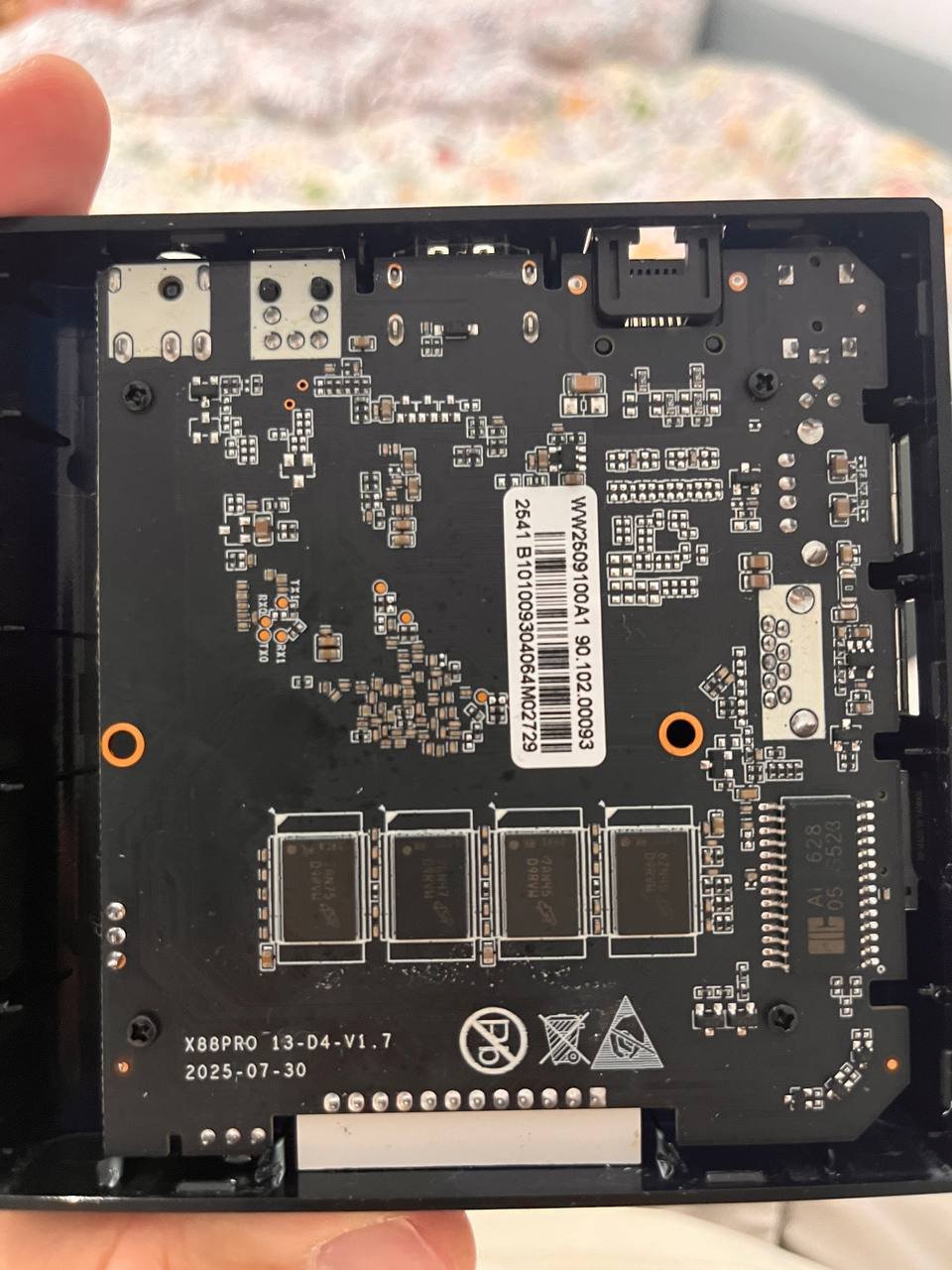
Rupa X88 Pro 13 - RK3528 board with images
serovan replied to fedes_gl's topic in Rockchip CPU Boxes
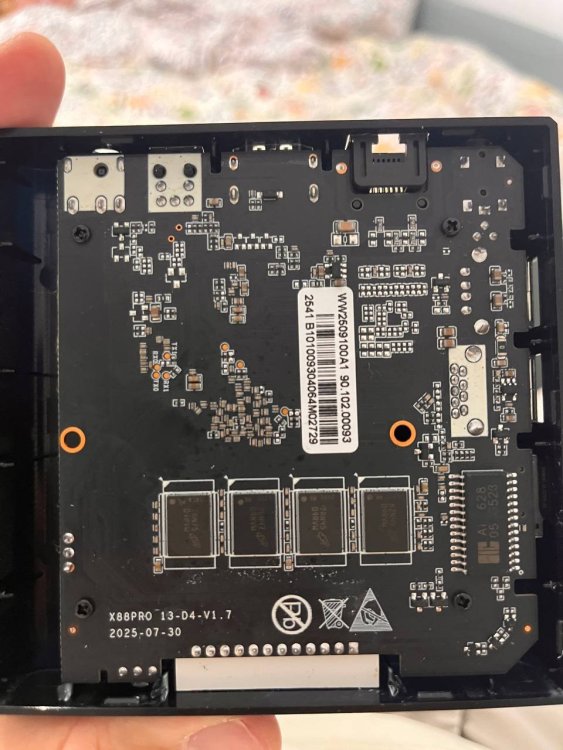
Hi, I have X88 Pro 13 hardware revision 1.7 and tested both Armbian releases v0.6 and v0.7 from the repository. Unfortunately, neither WiFi nor USB 3.0 are working. Hardware info: Device: X88 Pro 13 (Rev 1.7) WiFi chip: AIC8800 (device ID 0x6621, SDIO) Tested images: v0.6 and v0.7 What I tried: USB 3.0: DTB already has maximum-speed = "super-speed" configured USB 3.0 controller exists (Bus 002, 5000M) But only USB 2.0 PHY available (usb2-phy only, no usb3-phy) All USB devices connect to Bus 001/003 (480M) instead of Bus 002 USB Ethernet adapter limited to 100 Mbps Result: USB 3.0 not functional (no PHY in RK3528?) WiFi (AIC8800): Firmware present in /lib/firmware/aic8800/ Drivers load: aic8800_bsp_sdio, aic8800_fdrv_sdio SDIO device detected: mmc2:0001:1, device 0x6621 Error: aicbsp_platform_power_on fails with "fail to set AIC_WIFI power state to 1" No wlan0 interface appears Tried manual GPIO reset (GPIO1_6 = pin 38) - no effect WiFi (EA6621q/SKW drivers): Applied DTB patches from user 8lall0 (GPIO remapping for seekwcn_boot) Built ea6621q DKMS drivers successfully DTB patches verified correct: gpio_chip_en = GPIO1_6 Error: Kernel segmentation fault when loading/unloading SKW modules SDIO scan timeout: "wait scan card time out" Current status: ✅ Armbian boots successfully from SD card ✅ Ethernet via USB adapter works (100 Mbps) ❌ WiFi not working (power-on failure) ❌ USB 3.0 not working (no PHY available) Questions: Is Rev 1.7 supported? Are there different GPIO configurations needed? Does RK3528 actually have USB 3.0 PHY or only controller? Any suggestions for WiFi power issue with AIC8800? Thanks for any help!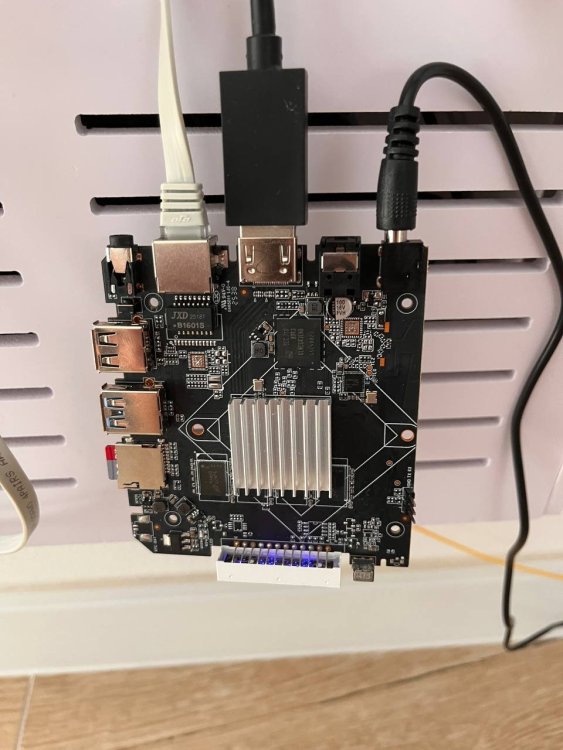
-
Hi, I'm new here. I tested official Orange PI image and it worked. Then I tried Armbian, the current version with 6.18.35 worked, but without WiFi. I tried the edge few times (today, yesterday) and every time there was no HDMI signal or the screen was blank - the green LED was blinking so I assumed that that the system booted. I have no UART converter to debug this now, but I noticed that few users had similar issue - I haven't found a solution. Did I missed something?
-
I just installed Armbian for the first time. I tried the Trixie-current-minimal at first, but that didn't want to start for whatever reason. Should I try installing an Ubuntu one? I'm clueless. [edit] I managed to get Trixie-current-minimal working. Same issue.
-
Hi there, I followed the instructions in section 4.1 to install it onto the memory card, but when I plug it into the TV box, it won't boot from the card. Could you please provide instructions again?
-
Providing logs with armbianmonitor -u helps with troubleshooting and significantly raises chances that issue gets addressed. and/or lspci output it might also be a power issue or just that you specific nvme does not work with non-vndor kernel also kernel is already at 6.18.35 for current rockchip, maybe see if that fixes something w,r,t, yiour nvme
-
As I have no board 2f to test it I made the image and dts blindly a bit... Image Fix to wifi card (I guess it should work)
-
Gaming experience with Orange Pi 5 (RK3588) on Armbian
Alex Ling replied to KhanhDTP's topic in Orange Pi 5
@KhanhDTP There's no pull request yet but they do have a preparation PR https://gitlab.freedesktop.org/mesa/mesa/-/merge_requests/41654 For DQ 11S, it's about 15 fps@1080p. The FPS varies depending on the gaming scenes. You can check out my video https://b23.tv/xvsMPqD -
I have same problem, even had rewrite the SPI boot admin@orangepi5:~$ strings /dev/mtdblock0 | grep "U-Boot SPL 20" U-Boot SPL 2026.04_armbian-2026.04-S88dc-P3cfe-H95ba-V7a4e-Bd0d2-R448a (Jun 11 2026 - 06:18:28 +0000) reboot but it doesn't show the nvme disk admin@orangepi5:~$ lsblk NAME MAJ:MIN RM SIZE RO TYPE MOUNTPOINTS mtdblock0 31:0 0 16M 0 disk mmcblk0 179:0 0 29.7G 0 disk └─mmcblk0p1 179:1 0 29.4G 0 part /var/log.hdd / zram0 252:0 0 1.9G 0 disk [SWAP] zram1 252:1 0 50M 0 disk /var/log zram2 252:2 0 0B 0 disk I am using v26.5.1 for Orange Pi 5 running Armbian Linux 6.18.8-current-rockchip64 Ubuntu stable (noble)
-
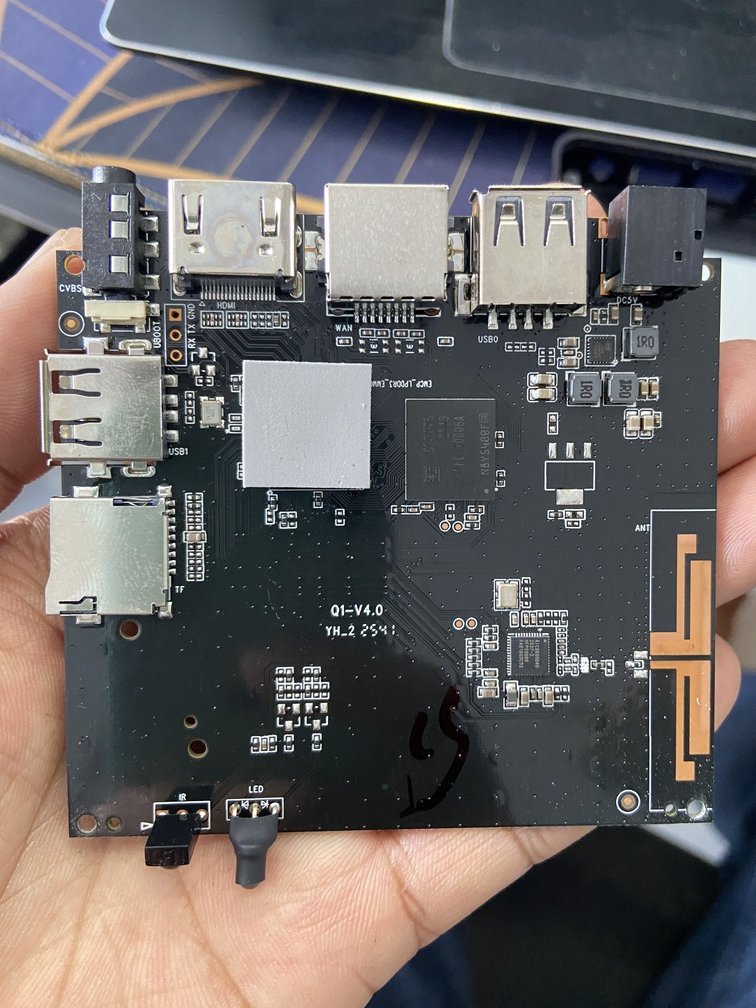
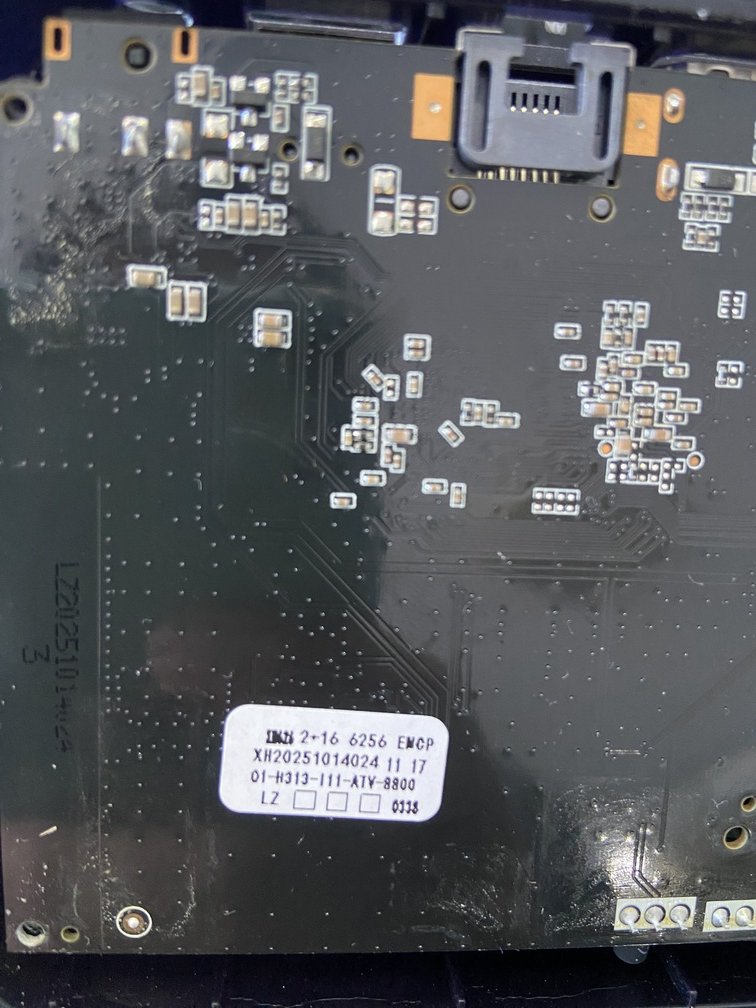
 Hello everyone, I am looking for the original firmware for my Q1 TV Box. Board information: Board: Q1-V4.0 CPU: Allwinner H313 RAM/Storage: 2GB + 16GB eMCP (Foresee) WiFi: SV6256P Sticker on PCB: Q1-H313-111-ATV-8800 XH20251014024 I have already tried searching on Needrom, but the available firmware is for Q1-V3.0 / A32 / A33 boards, and I am not sure it is compatible with my Q1-V4.0 board. Does anyone have the original firmware (.img) or know where I can download it? Thank you very much.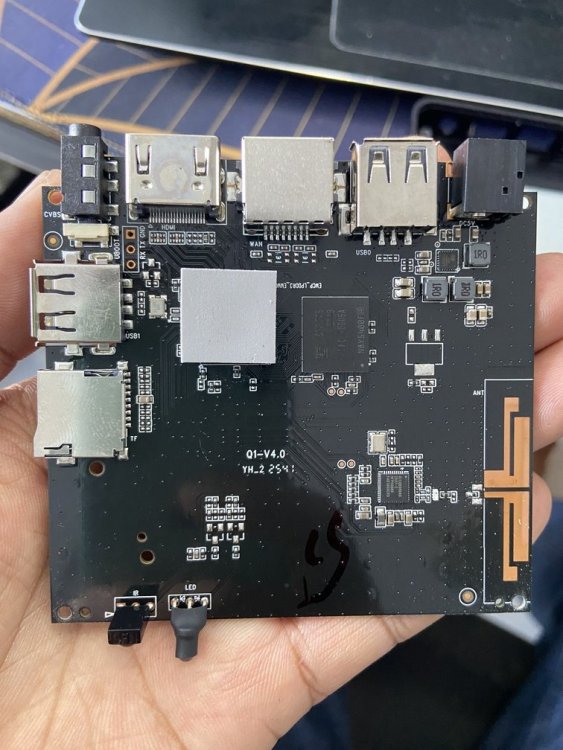
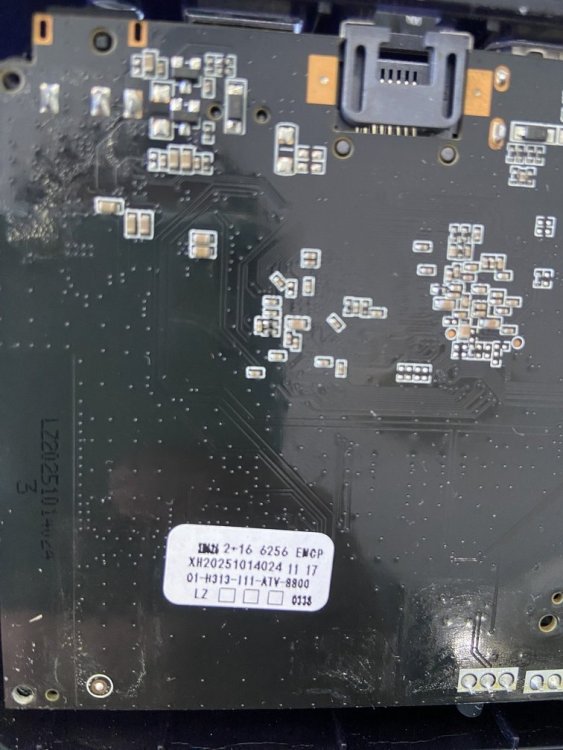
-
Gaming experience with Orange Pi 5 (RK3588) on Armbian
KhanhDTP replied to KhanhDTP's topic in Orange Pi 5
@Alex Ling wow, that's cool. I hope they will merge soon! How was the performance?!