Active threads
Showing topics posted in for the last 365 days.
- Today
-
 There aren't any Armbian builds for 5.15 is what I said. And it would be a lot of work to make that happen. Why do you want 5.15? How do you know that would work, when 6.12 doesn't?
 -
You can just download rock-3a edge(6.18+) images (not vendor 6.1) and change the device tree entry (sdcard/boot/armbianenv.txt) to point to "rockchip/rk3566-radxa-cm3-io.dtb" . This seems to boot fine with majority of features working.
-
 Get the recap of Nicolas Frattaroli's FOSDEM talk detailing Rockchip’s mainline progress, including Vulkan 1.4 and NPU support as a vital path to sustainable, affordable hardware. View the full article
 -

Armbian doesn't detect Orange Pi 4 lts all 4GB of ram
Kamar replied to Kamar's topic in Orange Pi 4 LTS
@Werner Sorry for disturbing. I found that my board is actually 3 gb variant. Removed the heat sink. It is actually 3gb variant. The problem was hardware. We can close this topic. -
 The Rock-s0 has the same rk3308b processor and the build uses a BL31binary, with u-boot. The SV06Ace has the same cpu and BL31/u-boot. I reviewed this thread and was trying to follow the example commit provided. It is a little difficult to work through a commit as not all of the paths to the files are present in my depth=1 git clone. Is it possible to download the commit for the Rock-s0 and use it to patch the build directory? If I could run the patch, then I would have some actual files to copy and edit. The maintainer of the Rock-s0, linked on the Armbian Info page for the s0 has not made any recent commits. The last Rock-s0 commit was where it was moved back to an older bootloader scheme. # Rockchip RK3308 quad core 512MB SoC WiFi BOARD_NAME="SV06 Ace" BOARD_VENDOR="sovol" BOARDFAMILY="rockchip64" BOARD_MAINTAINER="shep" BOOTCONFIG="sv06ace-rk3308_defconfig" BOOT_FDT_FILE="rockchip/sv06ace.dtb" KERNEL_TARGET="current" KERNEL_TEST_TARGET="current" DEFAULT_CONSOLE="serial" SERIALCON="ttyS0" MODULES_BLACKLIST="rockchipdrm analogix_dp dw_mipi_dsi dw_hdmi gpu_sched lima hantro_vpu panfrost" HAS_VIDEO_OUTPUT="no" BOOTBRANCH_BOARD="tag:v2024.10" BOOTPATCHDIR="v2024.10" BOOT_SCENARIO="binman" DDR_BLOB="rk33/rk3308_ddr_589MHz_uart0_m0_v2.07.bin" BL31_BLOB="rk33/rk3308_bl31_v2.26.elf" FORCE_UBOOT_UPDATE="yes" OVERLAY_PREFIX="rk3308" function post_family_config__rocks0() { declare -g BOOTDIR="u-boot-${BOARD}" declare -g BOOTSCRIPT="boot-rockchip64-ttyS0.cmd:boot.cmd" family_tweaks_bsp() { #overrides rockchip64_common.inc #Install udev script that derives fixed, unique MAC addresses for net interfaces #that are assigned random ones bsp=$SRC/packages/bsp/rockpis rules=etc/udev/rules.d Specifically, where are following files, referenced in /build/boards/*.csc located? BOOTCONFIG=*.defconfig" BOOT_FDT_FILE="*.dtb" The declared boot scripts Thanks
 -
What a nice picture! Would you be generous to post your NPU device info? I'm also looking for some w8a8 llm models working on NPU (the GEMM capability is perfect, isn't it).
- Yesterday
-
I am not familiar with these images as I normally self build with the Armbian framework. A trade off of falling back to the old kernel, do you know the chipset of the WiFi dongle? I recall the old Realtek drivers being a complete pain Potentially as the USB iD pin is already exposed within the DTS, however the driver still currently ignores this. It is what requires the most work. The only thing I can think of that the dwc2 overlay initializes suxni-musb underneath along with setting some additional configurations. If you can find where it is actually stored on the image then we can see what pieces are missing then see if it is actually a driver issues or the DTS definitions have changed. Which version of Windows are you using? I can only guess that whatever windows components supporting g_mass_storage are legacy and being removed. Ryzer
-
Welcome to Armbian! Documentation: https://docs.armbian.com | Community support: https://forum.armbian.com IP address: xx.x.x.xx Create root password: ***** Repeat root password: ***** Developer Preview Build This Armbian image was generated automatically for development and testing purpose. It may include unfinished features or unstable components. If you are not here to report issues or just test it, please do not use this image in production. Expect things to change — or even break — as improvements are made. Creating a new user account. Press <Ctrl-C> to abort Please provide a username (eg. your first name): Disabling user account creation procedure root@orangepi3-lts:~# rfkill ID TYPE DEVICE SOFT HARD 0 bluetooth bluetooth unblocked unblocked 1 wlan phy0 unblocked unblocked 2 bluetooth hci0 unblocked unblocked root@orangepi3-lts:~# bluetoothctl [NEW] Media /org/bluez/hci0 SupportedUUIDs: 0000110a-0000-1000-8000-00805f9b34fb SupportedUUIDs: 0000110b-0000-1000-8000-00805f9b34fb Agent registered [CHG] Controller 30:96:18:9E:A7:02 Pairable: yes hci0 new_settings: powered bondable ssp br/edr le secure-conn [bluetoothctl]> show Controller 30:96:18:9E:A7:02 (public) Manufacturer: 0x01ec (492) Version: 0x09 (9) Name: orangepi3-lts Alias: orangepi3-lts Class: 0x00400000 (4194304) Powered: yes PowerState: on Discoverable: no DiscoverableTimeout: 0x000000b4 (180) Pairable: yes UUID: Generic Attribute Profile (00001801-0000-1000-8000-00805f9b34fb) UUID: Generic Access Profile (00001800-0000-1000-8000-00805f9b34fb) UUID: SIM Access (0000112d-0000-1000-8000-00805f9b34fb) UUID: PnP Information (00001200-0000-1000-8000-00805f9b34fb) UUID: A/V Remote Control Target (0000110c-0000-1000-8000-00805f9b34fb) UUID: A/V Remote Control (0000110e-0000-1000-8000-00805f9b34fb) UUID: Device Information (0000180a-0000-1000-8000-00805f9b34fb) Modalias: usb:v1D6Bp0246d0554 Discovering: no Roles: central Roles: peripheral Advertising Features: ActiveInstances: 0x00 (0) SupportedInstances: 0x10 (16) SupportedIncludes: tx-power SupportedIncludes: appearance SupportedIncludes: local-name SupportedSecondaryChannels: 1M SupportedSecondaryChannels: 2M SupportedSecondaryChannels: Coded SupportedCapabilities.MinTxPower: 0xffffffec (-20) SupportedCapabilities.MaxTxPower: 0x0008 (8) SupportedCapabilities.MaxAdvLen: 0xfb (251) SupportedCapabilities.MaxScnRspLen: 0xfb (251) SupportedFeatures: CanSetTxPower SupportedFeatures: HardwareOffload [bluetoothctl]> exit root@orangepi3-lts:~# uname -a Linux orangepi3-lts 6.12.74-current-sunxi64 #6 SMP Thu Feb 19 15:29:56 UTC 2026 aarch64 GNU/Linux
-
Vendor kernel will stay for awhile (this year for sure) as mainline is not on this level yet. This part might not be part of the release - you can grab it from nightly release - but most likely it won't have any affect to this topic.
-
Welcome to the latest Armbian Newsletter, your source for updates, community highlights, and behind-the-scenes news from the world of open-source ARM and RISC-V computing. Streamlining the ecosystem This past quarter development has taken a significant step forward for Armbian. We've been busy cleaning up and optimizing our codebase, merging over 150 improvements primarily focused on advancing kernel support for Rockchip and Allwinner platforms. A significant secondary effort was dedicated to modernizing the project's infrastructure and build tools, driven largely by a core group of dedicated contributors. Hardware support continues to expand. We're thrilled to introduce new LTS kernel v6.18 based images and support for exciting new boards like the SpacemiT MusePi Pro, Radxa Rock 4D, Orangepi RV2, Odroid M2, ... We've also brought back KDE Neon desktop builds and added RISC-V XFCE desktop support for those exploring new territory. Our user tools have received major upgrades too. Armbian Imager now features faster decompression, enhanced security with code signing for macOS and Windows, AI-powered translations, and a new settings panel with developer options. Behind the scenes, we've strengthened our build infrastructure to keep everything running reliably as we grow. Whether you're trying the new stable kernel or experimenting with our latest builds, this update reinforces our commitment to delivering a professional, accessible Linux experience for ARM and RISC-V hardware. Join Armbian at Embedded World 2026. Meet us in Hall 3, Booth 3-556 (Seeed Studio), where we’ll be showcasing the Armbian build framework and how it powers reliable, production-ready Linux for ARM devices. Download the latest release and experience Armbian today. SPONSORED Join us in making open source better! Every donation helps Armbian improve security, performance, and reliability — so everyone can enjoy a solid foundation for their devices. Release v26.2.1 · armbian/buildChanges sunxi: refactor full patchset. by @EvilOlaf in armbian/build#9219 “get completely rid of dead code toolchain stuff”, pt2. by @rpardini in armbian/build#9218 “get completely rid of dead cod…GitHubarmbianForget third-party utilities: meet Armbian ImagerArmbian Imager eliminates the guesswork from flashing SBC images. Real-time board detection, persistent caching, and built-in safety make installation fast, simple, and risk-freeArmbian blogDaniele BriguglioArmbian 2025: by the numbersOpen hardware is growing faster than ever and breaking in new ways. 2025 has been a productive year for the Armbian project. As the Single Board Computer ecosystem continues to fragment and expand, Armbian has consolidated its position as the universal glue holding the open-source hardware world together. Our missionArmbian blogMichael RobinsonThe Evolution of SBCsThe Evolution of SBCs: From Hobby Boards to Edge Computing Over the past two decades, single-board computers (SBCs) have transformed from experimental maker tools into the backbone of modern embedded and edge systems. What started as a handful of affordable hobby boards has grown into a diverse ecosystem powering automation,Armbian blogMichael RobinsonView the full article
-
Hi all, I've spend a few evenings playing with the Armbian build-system and OPI4a, mainly trying to get Ethernet working reliably. There are two issues I've found: (almost) every second boot there are errors with PHY access (as if there was a race somewhere), neither DHCP nor static IPs are working (in scnerios when there are no issues with PHY). I've mainly focused on comparing Devicetrees to OrangePis' sources, and from newbie perspective, at least Ethernet part seems pretty complete. The next logical step would be to focus on the driver, but I figured, I'd ask if maybe someone has also been trying to work it out, and proceeded further? I'd appreciate any ideas of what I should check next.
-
Thanks to whom it may concern. I downloaded the today's version and it did connect..
-

Gaming experience with Orange Pi 5 (RK3588) on Armbian
KhanhDTP replied to KhanhDTP's topic in Orange Pi 5
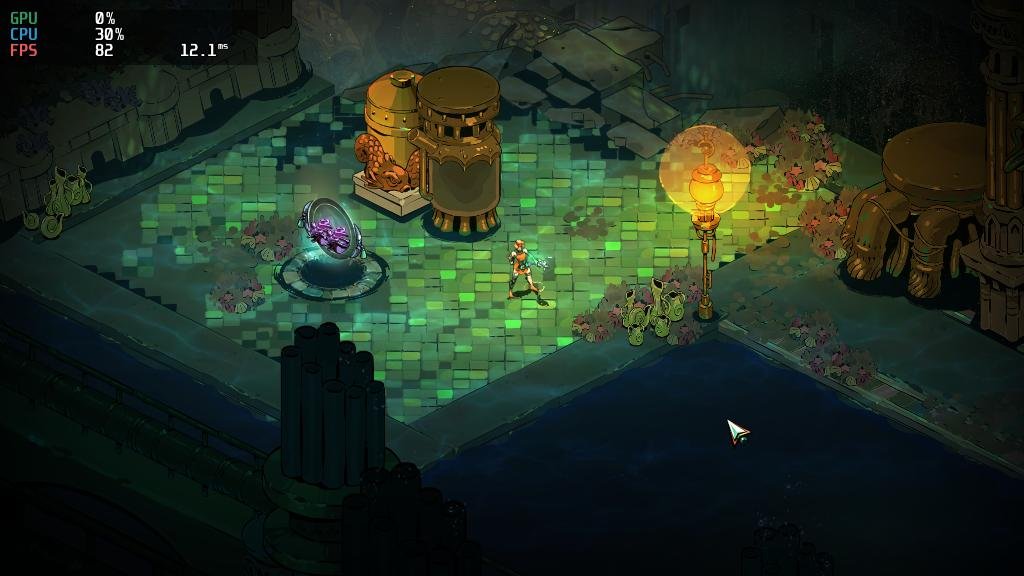
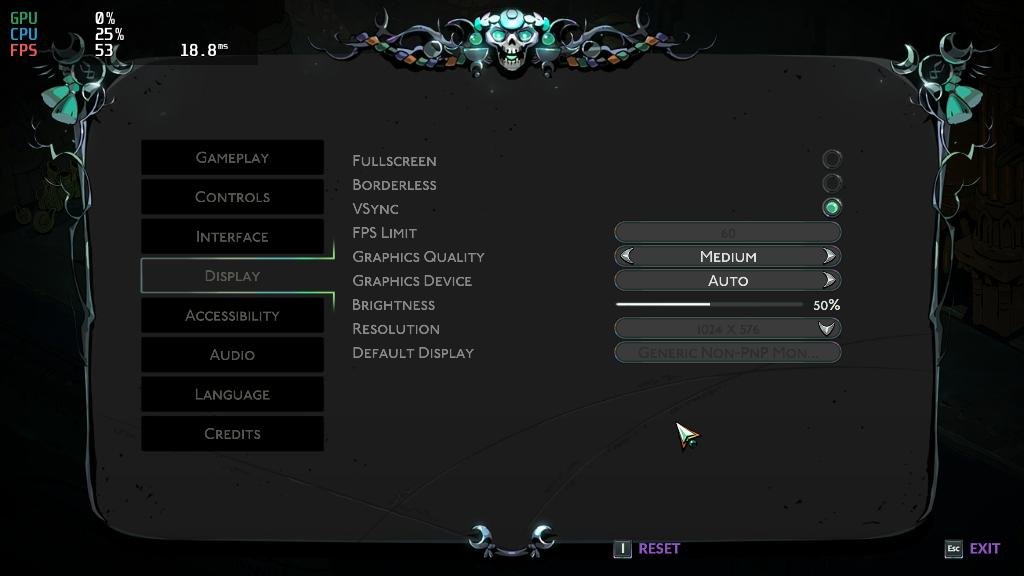
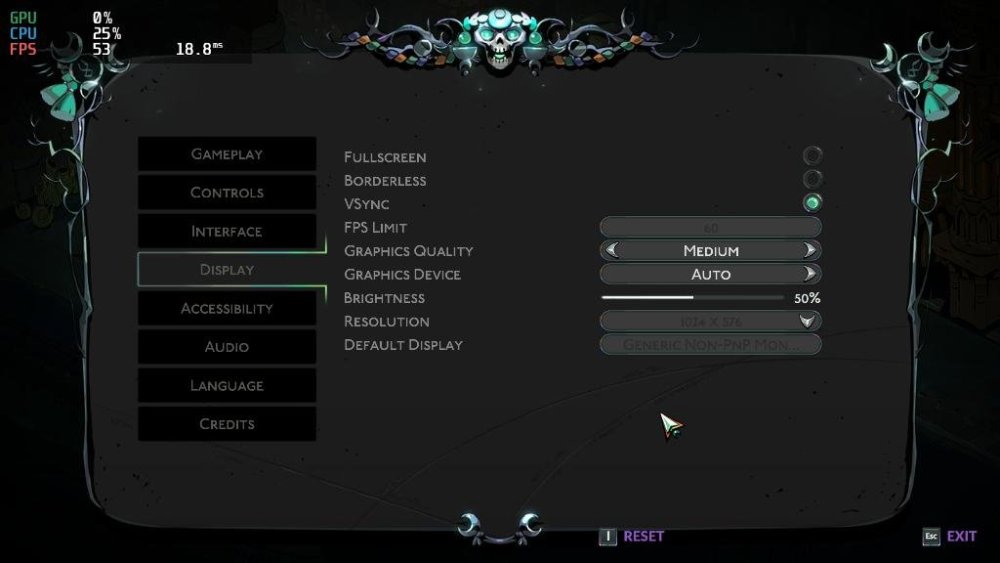
Armbian 25.11.2 Noble XFCE (BSP Kernel: 6.1.115) + PanVk - mesa 26.0 (https://launchpad.net/~ernstp/+archive/ubuntu/mesaaco) + Box64 arm64 v0.4.1 ed9827920 (https://ryanfortner.github.io/box64-debs/) + wine-11.3-staging-tkg-amd64-wow64 (https://github.com/Kron4ek/Wine-Builds/releases/tag/11.3) + vkd3d-1.19 (wine's built-in) ~60fps@1024x576 (medium settings) Hades 2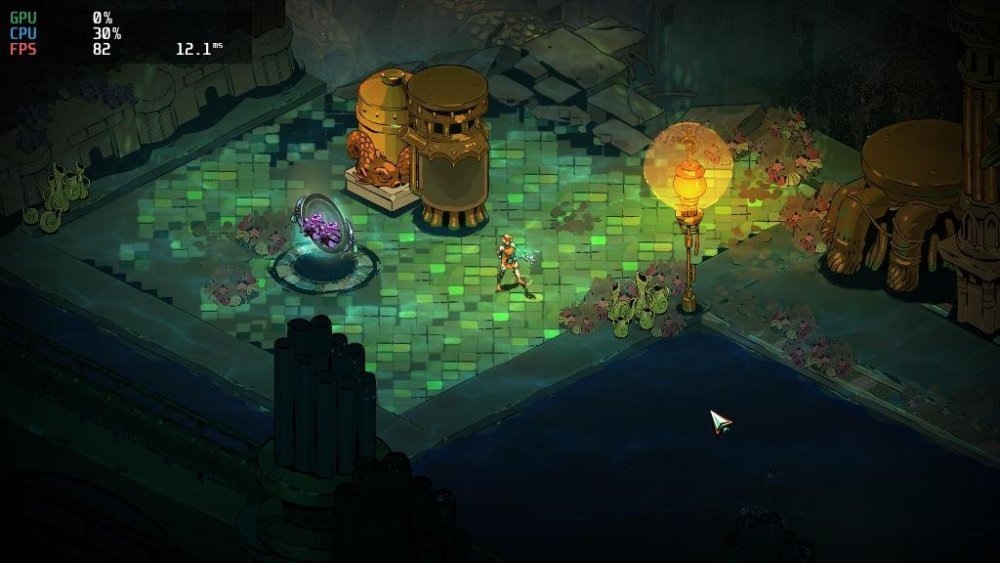
-

Missing keys when running apt-update
technik007_cz replied to Luna the Deer's topic in Libre Renegade
Hi, I redownloaded the key and replaced it, and it works! - Last week
-

Clarification on GPL 2.0 License Applicability
tparys replied to Clark McCauley's topic in Off-topic
GPL requires source code be offered for any software distributed. Changes to the build system probably aren't covered, but a modified DTB probably is. The final image also has the Linux kernel and other GPL components, so that definitely is. Bottom line is that GPL is supposed to be permissive. DTS is easily gotten from DTB. And you're probably good as long as you're not being a jerk about it. If that bothers you, you could also make a overlay (dtbo) and just patch the DTB on boot. You'd avoid the custom image and also make it more clear that your DTB is tweaked. -

Has anyone had any luck with the Radxa Cubie a5e and Armbian?
Meestor_X replied to Meestor_X's topic in Allwinner sunxi
While attempting, using AI, to see if there were DTS changes that could help this (spoiler: there aren't), it came up with some DTB changes that it claims need to be made for the board's stability. Maybe someone who understands these things can see if they got it right? Also, does the new allwinner update for armbian help/fix any of the cubie's USB/Power issues? https://github.com/armbian/build/pull/9381 a5e-armbian-DTS.patch -
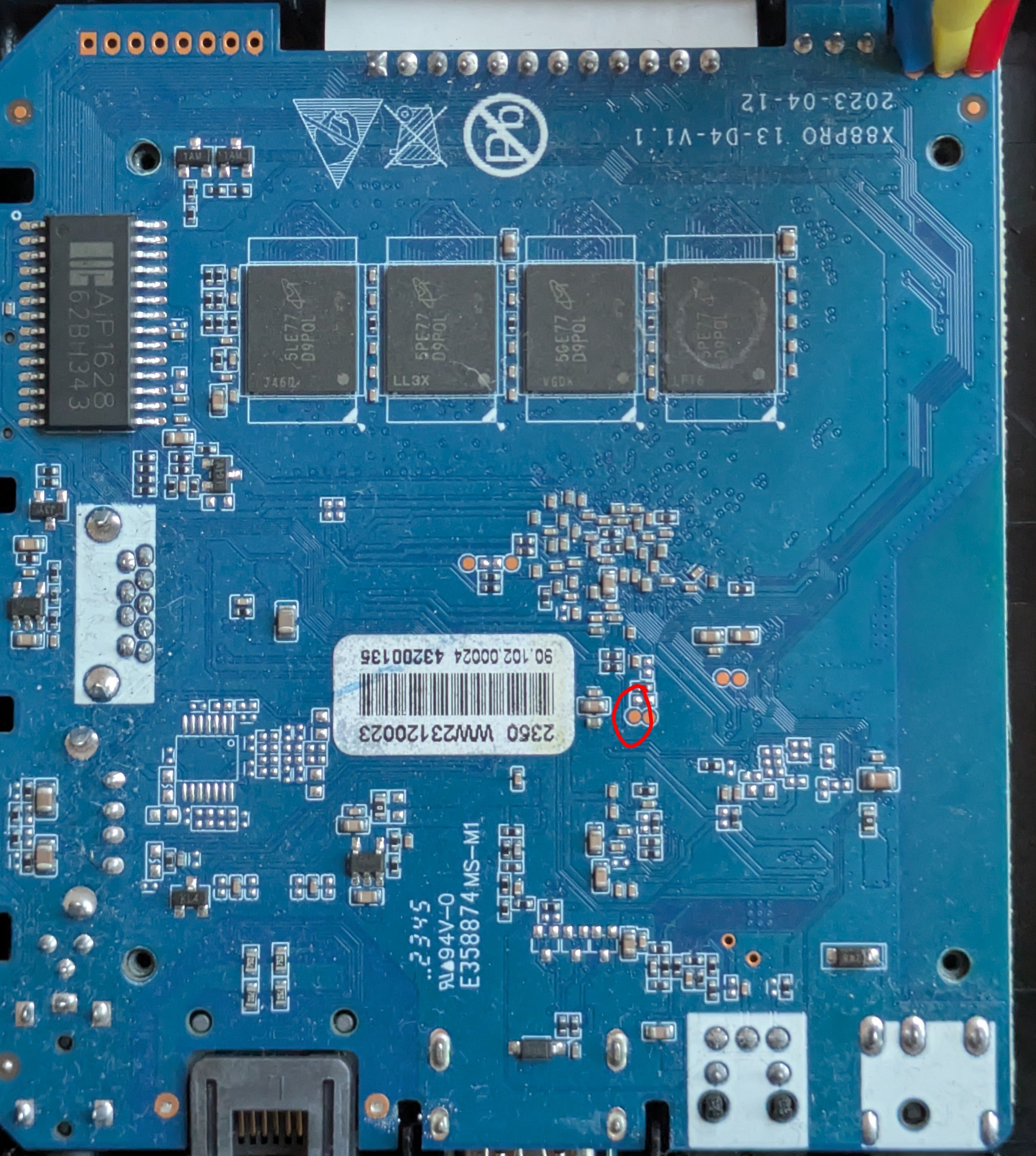
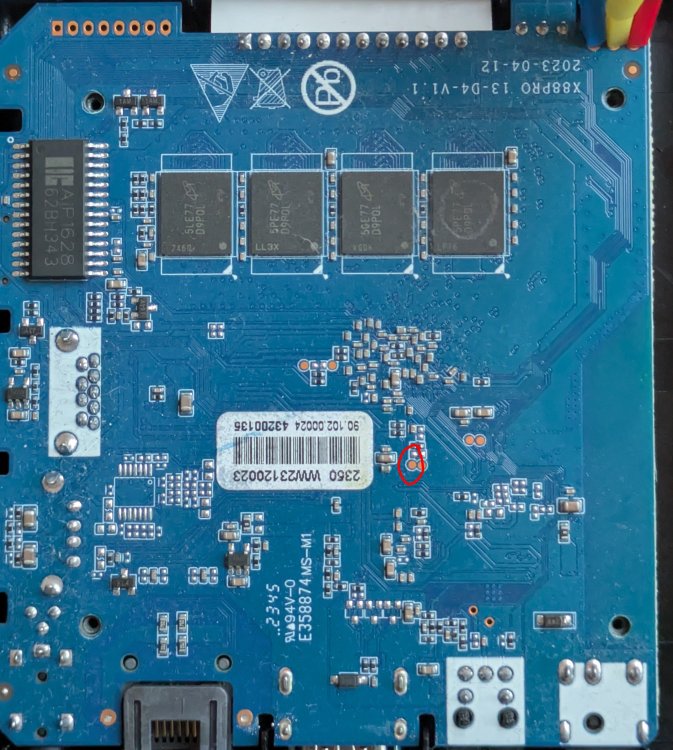
I finally managed to boot in Maskrom mode by shorting the clock pin (red circle on the picture) to ground, then loading the loader (rk3528_spl_loader_v1.07.104.bin) and u-boot with rkdeveloptool.
-

Is the NanoPC-T6 Plus compatible with the NanoPC T6 LTS image ?
magic_sam replied to magic_sam's topic in NanoPC T6 LTS
Dear @Werner , I have just created an issue on Github to keep track of this discussion: https://github.com/armbian/build/issues/9446 Is it safe to try possibly unsupported images on the NanoPC-T6 Plus ? It's a relatively expensive piece of kit and I'd rather not take any chances (new LPDDR5 RAM: possibly new memory timings, etc.) Best regards, Samuel -
Timezone for Iceland
Igor replied to Björn Eiríksson's topic in Framework and userspace feature requests
... problem is elsewhere. This is running: sudo dpkg-reconfigure tzdata in CLI (Armbian Noble), choosing region Atlantic, then: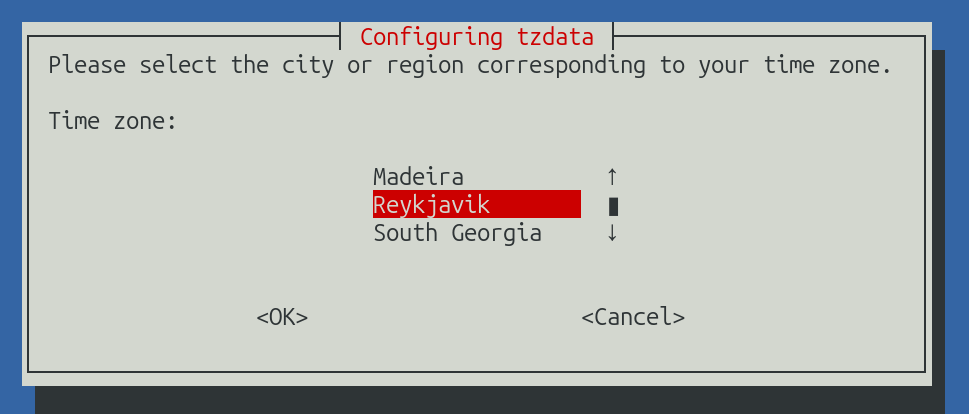
-
 So I need to know what I have to do to get MIDI messages into my music app that I'm working on. I developed a cli synth app on Manjaro using SDL3 and Jack. Jack I used to connect to MIDI aka 'MIDI-Bridge' or MIDI Through and an external program to produce MIDI messages sent to MIDI Through. I am currently trying to do the same on the actual device I wish to use which is the OrangePi 4 LTS I have spare with just bare bones Armbian Server, no desktop. I have audio working through Pipewire. I am used to Jack just being available because Pipewire intercepts and handles the calls behind the scenes. I noticed that on Armbian I think I have to use the 'pw-jack' program or jack-play goes into an eternal and uninterruptible error loop (I have to kill it through another terminal). Note: I am developing this program in Zig. Am I doing all of this the wrong way? Is there some system process I have to start? Or something I haven't installed?
 -
I'm putting together a build for a 3D printer, rk3308b-s board that has no ethernet, just a Fn-link wifi chip that is a knock-off of an rtl8192fs. I pulled the OEM dts and it describes the chip as an rtl8192cs. I'm pretty sure this is an out of kernel driver and my searches indicate I put source in userpatches. What do I need to add in the board/*.csc file to build to an image with the kernel module(s)? I do have a ralink ra2400, a mt7201 and some supported realtek dongles and If connected, I could git the code build and moprobe the module to test. Ideally, I would like to incorporate the driver via dkms in a armbian build. Can someone point me to the process?
-
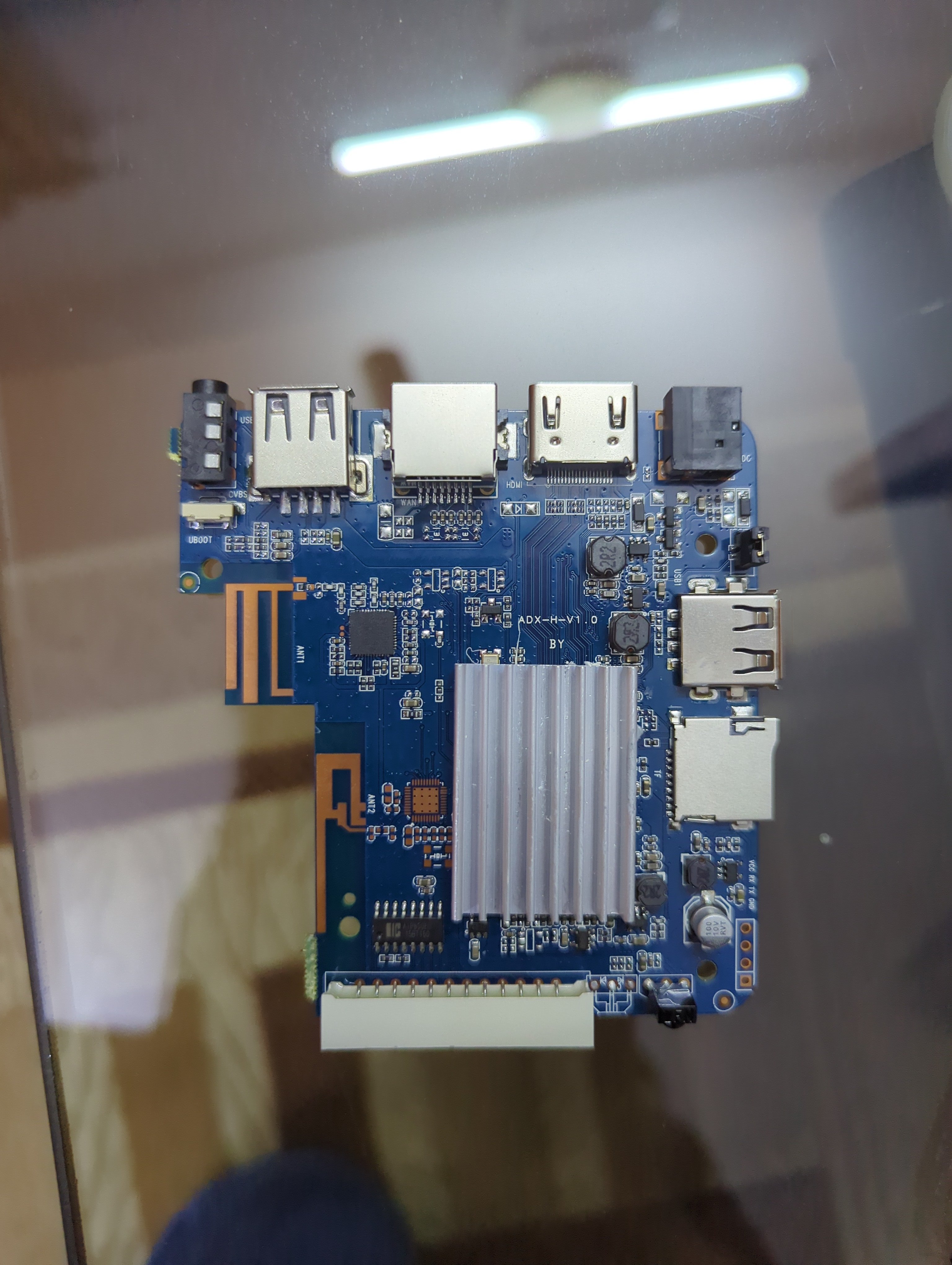
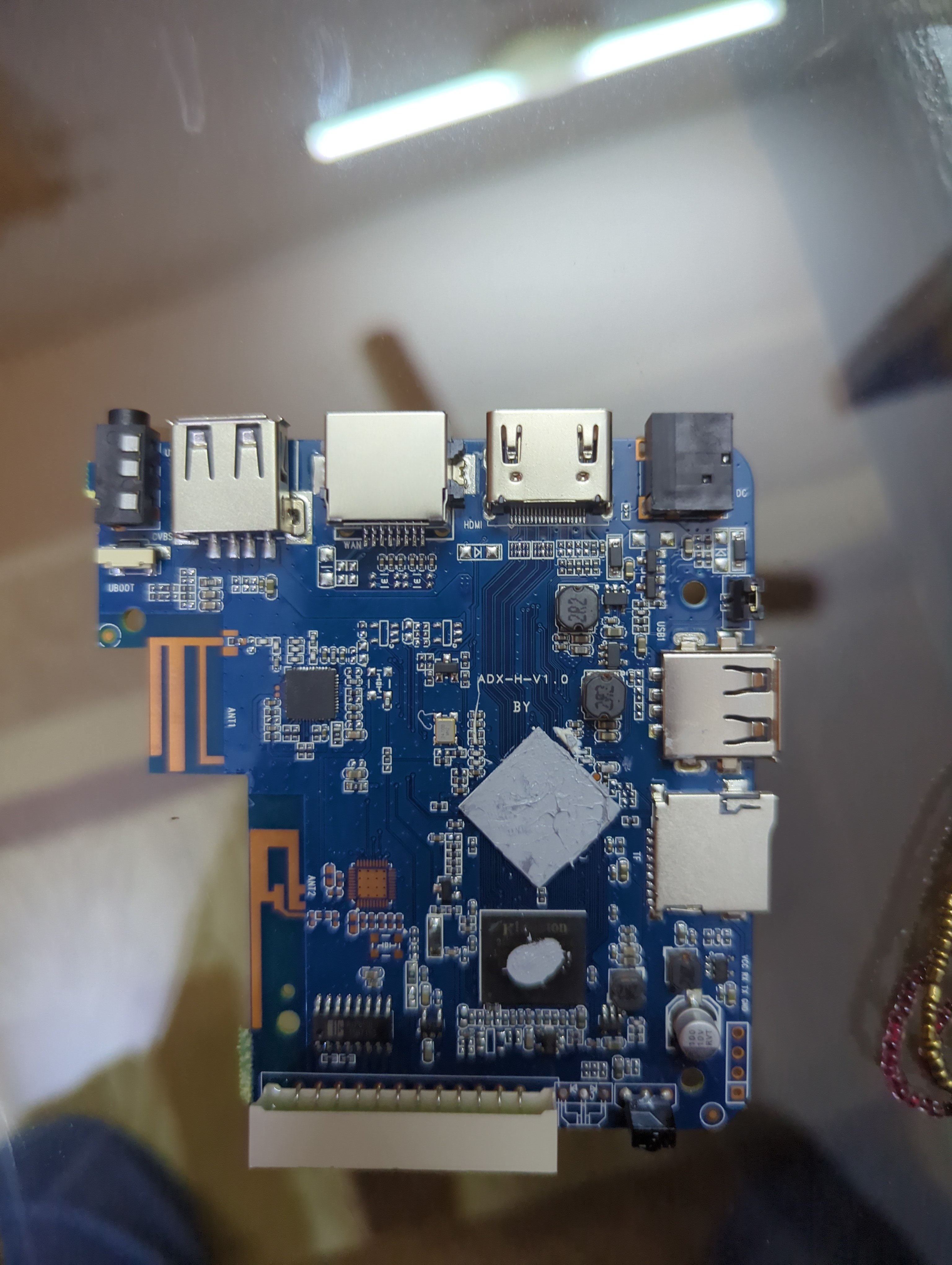
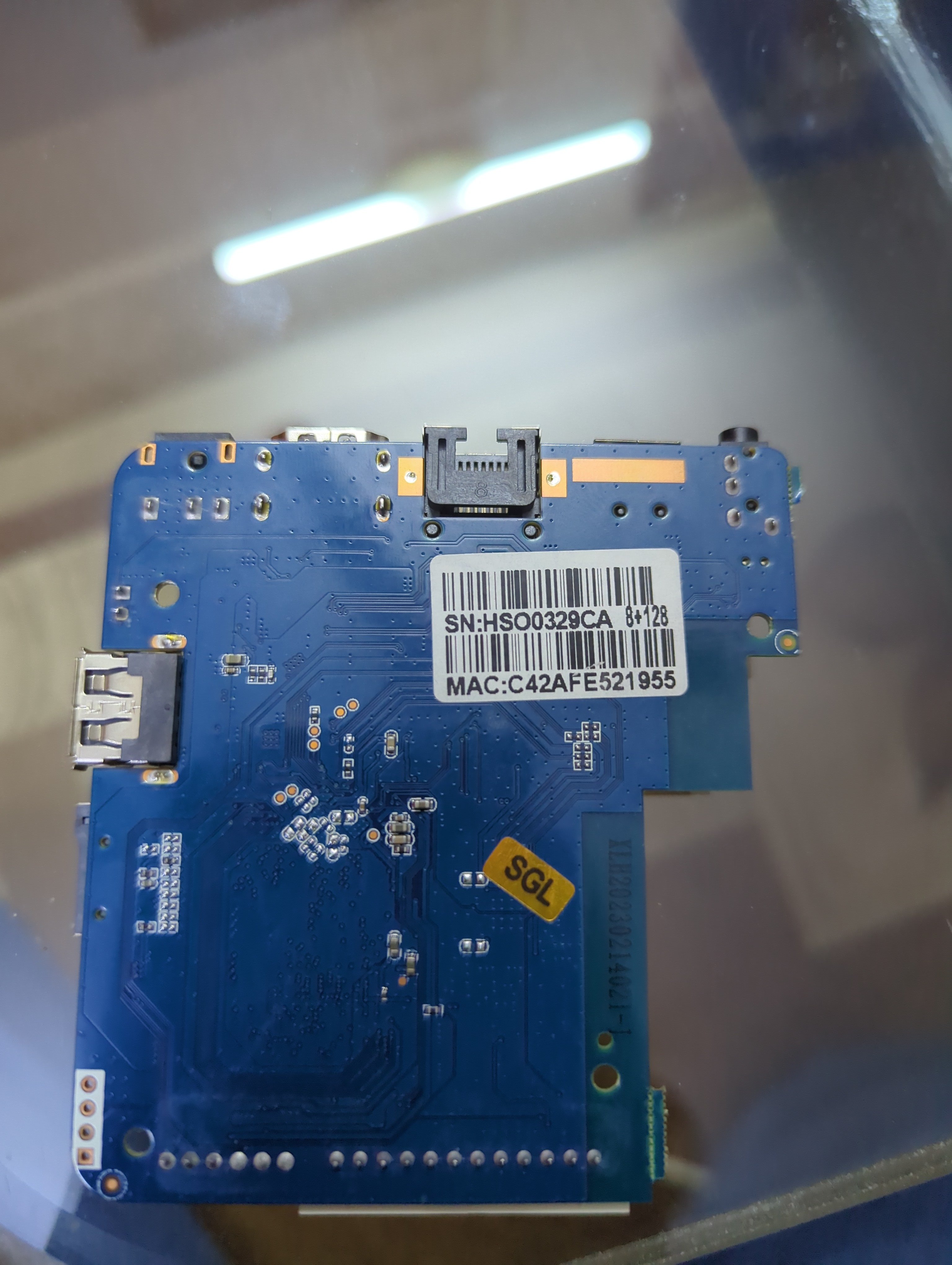
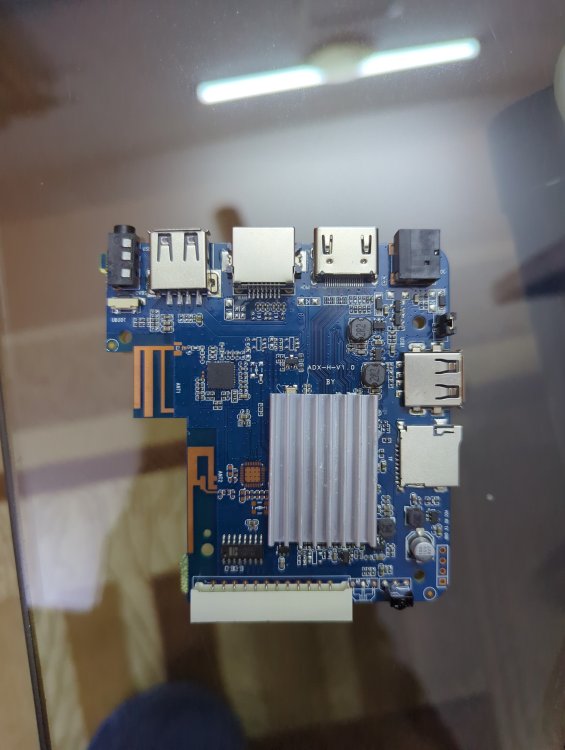
Basically it has 1 gb ROM 8gb ram h3 chip and I HAVE put many img files on SD card NONE of them boot and as soon as I take the SD card out it boots into android perfectly fine... I'm lost on words and what to do I have also tried FEL mode on linux but the request times out with error -7 power supply is 5v 2a which is fine for this so not that and I'm using a 256gb a1 rated SD card. This is from a generic Chinese tv box called meecom and it has ADX-H-V1.0 written on it. I also changed the dtb files a lot but it still gave no display or sign that it was booted into armbian idk what to do help ( btw I repasted it that's why it has no thermal putty on it)
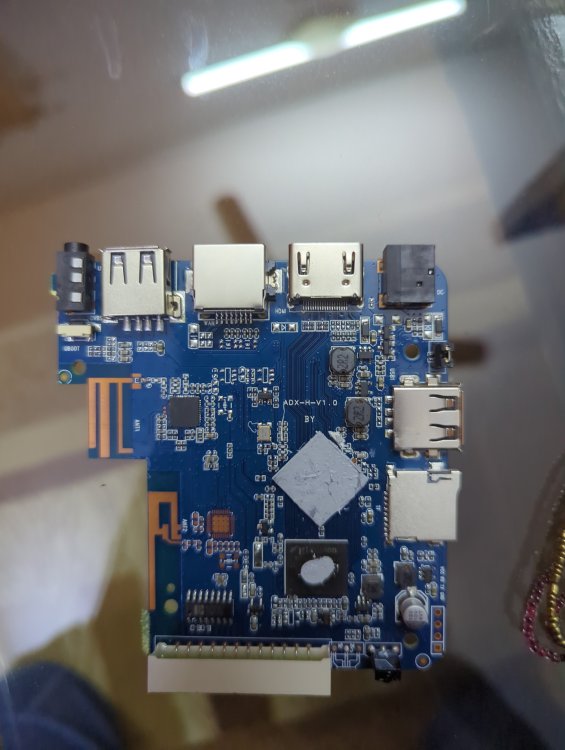
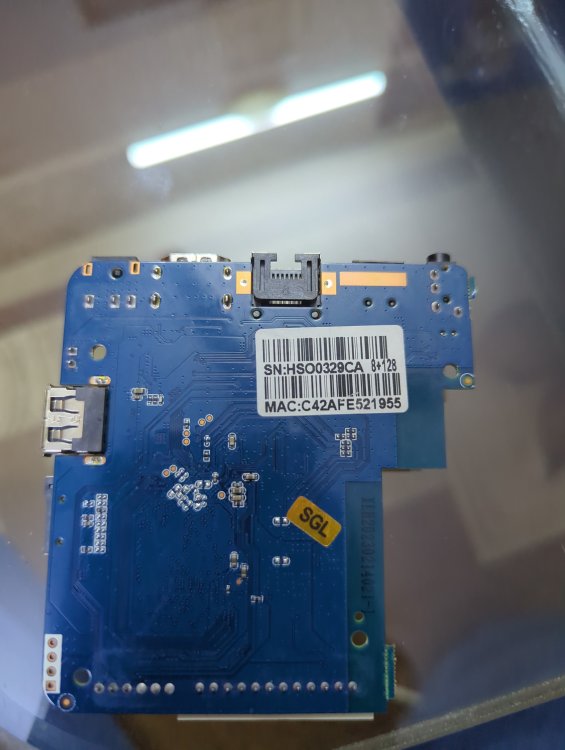
-
-
 I haven't got my head around what the differences are with -copy options. I'm able to use drm-copy but it produces a small stutter when watching 1080p hevc content whereas drm is very smooth. As previously mentioned, drm-copy does allow mpv to display videos with problematic file widths instead of just a black screen. I don't understand it all enough to know why that is.
 -
I think building a new image is probably beyond me at the moment. I uninstalled the existing headers, rebooted and installed the updated headers and rebooted. The issue persists. I'm just going to give up on it. I don't really need to LCD display to work. I just wanted confirmation I wasn't missing something stupid. Thanks.