Active threads
Showing topics posted in for the last 365 days.
- Past hour
-
Hey! Got it up and running - I have an Armbian SD card image based on the source trees found on https://github.com/orangepi-xunlong. Since I am a newbie to Armbian, please accept my apologies for beginner errors. Here's what I currently got on my UART: root@orangepirv2:~# uname -a Linux orangepirv2 6.6.63-current-ky #1 SMP PREEMPT Tue Mar 18 02:29:27 UTC 2025 riscv64 GNU/Linux root@orangepirv2:~# cat /etc/os-release PRETTY_NAME="Armbian-unofficial 26.02.0-trunk trixie" NAME="Debian GNU/Linux" VERSION_ID="13" VERSION="13 (trixie)" VERSION_CODENAME=trixie DEBIAN_VERSION_FULL=13.2 ID=debian HOME_URL="https://www.armbian.com/" SUPPORT_URL="https://forum.armbian.com" BUG_REPORT_URL="https://www.armbian.com/bugs" ARMBIAN_PRETTY_NAME="Armbian-unofficial 26.02.0-trunk trixie" This is not ready for prime time now. Needs a bit cleanup b/c I pulled in binaries and private project stuff not meant for armbian-build. Currently resides in this fork https://github.com/sven-ola/armbian-build/tree/orangepi-rv2. If you want to give it a try: it's compile.sh opirv2 after checkout. I've also managed to boot from the top 2230 M.2 SSD but this is also handmade (I'm pretty sure there is a script in here that copies the SD card boot blobs to SPI flash, will try before doing the MR). Best // Sven-Ola
- Today
-
Where did you get the image "Armbian 25.11.2 stable 6.1.115-vendor-rk35xx"? Do you have the filename? Rock 5c image files look like this "Armbian_25.11.1_Rock-5c_trixie_vendor_6.1.115_minimal..." Is it a minimal or desktop? I can build you an unsupported image using the uBoot config from rock-5b, and you can test if it works, however that is about the limit of what I can do because I don't have an NVME hat or a SPI flash module or the lite version of the radxa rock 5c or experience with the SPI subsystem. If you let me know minimal or desktop, I will build it. The rock-5b SPI uboot compile config suggested by Werner is for the mainline uboot and may not work with the uboot using spl-blobs although I think it might. The NVME hat may not have the same device tree overlay as the built in NVME on the rock-5a. There is no reason to believe that the rock-5a-spi-nor-flash device tree overlay for the rock-5a will work correctly for the rock-5c. However you seem to indicate that the SPI module and NVME is working/accessible using the vendor kernel. This does not mean that they will work with uBoot. This may be relevant https://forum.armbian.com/topic/47090-radxa-rock5c-pentahat-and-emmc Building Armbian yourself is pretty easy if you want to experiment with current and edge mainline kernels. https://docs.armbian.com/Developer-Guide_Overview/
-

Efforts to develop firmware for H96 MAX V56 RK3566 4G/32G
GBEM replied to Hqnicolas's topic in Rockchip CPU Boxes
Hello, fellow H96 musers. I've just acquired a 4G/32G H96 Max V56, and tried to flash an image that works on an earlier 8G/64G H96 Max V56, using the appropriate 4G booloader rather than the one I used for the 8G. The HAOS image boots fine, but everything about the Ethernet and WiFi must be wrong, as I have no networking hardware configured. I'm curious to know if there are differences between the 4G/32G board and the 8G/64G, other than eMMC size, that might account for the above outcome? There was some early mention of 'type 1' and 'type 2' 4G/32G boards early on in this thread. Could I be using an inappropriate device tree source configuration for my 4G/32G board? If that's not it, then the only other thing I can think of, is that the 4G/32G board I recently acquired has different WiFi/Bluetooth and Ethernet chips fitted, and the drivers from my 8G/64G build aren't suited? 8G/64G H96 Max V56 PCB: LP6E27116A0 Wifi/BT: HC16335, S3144335 Ethernet: Realtek, RTL8211 4G/32G H96 Max V56 PCB: LS6E28533A0 Wifi/BT: SKI.WB800D80S.1_D40, 2023AP20230(M) Ethernet: Maxio, MAE0621A-02C Thoughts, board type clarification, or driver suggestions, anyone? GBEM 👽 p.s. If anyone has the stock rom for this box I'd be entirely grateful. Through absent mindedness, I foolishly didn't preserve mine. -
In fact, image boot very well with minimal change. (dtb change and something about virtual console) It' s after 🥲
-
They are not empty. You need to go one level deeper: https://armbian.nardol.ovh/dl/tinkerboard/archive/ BTW, try https://github.com/armbian/imager It will be much easier.
-
Well, I finally used some disk drives to move the btrfs data live, repartition with GPT using a vFAT and btrfs partition with 16MB offset of u-boot before the first partition, so with this boots automatically, and I guess more mainline. Thanks @eselarm for your comments, I'll these variables later.
-
This is NOT a support request, more of a brag. Needing a backup system, I was enamored of the low power requirements to run the bpi-m5. But they have no sata ports to drive bigger SSD's. But I bought a 5 stack of 4Tb TMSC built SSD drives at $200/copy, figuring on using a USB3.2 hub and startech's usb3.2 to sata adaptors, a big drive cage and a 50 watt 5 volt psu. More than 3 drives plugged in was too much current for the hub, itgot hot & shut down, so I bought another hub & glued it to the otherside of the drive cage. Problem solved. Printed the shelves to hold the drives and a BPI-m5. I configured the 5 SSD's into a software raid6 of 11TB. A friend that is really good at shell scripts knocked up an rsync based thing that could go thru the user trees of all my machines, currently itself, this box, and all my cnc stuff in the garage, several 3d printers, a total of 8 machines, soon to be 9, making a backup of /home/gene or /home/cnc since cnc is first user on the pi running my big but old Sheldon lathe. This draws around 15 watts idling, up to 19 watts running, and does it all in 28 or 29 minutes. So that is something else these pi clones can do, and do very well. I've run it 7 or 8 times in two weeks, adding another 3d printer to the $systems list each time. Its used 4% of the 11TB so far. Using rsync the only expansion in storage is the backup copy of any file thats been changed since the last run. I love doing odd stuff like this just to see if it can be done. And it has succeeded beyond my expectations. That rpi4b running that lathe was another such "project". Started with an rpi3b which wasn't quite fast enough but its been running for over a decade, almost a decade since I switched it to a rpi4b. There, when the lathe is off, linuxcnc controls that too, the pi and monitor show as a 23 watt load. Whats not to like?
-
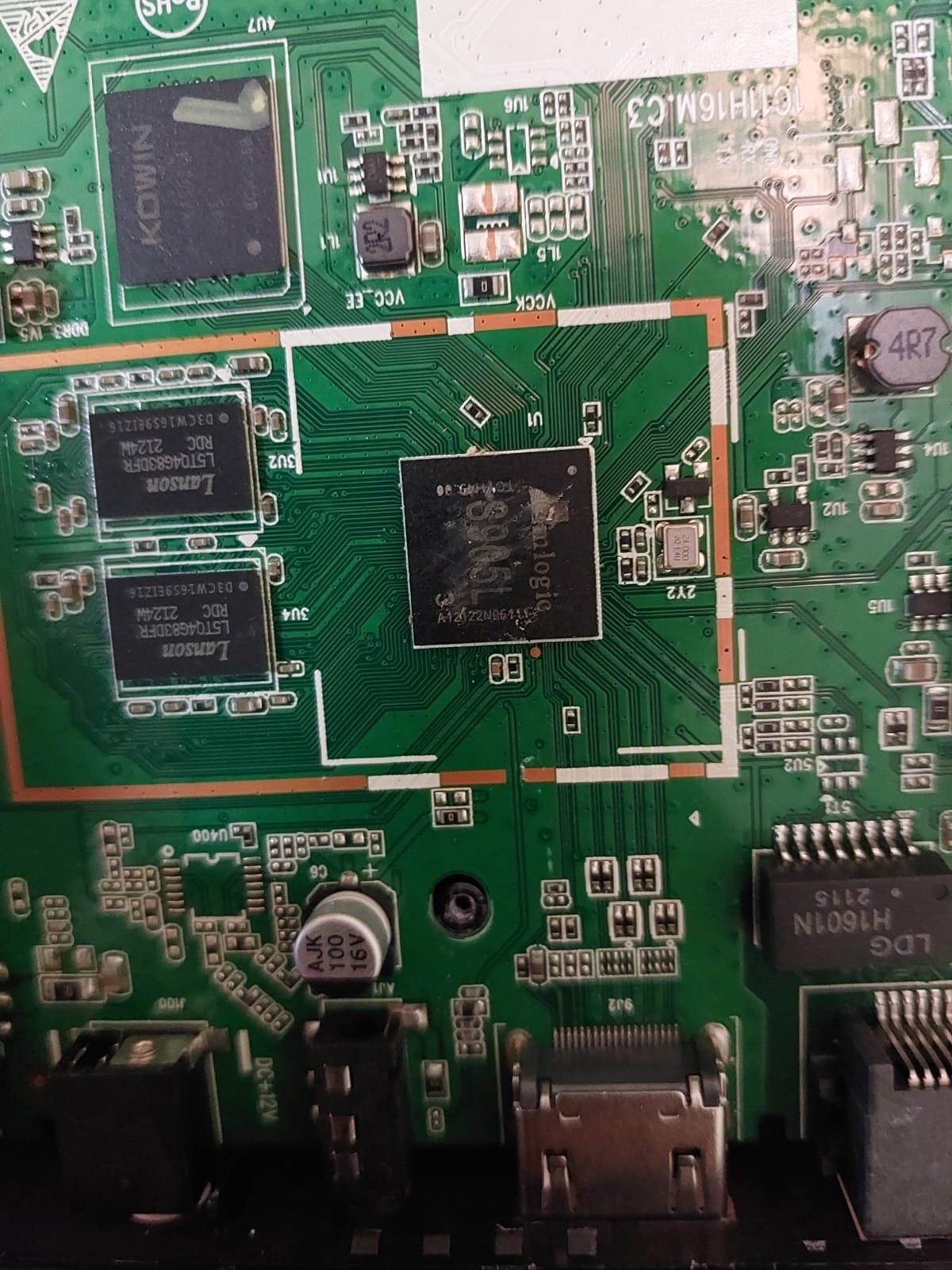
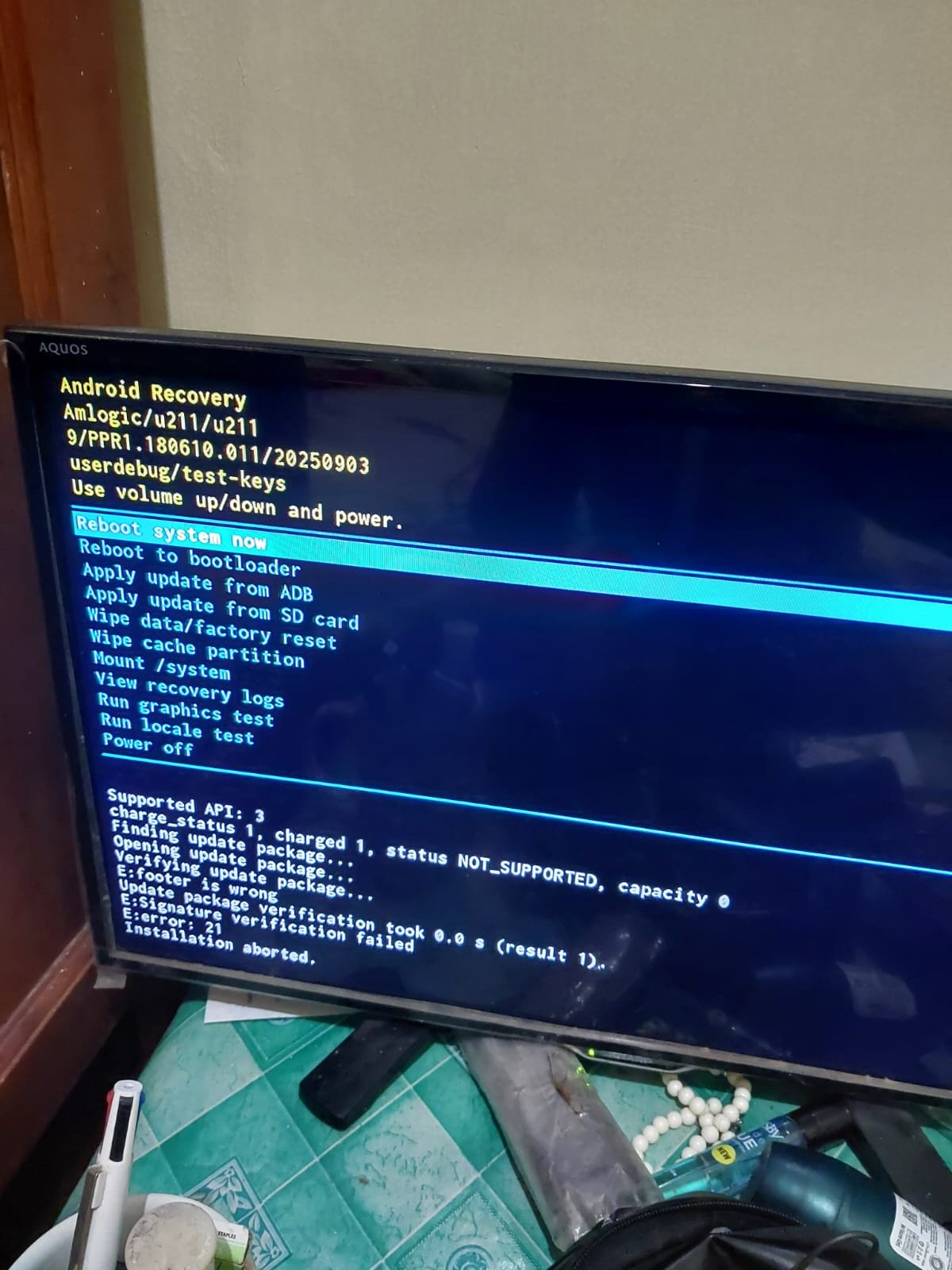
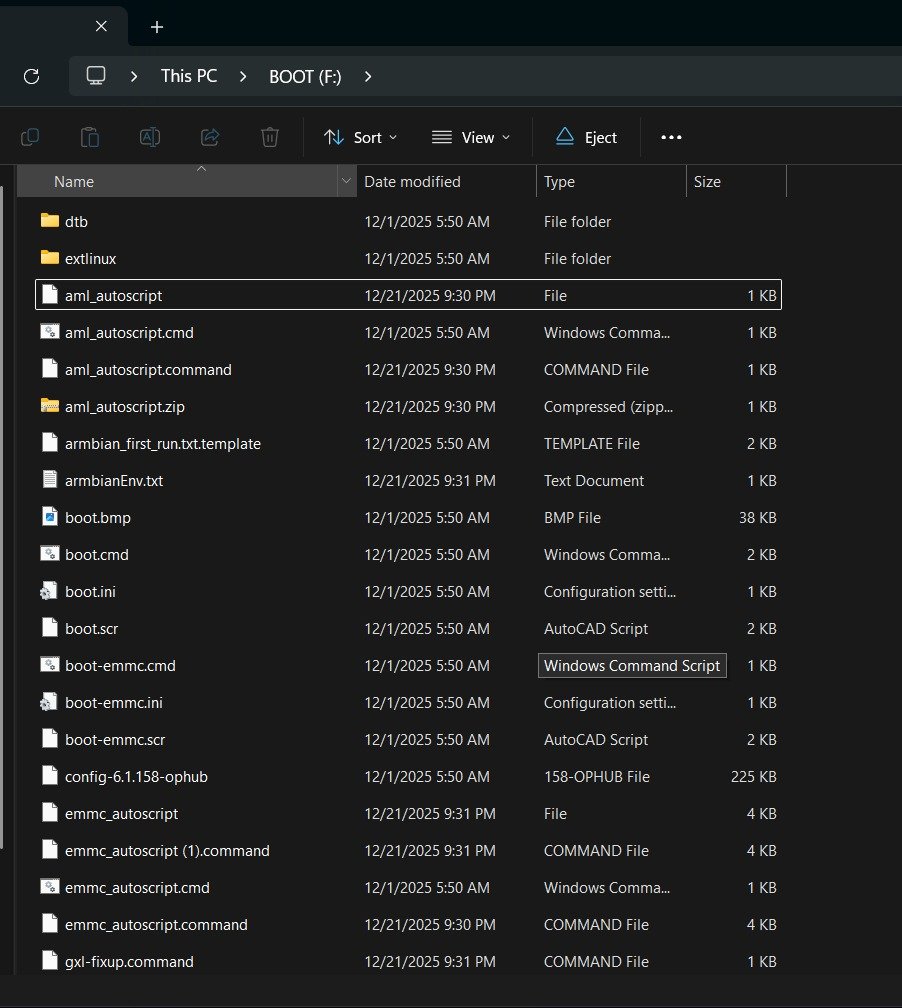
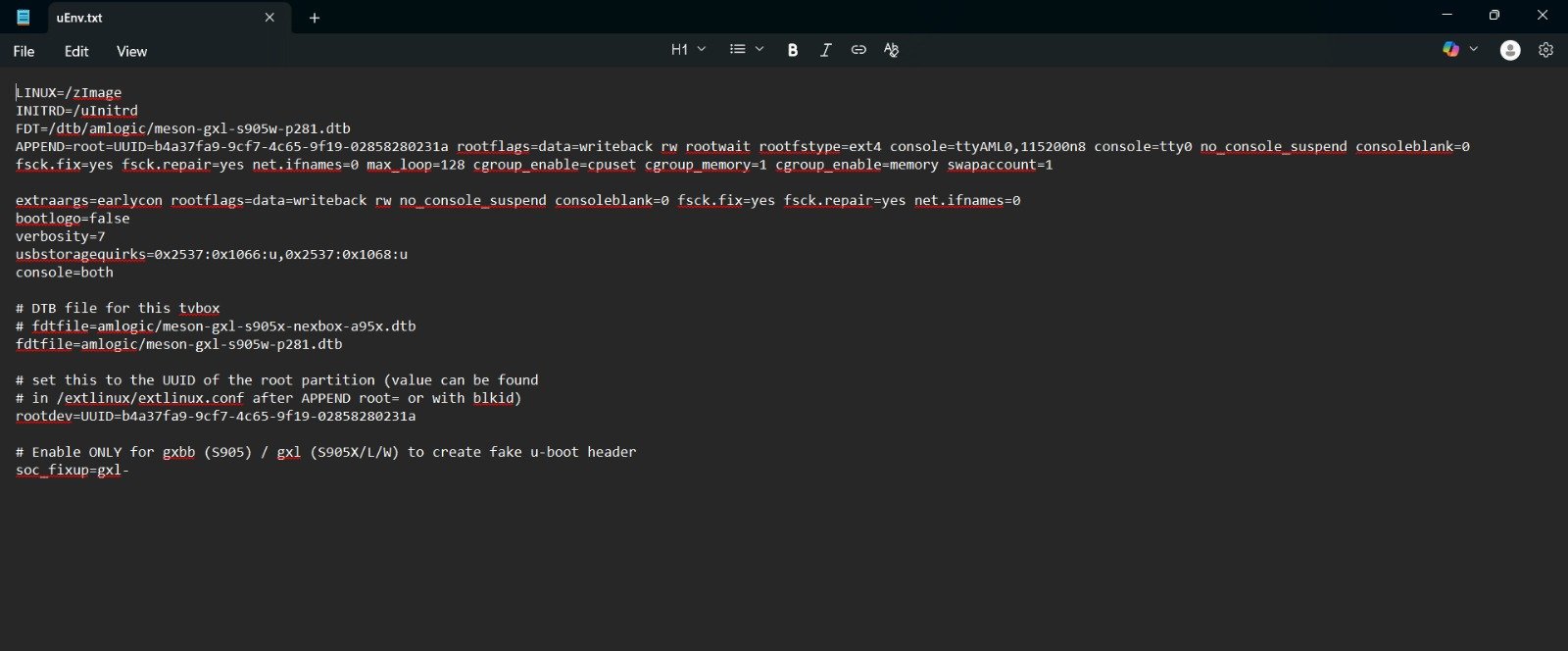
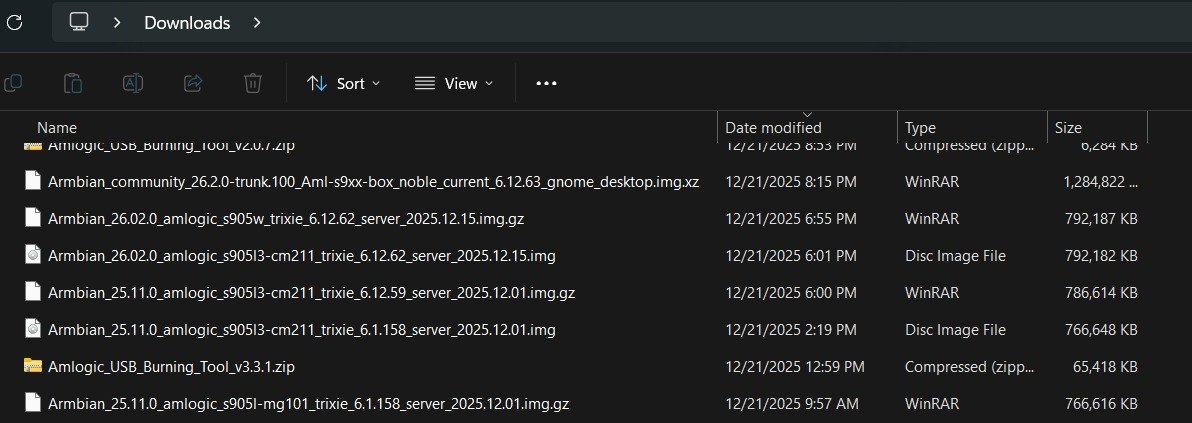
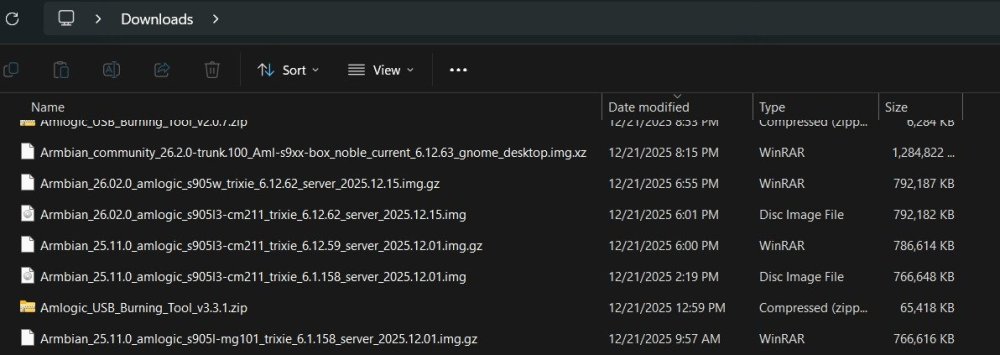
I had an error when installing armbian on my M96H androidtv S950L3. Anyone any idea to resolve this?
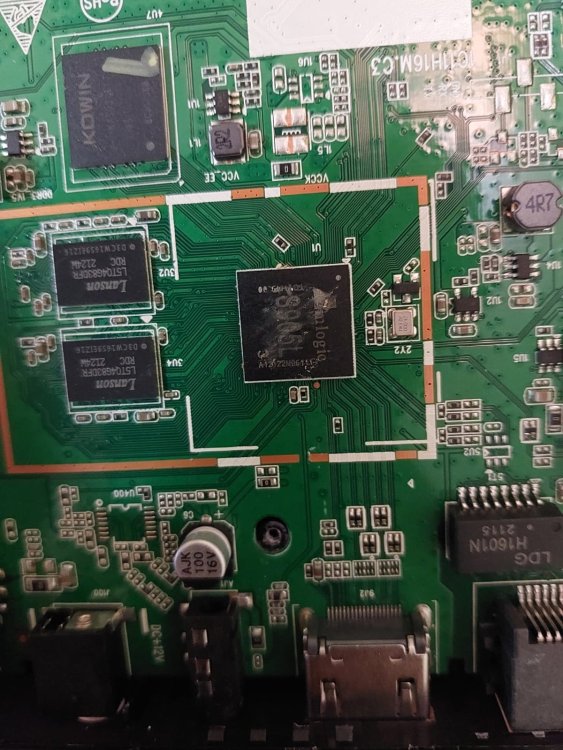
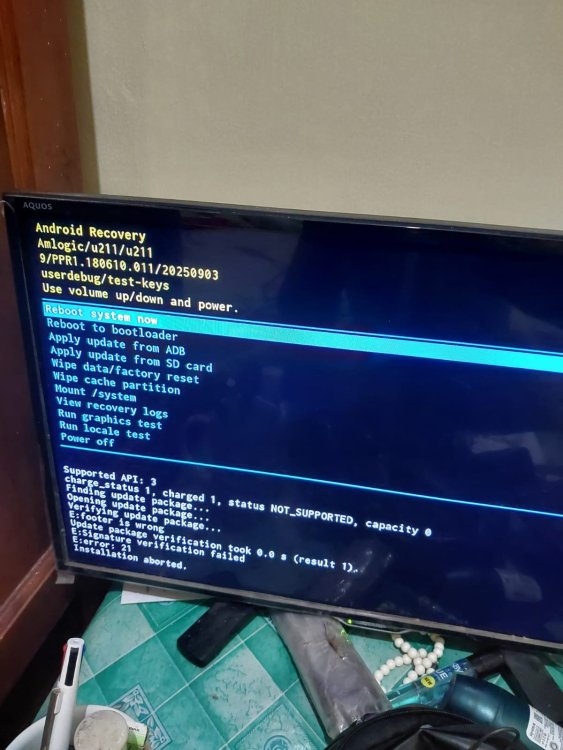
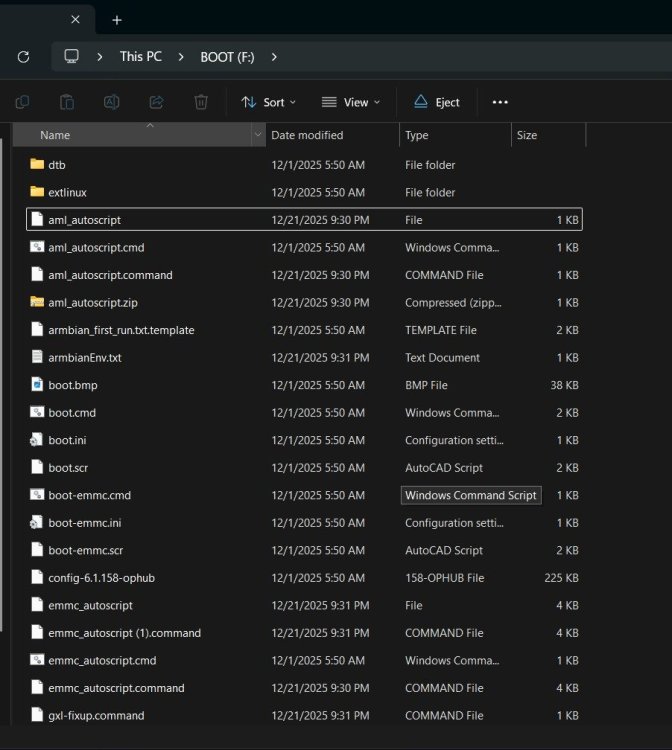
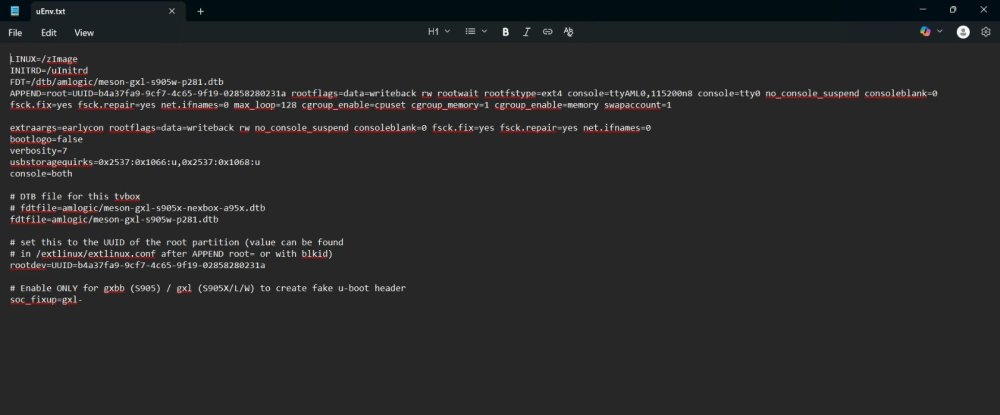
-
The holes are visible in the 4. Image of fedes_gl's first message. The holes are right to the display. The pins are connected to the AIP1628. This images are from the first layout version. I now have a second Board with V1.4 marked in the Layout. The holes are no longer present in this version. It has also has a different Wi-Fi chip, therefore Wi-Fi doesn't work in my current Armbian release with this v 1.4. box.
-
Hello! I've built my own sbc using the Allwinner H3 chip, and I'm looking to get a custom armbian image running on it. I've already successfully compiled an image by adding a new config to u-boot and armbian-build, and a device tree to the linux kernel. Now I'm looking to get the WiFi working, but I can't seem to find where I can change its pin definitions. I'm using the AP6212: the SDIO pins are connected to SDC1 (aka mmc1) like every other board, but the WL_REG_ON (aka WL-PMU-EN) and WL_HOST_WAKE (aka WL-WAKE-AP) pins are connected to GPIO pins different from all other boards, so I'll need to change their pin assignments in the kernel manually. But I can't find where are these pins defined! Do I need to change it via u-boot, the kernel, a module or some config file? Any pointers would be appreciated! Thanks in advance
-
bringing up a BIG 3d printer from square one on a bpi--m5 with a fairly new image. The pager requires 10 or more mouse clicks, starting with the _ . . . . . at the upper left corner of what I think is the default xfce4 screen. All the eye candy and mouse clicks to actually switch workspaces are very distracting when one is trying to configure klipper. Can all this be reduced to a single click on the dot representing that workspace in the micro-pager? The eye candy is impressive to visiting frogs, until its a PITA when actually doing work. We buy these things in 6 pack qty's to do work, and give you a small monthly support, but impressing the frogs is maybe .0000002% of the time spent as I don't invite the frogs in to see my printer farm very often.
-

Gaming experience with Orange Pi 5 (RK3588) on Armbian
KhanhDTP replied to KhanhDTP's topic in Orange Pi 5
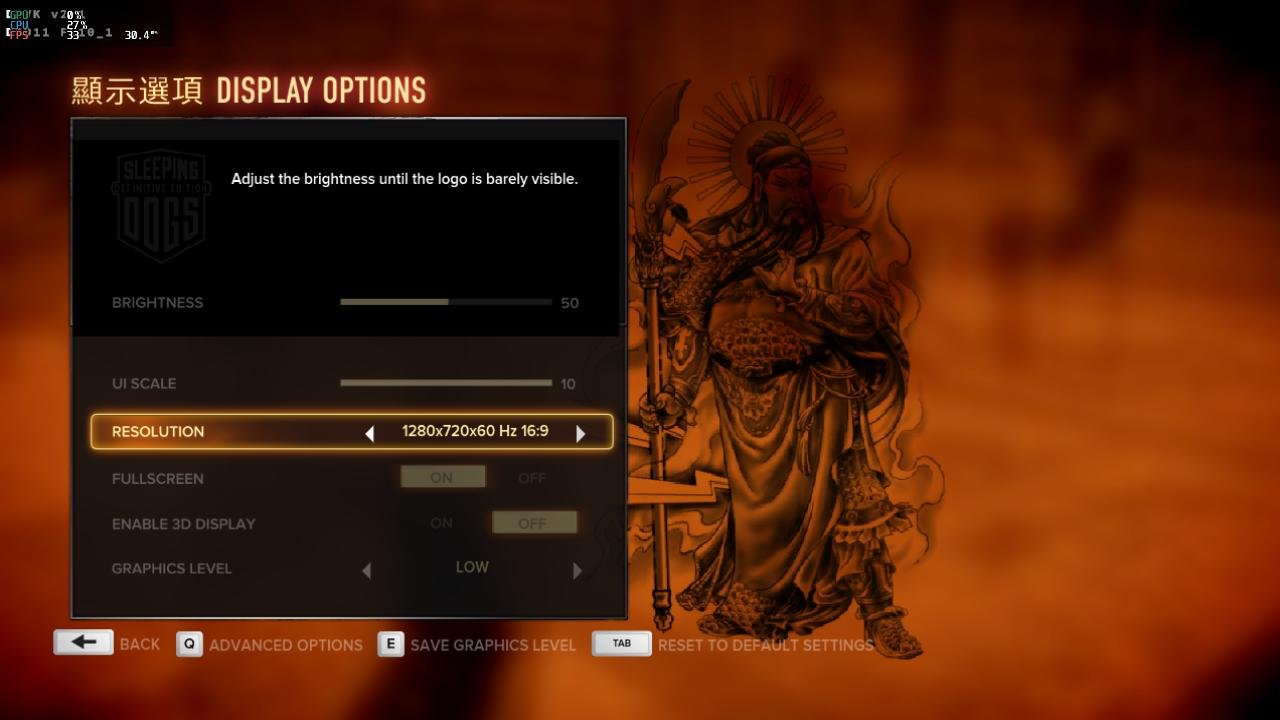
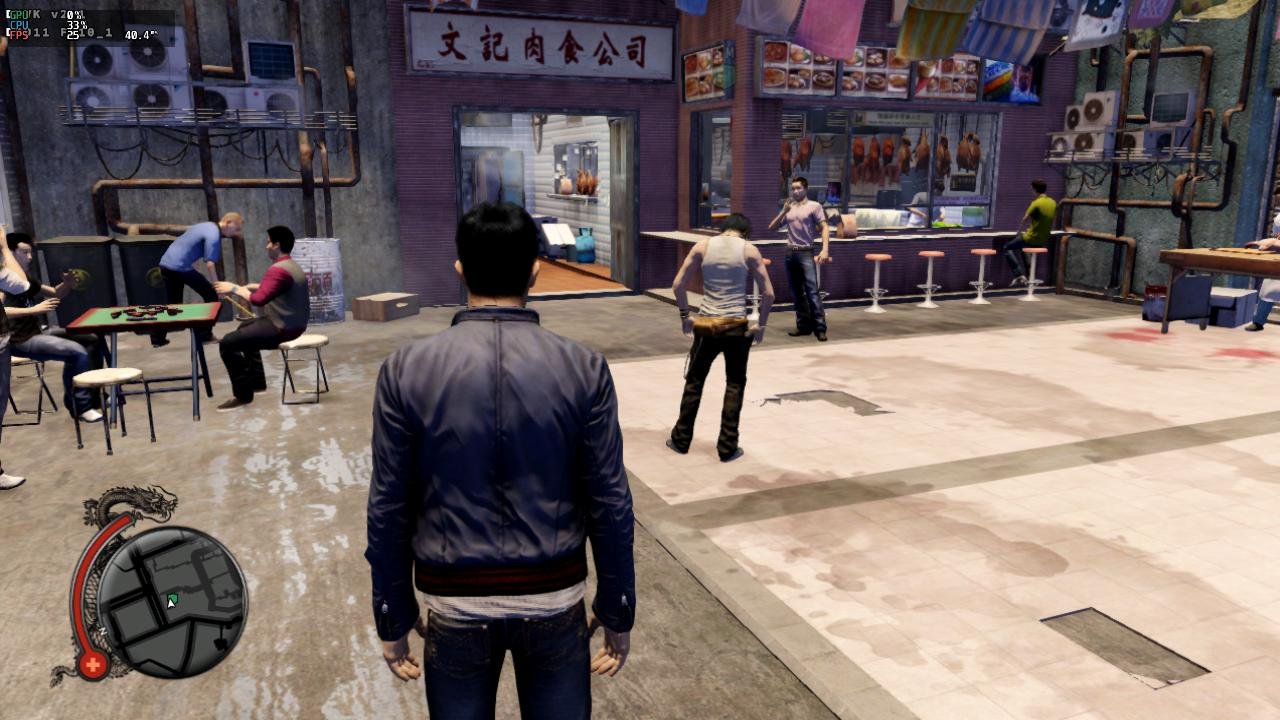
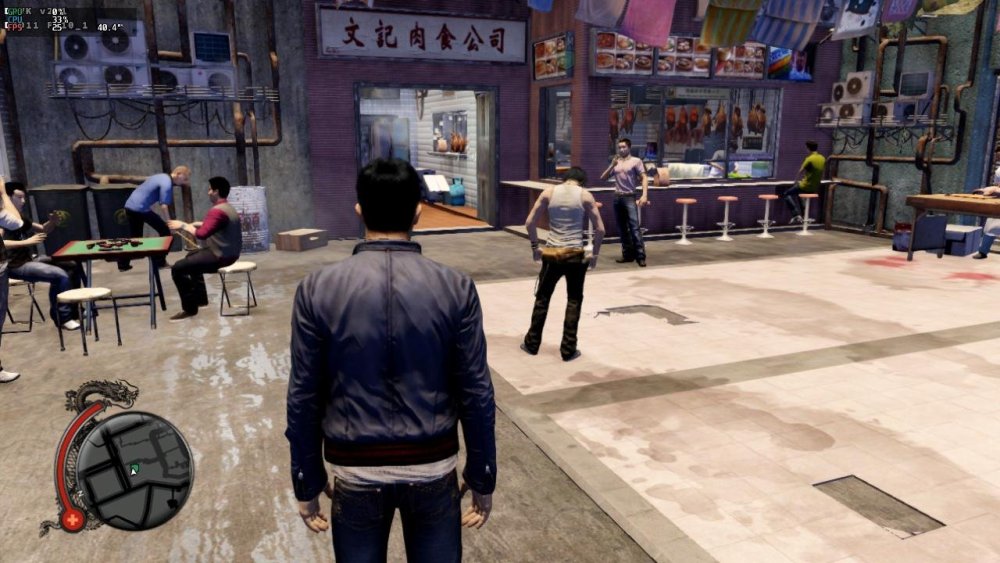
Armbian 25.11.2 Noble XFCE (BSD Kernel: 6.1.115) + PanVk - mesa 26.0 (https://launchpad.net/~ernstp/+archive/ubuntu/mesaaco) + box64 3.9 (https://ryanfortner.github.io/box64-debs/) + wine-10.14-staging-tkg-ntsync-amd64-wow64 (https://github.com/Kron4ek/Wine-Builds/releases/tag/10.14) + Dxvk 2.1 (stripped) ~24fps@720p Sleeping Dogs - Definitive Edition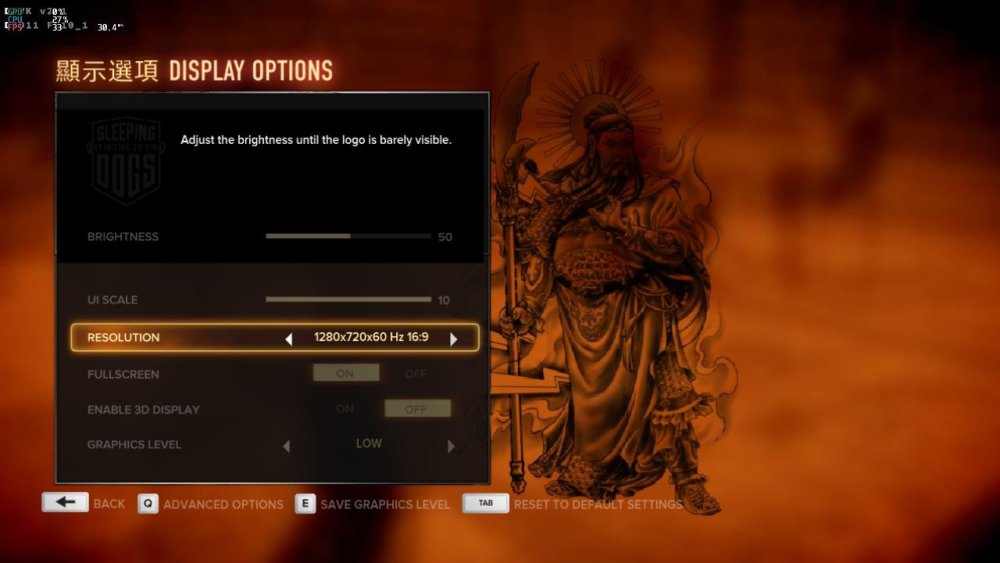
-

NanoPi NEO LEDs not working with Linux 5.15.25-sunxi (Armbian 22.02.1)
niw replied to Jake7's topic in Allwinner sunxi
I see the next specific inline comments in the Armbian patches for NenoPi Neo at https://github.com/armbian/build/blob/69e8482426c7da4482dae06edb838dfe8bfd9920/patch/kernel/archive/sunxi-6.12/patches.armbian/arm-dts-h3-nanopi-neo-Add-regulator-leds-mmc2.patch. + /* Warning: sunxi-5.18: + * The leds node is present in the sun8i-h3-nanopi.dtsi file + * You will have to fix this situation yourself + */ + leds { + compatible = "gpio-leds"; + Looks like Linux Kernel source itself has its own `/led/led-0` and `/led/led-1` now in https://github.com/torvalds/linux/blob/master/arch/arm/boot/dts/allwinner/sun8i-h3-nanopi.dtsi and it seems preventing patched `/led/pwr` and `/led/status` work. Now I added following Device Tree Overlay and both PWR and STAT leds works again as expected. /dts-v1/; /plugin/; / { compatible = "allwinner,sun8i-h3"; fragment@0 { target-path = "/leds/led-0"; __overlay__ { status = "disabled"; }; }; fragment@1 { target-path = "/leds/led-1"; __overlay__ { status = "disabled"; }; }; }; Create this file as like `fix-leds.dts` then run `sudo armbian-add-overlay fix-leds.dts` by following https://docs.armbian.com/User-Guide_Armbian_overlays/ then reboot the device now PWR LED on and STAT LED blinks. - Yesterday
-
@Nick A Nice, thanks a lot for the information. I 'll cherry pick the commit in your link and build a new image. I'll let you know if i'm sucessfull or not.
-
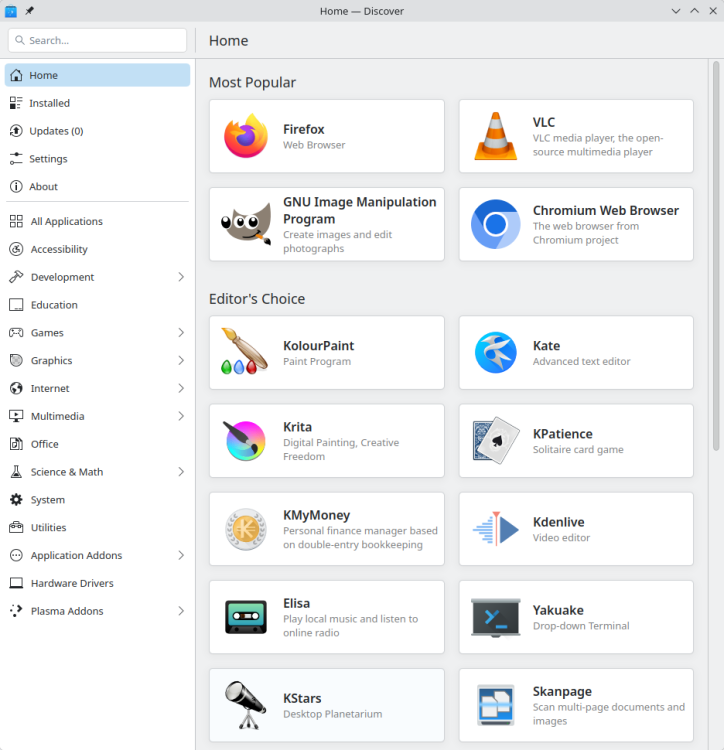
 Well, I can't complain about the up-to-dateness of my natively installed browser. Damn, everything is out of date again- It's urgently time for the latest updates for my distribution to become available.

-
Thanks. Found a post from @igor basically stating the same. I'll continue to work on the RV2 here for that reason.
-
 This became messy way too fast. I went down a rabbit hole that was the wrong one! The key issue here is that the current "noble" is Ubuntu based and thus is not Debian per say, especially with regards to "snaps". So whoever reads this thread from the O/P I would say the solution is to hope that at some point an Armbian "trixie" distro with desktop will be released, until then use the "bookworm" release if you are allergic to "snaps".
 -

Unisoc UWE5621DS on RK3566 device? calling Orange Pi experts
CY Liu replied to dieselnutjob's topic in Off-topic
Could you pls share howto? I'm working on S9053La, cannot find solution so far, thanks! -
I'll try building the image again today with a new git clone, without changing anything except the userpatchers configuration. If I don't add the module this way, it won't be enabled in the text menu. I'll report back on my progress later.I created an image without changing the boardconfig. I used the default configuration for userpatches, which is used for compilation. I added one line, CONFIG_DRM_PANEL_MIPI_DBI=m, and the image built successfully. Afterwards, I booted and checked the kernel module with the command modinfo panel-mipi-dbi; the module is enabled. I also checked the configuration in /boot/config(umane); the module is enabled there too. I added DTS with the command sudo armbian-add-overlay , and also added the binary from the Pancake repo. After rebooting, the result didn't change at all; the screen was white. The output of dmesg | grep spi shows the same as in the previous post. I'm not sure about the pinout. Could you send me your pinout? What awg wires are you using? I use a combination of 28awg for VCC, DC, and GND, and 32awg for the rest.
-
@kvvvp Build from branch v20251014 (kernel 6.17.2)
-
how to apply a patche for t527? i have updated Armbian now and ready to build a test image to share to everybody
-
 https://fi.mirror.armbian.de/oldarchive/ If its not there, its gone.
 - Last week
-
Hi, sudo systemctl stop media-nano-Z.mount it really works, but if you forget to do it manually, then when you try to reboot or turn off the single-board computer, it will freeze, because it tries to unmount the disk itself, apparently using umount. Okay, I did all this after upgrading to Armbian 26.2.0-trunk.86 trixie armv7l, and when I tried to unmount the drive the old way with umount, I found that everything worked. It looks like the problem is already fixed.
-

H2/H3: "old problem" Link (eth0) is Up/Down syndrom
eselarm replied to guidol's topic in Allwinner sunxi
This is based on mines, running Armbian Trixie: - NM can work without dhclient, it has it DHCP internally as well. So maybe look at that instead of AI with old info and certainly no clue about a specific SBC - modern kernel it is end0 - systemd-networkd is also an option - you also might use ifupdown still, also not needed, NM can do internally as well -
Maybe. If it is better you'll have to see. Install package 'linux-u-boot-rockpi-4c-edge' and with dpkg -L linux-u-boot-rockpi-4c-edge you can see where the u-boot binary is located, then: strings <u-boot binary> | grep armbian